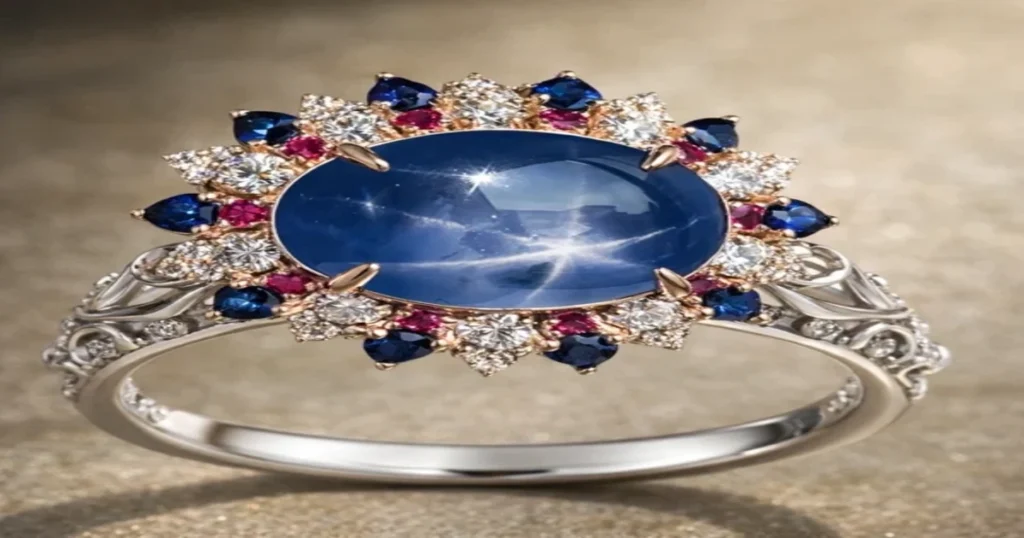
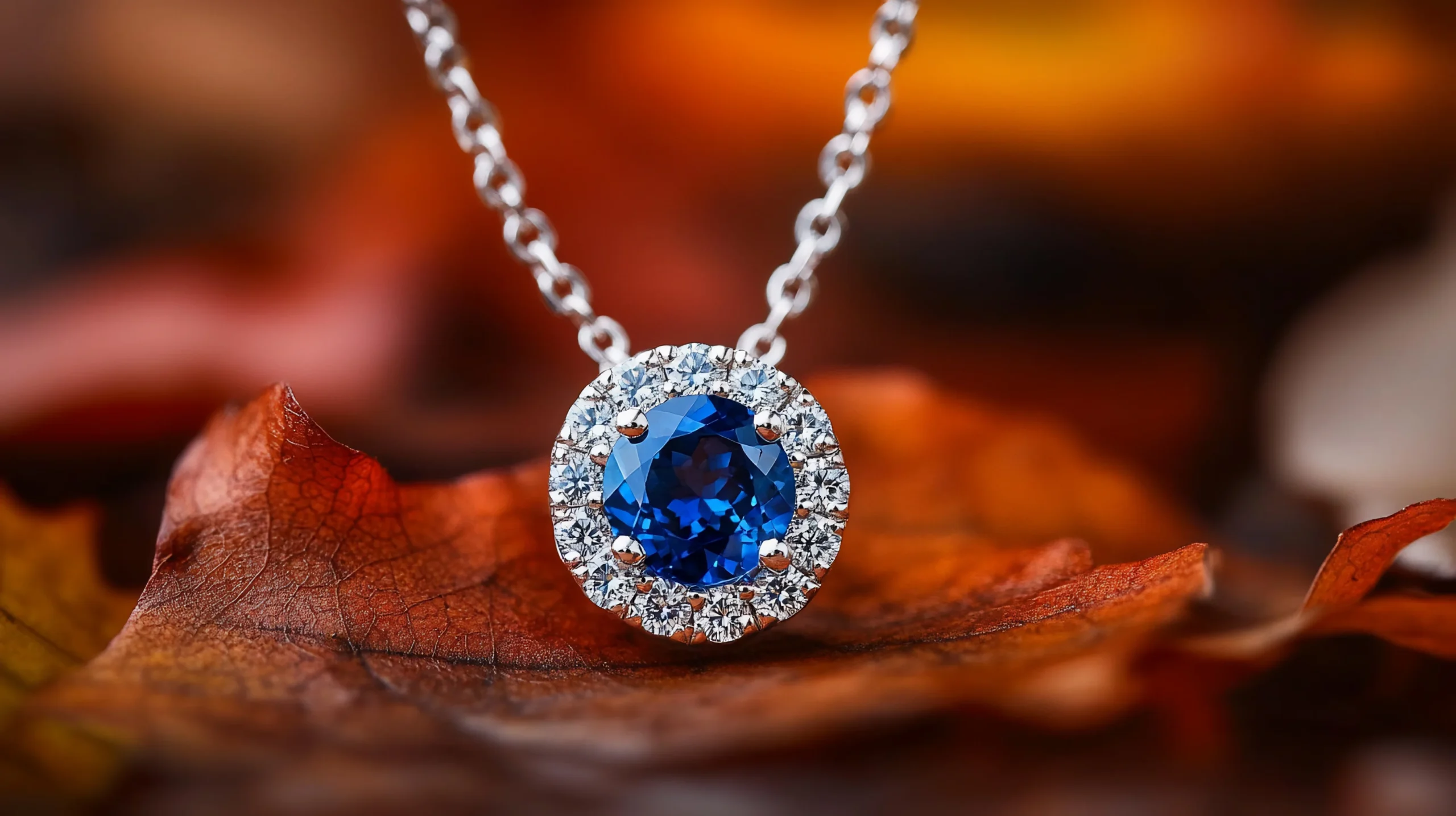
A fine, unheated Kashmir sapphire sold at Sotheby’s Geneva in 2024 for over $190,000 per carat — more than many D-flawless diamonds of equivalent weight. The reason wasn’t just color. It was two words on a Gübelin laboratory report: no indications of heating. According to the American Gem Trade Association (AGTA), heat treatment is applied to an estimated 95% of all sapphires on the market today, which means the 5% that carry no-heat certification occupy an entirely different tier of rarity, pricing, and long-term investment potential.
If you’re considering a sapphire for an engagement ring, a personal collection, or a long-term gemstone investment — and you’ve started to hear the phrase “no heat” without fully understanding what it means for value — this guide is written for you. You’ll learn exactly what separates unheated sapphires from their treated counterparts, why the price gap exists and continues to widen, how to read a laboratory report, and what GIA-certified no-heat sapphire documentation means in the US market today.
This isn’t a story about one being “better” in every scenario. It’s about making the most informed, confident decision for your specific purpose — whether that’s a stone you’ll wear every day or one you’ll pass down for generations.
What Does “No Heat” Actually Mean in Sapphire Grading?
An unheated sapphire is a corundum gemstone that has reached the market with its natural color and clarity entirely intact — no heat has been applied to alter or enhance its appearance. This is confirmed by gemological laboratories through microscopic and spectroscopic analysis. A “no indications of heating” notation on a GIA, Gübelin, or SSEF report is the industry’s gold standard for this determination.
Heat treatment in sapphires has been practiced commercially since the 1970s, when Thai gem processors discovered that exposing lower-color corundum to temperatures between 1,200°C and 1,800°C could dissolve silk inclusions, intensify blue saturation, and improve apparent clarity. The process is permanent, widespread, and entirely legal — it’s also fully disclosed by reputable dealers and laboratories.
What it changes, however, is the stone’s narrative. A sapphire that arrives at market with its color intact — born blue, born clear — has cleared a natural threshold that the vast majority cannot. The GIA (Gemological Institute of America) uses the notation “no indications of heat treatment” on its colored stone reports, while specialist labs like Gübelin (Switzerland) and SSEF (Swiss Gemmological Institute) are considered the most authoritative for origin and treatment determination in high-value sapphires.
For buyers in the United States, where natural sapphire treatment disclosure is governed by the FTC’s Guides for the Jewelry Industry, any seller offering a sapphire without disclosing known treatments is in violation of federal trade regulations. That legal context matters — and it’s why reputable dealers like DiamondsNColors make treatment status a central part of every colored stone conversation.
💎 DiamondsNColors Designer’s Note When a client asks us about sapphires, the first question we always ask back is: what do you want this stone to mean in twenty years? For heirloom-quality and investment pieces, we consistently recommend no-heat certified sapphires with laboratory documentation. The certificate isn’t paperwork — it’s the stone’s biography, and it protects your investment permanently. Explore our colored gemstone collection (link: /colors/) to see current no-heat inventory.
No Heat Sapphire Value: Why the Price Premium Is So Large
No heat sapphire value commands a premium of 2 to 5 times the price of a heated sapphire with otherwise comparable color, clarity, and carat weight. This premium reflects genuine rarity: the natural sapphire rough that achieves desirable color without enhancement represents a small fraction of total supply. As collector and investor demand grows, that premium continues to widen in the fine and ultra-fine categories.
Price transparency in the sapphire market has improved significantly through tools like GemVal, the Rapaport Report’s colored stone pricing indices, and auction house realized prices at Christie’s and Sotheby’s. These sources consistently show that the no-heat premium is not speculative — it is structural.
Here is a practical breakdown of how pricing diverges across quality tiers in the current US market:
| Attribute | Heated Sapphire | Unheated Sapphire |
|---|---|---|
| Price Per Carat (1–2ct, commercial) | $300–$800 | $800–$2,500 |
| Price Per Carat (2–5ct, fine) | $1,000–$4,000 | $3,500–$15,000+ |
| Price Per Carat (5ct+, collector) | $3,000–$8,000 | $15,000–$100,000+ |
| Laboratory Certification Required | Recommended | Essential |
| Resale Liquidity | Moderate | High (collector market) |
| Investment Horizon | 5–10 years | 10–25 years |
| Origin Premium (Kashmir/Burma) | Modest | Extreme |
| Treatment Disclosure (FTC) | Required if known | N/A — untreated |
The figures above are informed by Rapaport’s colored stone market reports and realized auction prices through 2024–2025. Kashmir-origin unheated sapphires — considered the world’s finest by most gem authorities — have appreciated at a compound rate that outpaces many traditional investment assets over the past two decades, according to data tracked by the Fancy Color Research Foundation (FCRF).
GIA Certified No Heat Sapphire: How to Read a Laboratory Report
A GIA certified no heat sapphire carries a colored stone report that explicitly states “no indications of heat treatment” under the “Additional Information” section. This notation is the result of laboratory gemologists examining the stone’s inclusions, surface features, and spectroscopic signature — each of which changes in detectable ways when heat has been applied. Without this specific language, assume the stone has been treated.
The GIA Colored Stone Report covers four primary attributes: color grade (described using hue, tone, and saturation), clarity grade, cut grade, and a comments field where treatment status is noted. For sapphires with values above approximately $5,000 per carat, many sophisticated buyers — and most auction houses — prefer reports from Gübelin or SSEF in addition to GIA, as these Swiss laboratories have unmatched expertise in sapphire origin determination, which compounds the no-heat premium for Kashmir, Burma (Myanmar), and Ceylon (Sri Lanka) origins.
What to Look For on the Report
Three things matter most when reviewing a no-heat sapphire certificate:
- Treatment field: Must read “no indications of heat treatment” — not “minor” or “low degree”
- Origin field: Kashmir, Burma, and Ceylon origins add significant value; Madagascar and Tanzania origins are still excellent but priced lower
- Color description: The richest unheated blues are described as “vivid” or “strong” blue with a violet secondary hue — sometimes called “royal blue” or “cornflower blue” informally, though these terms are not standardized
At DiamondsNColors, our gemstone education resources (link: /gem-guide/) walk through how to interpret laboratory reports for every major colored stone — a resource our consultants also walk through with clients in person at our Las Vegas showroom.
Unheated Sapphire Investment USA: What Buyers Need to Know in 2026
Unheated sapphire investment in the USA is growing as collectors and wealth advisors recognize fine colored gemstones as tangible assets with limited supply and rising demand. The most investment-grade specimens are GIA or Gübelin certified, weigh 2 carats or more, originate from Kashmir, Burma, or Ceylon, and show vivid color with no indications of heat treatment. Liquidity is best maintained through documentation and established auction channels.
The US fine jewelry market reached $74 billion in retail sales in 2023, according to Jewelers of America, with colored gemstone demand accelerating meaningfully as buyers seek alternatives to traditional diamond-centric purchases. Among serious collectors, sapphires — particularly unheated specimens from the classic origins — have become one of the most actively discussed asset classes in fine gemstone investing.
Key Factors That Determine Investment Grade
For buyers approaching sapphires as investments rather than purely as wearable jewelry, gemologists and auction specialists consistently identify five deciding factors:
- Laboratory certification — Non-negotiable. Gübelin + SSEF dual certification is preferred for high-value stones
- Origin — Kashmir commands the highest premiums globally; Burma and Ceylon follow
- Color — Vivid to strong blue with moderate to moderately strong violet secondary hue
- Treatment status — “No indications of heating” is the hard requirement
- Carat weight — Stones above 3 carats in fine quality are exponentially rarer than smaller specimens
Las Vegas buyers — including investors attending JCK Las Vegas, the world’s largest annual jewelry trade event — have access to a uniquely concentrated fine gemstone market. DiamondsNColors’ custom order studio (link: /custom-order/) works directly with collectors seeking to source, certify, and set investment-grade sapphires in bespoke commissions.
Natural Sapphire Treatment Disclosure: Your Rights as a US Buyer
Natural sapphire treatment disclosure is legally required in the United States under the FTC’s Guides for the Jewelry Industry. Any seller who knows — or reasonably should know — that a sapphire has been heat-treated must disclose this before the sale. Failure to do so constitutes deceptive trade practice. As a buyer, you have the right to ask for written treatment disclosure and a laboratory report before completing any significant gemstone purchase.
The FTC’s guidelines apply to all jewelers operating in the US, whether brick-and-mortar or online. In practice, the quality of disclosure varies significantly in the marketplace — which is why third-party laboratory certification is the buyer’s most reliable protection.
When purchasing a sapphire described as “natural” or “untreated,” best practice is to request:
- A current (ideally issued within 5 years) laboratory report from GIA, Gübelin, SSEF, or AGL (American Gemological Laboratories)
- Written confirmation of treatment status in the purchase receipt or invoice
- Provenance information where available, particularly for high-value Kashmir or Burma origin stones
Heated vs. Unheated Sapphires for Engagement Rings: Making the Right Call
For engagement rings, choosing between a heated and unheated sapphire depends on your priorities. If enduring wearability and maximum visual impact within a set budget matter most, a fine heated sapphire is an entirely excellent choice. If long-term rarity, investment potential, and the idea that your stone has never been altered resonate with your values, an unheated sapphire offers something fundamentally different — and worth the premium.
Sapphire is one of the most durable gemstones in existence, ranking 9 on the Mohs hardness scale — second only to diamond. Heat treatment has no effect on this hardness or on the stone’s long-term wearability. The difference is entirely in origin integrity, market positioning, and collector value.
For couples designing engagement rings in Las Vegas and across the US, the emotional dimension often proves decisive. Many buyers who begin the process focused on budget ultimately find themselves drawn to unheated stones once they understand what “no indications of heating” represents — a sapphire that earned its beauty entirely on its own.
DiamondsNColors’ engagement and bridal collection (link: /engagement-and-bridal/) includes sapphire engagement ring designs in a range of settings. Our design team can create a completely bespoke setting for any certified sapphire, whether you bring the stone or source it through us.
A Quick Buyer’s Checklist for Sapphire Engagement Rings
| Question to Ask | Why It Matters |
|---|---|
| Does this sapphire have a laboratory report? | Confirms treatment status and quality |
| What is the treatment status? | Directly affects value and pricing |
| What is the origin? | Kashmir/Burma/Ceylon add premium |
| What is the carat weight and color grade? | Determines tier and pricing |
| Is this FTC-compliant disclosure in writing? | Legal protection for your purchase |
| Can I see the stone in natural and artificial light? | Color behavior varies significantly |
| Does the setting protect the girdle and culet? | Sapphire is durable but not indestructible |
What Las Vegas Sapphire Buyers Are Choosing in 2026
Las Vegas sapphire buyers in 2026 are increasingly requesting no-heat certified stones for both engagement rings and investment-grade personal collections. Driven by greater gemological literacy, growing access to online auction price data, and the influence of the JCK Las Vegas trade show, Southern Nevada buyers are entering consultations more informed — and more willing to invest in certified, unheated specimens than at any point in the past decade.
The Las Vegas fine jewelry market benefits from a unique position: a cosmopolitan buyer base, proximity to the JCK trade show, and a culture of confident, luxury-oriented purchasing. At DiamondsNColors, our Las Vegas showroom at 8965 S. Eastern Ave. (link: /contact-us/) sees a growing proportion of clients who specifically research no heat sapphire value before they arrive — and arrive ready to compare certified stones side by side.
For destination wedding clients and out-of-state buyers, our national online platform at diamondsncolors.com provides the same consultative experience remotely — including virtual gemstone viewings and documentation reviews — making certified sapphire sourcing accessible well beyond Southern Nevada.
Conclusion
The decision between a heated and unheated sapphire is really a question of what you want your gemstone to represent — both now and decades from now. For collectors and investors, the choice is clear: no heat sapphire value is supported by rarity, laboratory certification, auction history, and a collector market that continues to deepen. For couples building a meaningful engagement ring on a defined budget, a fine heated sapphire is a beautiful, durable, and entirely worthy choice — provided it comes with full treatment disclosure and proper certification.
Your key takeaways:
- Always request a GIA, Gübelin, or SSEF laboratory report confirming treatment status before purchasing
- Unheated sapphires from Kashmir, Burma, or Ceylon represent the highest tier of value and collectibility
- FTC rules require treatment disclosure — you have legal rights as a US buyer
- The no-heat premium is structural, not speculative — and it compounds over time for fine specimens
Related posts you may enjoy:
- Kashmir vs. Ceylon vs. Montana: A Sapphire Origin Guide for USA Buyers
- How to Read a GIA Colored Stone Report: A Buyer’s Visual Guide
FAQs
What is the no-heat sapphire value compared to a treated stone?
No heat sapphire value typically runs 2 to 5 times higher than a heated sapphire of comparable color, clarity, and carat weight. The premium reflects genuine rarity — fewer than 5% of sapphires on the market are unheated, according to AGTA estimates. For fine and collector-grade stones, the premium is even more pronounced, particularly for Kashmir, Burma, and Ceylon origins.
How can I tell if a sapphire is unheated?
The only reliable way to confirm a sapphire is unheated is through a laboratory report from GIA, Gübelin, SSEF, or AGL. These labs use microscopic analysis and spectroscopy to detect heat-related changes to inclusions and crystal structure. Look specifically for the phrase “no indications of heat treatment” on the report — any other language indicates the stone has been treated or the status is inconclusive.
Is a GIA-certified no-heat sapphire worth the extra cost?
For purchases above $3,000 to $5,000, a GIA-certified no-heat sapphire report is essential — both for valuation accuracy and resale protection. Without certification, you cannot verify treatment status independently, and the stone’s premium cannot be substantiated in resale or insurance contexts. The cost of certification is minor relative to the value it confirms and protects.
What is the best sapphire origin for investment in the USA?
Kashmir-origin unheated sapphires consistently achieve the highest per-carat prices at international auction and in the US collector market, followed by Burma (Myanmar) and Ceylon (Sri Lanka). These origins carry a premium even over equally beautiful sapphires from Madagascar or Tanzania because of their documented rarity, historical significance, and consistent demand from major auction houses, including Sotheby’s and Christie’s.
Does heat treatment affect sapphire durability or wearability?
No — heat treatment has no effect on a sapphire’s hardness or structural durability. Sapphire ranks 9 on the Mohs scale regardless of treatment status, making it one of the most wearable gemstones for daily use, including engagement rings. The difference between heated and unheated stones is entirely about origin integrity, rarity, market value, and investment positioning — not physical performance.
Are sapphire sellers in the USA legally required to disclose heat treatment?
Yes. Under the FTC’s Guides for the Jewelry Industry, US sellers who know — or reasonably should know — that a sapphire has been heat-treated are legally required to disclose this before the sale. Unheated sapphire investment in the USA is protected by this framework, but buyers should always request written disclosure and a current laboratory report as independent confirmation of treatment status.