Jewelry colors are more than just an aesthetic choice—they’re integral to creating personal connections and expressing individuality. At Diamonds n Colors, we understand that the shades in jewelry convey not just visual appeal but also deeper meanings and emotions. With a strong focus on personalization, sustainability, and craftsmanship, jewelry hues have evolved into more than just design elements; they are a way to tell a story.

Diamond Colors & Colored Gemstone Jewelry — Complete Buyer's Guide
Color is the soul of a gemstone. Whether you are drawn to the icy fire of a colorless diamond, the electric blue of a sapphire, or the rare warmth of a fancy yellow diamond, understanding how diamond and gemstone colors work — and what they mean for beauty, rarity, and value — is the single most important step in making a confident jewelry purchase. At Diamonds N Colors in Las Vegas, we have spent more than 30 years helping clients navigate this world of color, matching the right stone to the right person for the right moment.
This guide covers everything: the GIA diamond color grading scale, fancy color diamond intensity grades, which colors are rarest, how color affects price, and how to choose between dazzling natural gemstone alternatives. Whether you are shopping for an engagement ring, a meaningful gift, or a collector-grade investment piece, this is the resource you need.
The GIA Diamond Color Scale: D to Z Explained
The Gemological Institute of America (GIA) created the universally accepted diamond color grading system used by jewelers, appraisers, and laboratories worldwide. The scale runs from D (completely colorless) to Z (light yellow or brown), and every step in that range has a measurable impact on a diamond’s appearance and market value.
Colorless: D, E, F
D, E, and F grade diamonds are the pinnacle of the colorless category. To the naked eye, all three appear perfectly white and transparent. The differences between them are perceptible only to trained graders using master comparison stones under controlled lighting. D is the rarest and most expensive; F represents outstanding value within the colorless tier. If budget allows and colorless purity matters to you, F is often the smart choice for the best combination of appearance and value.
Near-Colorless: G, H, I, J
Near-colorless grades represent the most popular segment of the market for engagement rings and fine jewelry. A G or H diamond appears virtually identical to a D–F stone when set in white gold or platinum, yet costs significantly less. I and J grades may show a very faint warmth when viewed face-down against a white background, but in a ring setting — especially yellow gold — they look beautiful and lively. The near-colorless range offers exceptional value for buyers who prioritize size or cut quality.
Faint to Light Color: K through Z
Diamonds in the K–Z range carry increasing amounts of yellow or brown body color that becomes visible to most observers face-up. While K–M diamonds can still be stunning in yellow or rose gold settings where the warmth is complementary rather than contrasting, grades beyond N are generally avoided in fine jewelry. The notable exception: when yellow color is intense enough to cross into ‘Fancy’ territory, the stone is no longer graded on the D–Z scale at all — it becomes a fancy color diamond, which is an entirely different and often far more valuable category.
Fancy Color Diamonds: The GIA Intensity Scale
When a diamond’s color is strong enough and distinctive enough to be considered a desirable attribute rather than a deficiency, GIA grades it as a fancy color diamond. These stones — yellow, pink, blue, green, orange, red, violet, gray, and brown — are graded on a completely separate intensity scale that measures saturation and tone rather than absence of color.
The Fancy Color Intensity Grades
From weakest to strongest saturation, GIA recognizes nine intensity levels for fancy color diamonds:
- Faint — trace color, transitional between Z and true fancy
- Very Light — soft, delicate color visible face-up
- Light — clearly visible color, subtle and refined
- Fancy Light — pronounced color with good brightness
- Fancy — the benchmark grade; vivid, pure hue, high demand
- Fancy Intense — deeper saturation, rich and vibrant appearance
- Fancy Vivid — the most saturated, brightest, most valuable grade
- Fancy Deep — strong color with darker tone
- Fancy Dark — saturated but dark, with lower brilliance
Fancy Vivid is the top-tier grade. A Fancy Vivid yellow diamond, for example, commands premiums far above a Fancy grade of identical carat weight, cut, and clarity. Among all fancy colors, Fancy Vivid Pink and Fancy Vivid Blue are among the most expensive gemstones on the planet.
What Causes Diamond Color? The Science Behind Fancy Colors
Every diamond color has a different geological origin. Understanding why a stone is colored adds depth to the appreciation of its rarity:
Yellow Diamonds
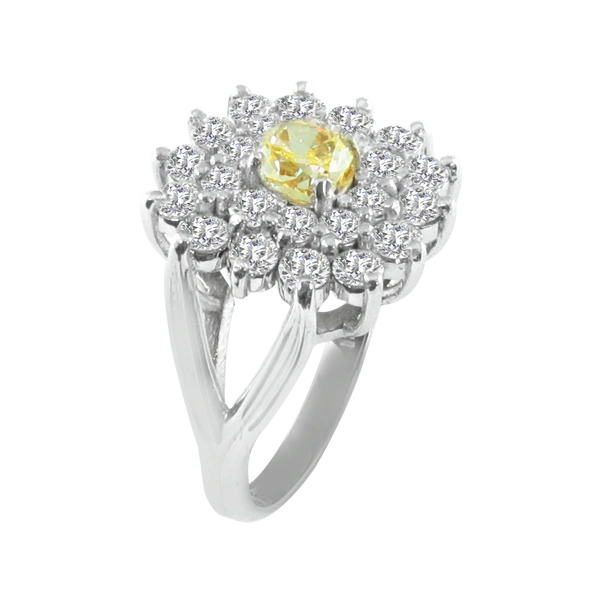
Yellow diamonds get their color from nitrogen atoms trapped within the crystal lattice during formation deep in the Earth. Nitrogen absorbs blue light, leaving the stone with a warm yellow appearance. Yellow is the most commonly occurring fancy diamond color, making it the most accessible entry point into the fancy color category — but top Fancy Vivid Yellows are still extraordinary and valuable.
Pink and Red Diamonds
The cause of pink color in diamonds is still debated among gemologists. The leading theory points to plastic deformation of the crystal structure during its ascent to the surface — distortions in the lattice that selectively absorb green light and produce pink or red body color. Red diamonds are the rarest of all fancy colors; fewer than 30 true Fancy Red diamonds are known to exist. Pink diamonds gained global fame through Australia’s Argyle mine, which closed in 2020. Post-Argyle pink diamonds have become investment-grade collectibles.
Blue Diamonds
Blue diamonds are colored by the presence of boron in the crystal structure. Boron absorbs red, orange, and yellow light, giving the stone its distinctive blue hue. Natural blue diamonds are exceedingly rare and include some of history’s most celebrated gems — the Hope Diamond being the most famous example. Blue diamond prices increase steeply with saturation; a Fancy Vivid Blue of even 1 carat can sell for millions at auction.
Green Diamonds
Natural green color in diamonds is caused by exposure to natural radiation over millions of years. This radiation displaces carbon atoms from their lattice positions, creating color centers that absorb red light. Green diamonds are extremely rare in saturated grades; most natural greens are light or grayish-green. The Dresden Green is the world’s most famous natural green diamond.
Orange, Brown, and Gray Diamonds
Orange diamonds combine structural deformation and nitrogen into a rare, fiery hue that commands high premiums. Brown (or ‘champagne’) diamonds are the most abundant fancy color, caused by structural defects, and are popular for their warm, earthy tones. Gray diamonds, influenced by hydrogen and boron, have become fashionable in modern fine jewelry for their unique, understated elegance.
Diamond Color Rarity and Value: Which Color Is Most Expensive?
Not all fancy color diamonds are created equal when it comes to rarity and market value. Here is a general hierarchy from most to least rare:
- Red — Rarest of all; museum and auction pieces only
- Blue (Fancy Vivid) — Extremely rare; highest per-carat auction prices globally
- Pink (Fancy Vivid) — Elevated post-Argyle mine closure; investment-grade collectibles
- Green (Fancy Vivid) — Rarely seen in pure, saturated form
- Orange (Fancy Vivid) — Scarce; fewer fine-quality stones come to market
- Yellow (Fancy Vivid) — Most accessible fancy color with the largest supply
- Brown / Champagne — Most abundant; excellent value for buyers seeking warm tones
For colorless diamonds, each step up the D–Z scale represents a measurable price increase — typically 5–15% per grade at the higher end. A D-color, Internally Flawless diamond can sell for several times more than an equivalent I-color stone of identical carat and cut.
Colored Gemstone Jewelry: Beyond Diamonds
While fancy color diamonds capture headlines, the world of colored gemstone jewelry offers breathtaking beauty at every price point. At Diamonds N Colors, our colored gemstone collection includes natural rubies, sapphires, emeralds, and loose stones — each selected for exceptional color quality and certified where applicable.
Sapphire — The Classic Blue
Sapphire is the quintessential blue gemstone — and blue is just the beginning. Sapphires naturally occur in pink, yellow, orange (Padparadscha), purple, green, and colorless varieties. The finest blue sapphires display a pure, vivid ‘cornflower blue’ or the deep, velvety ‘royal blue’ of Kashmir and Burma origin. Sapphires rate 9 on the Mohs hardness scale, making them the second-hardest natural gemstone after diamond and an ideal choice for engagement rings worn daily.
Ruby — The King of Colored Stones
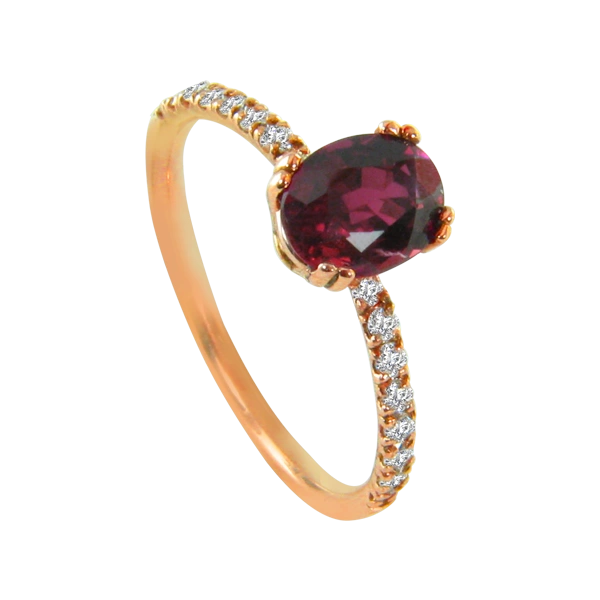
Ruby and sapphire are both varieties of the mineral corundum, with ruby’s red color caused by chromium. The most prized rubies display a pure red to slightly purplish-red known as ‘pigeon’s blood’ — a term originally associated with Burma (Myanmar) origin stones. Fine, unheated rubies above 3 carats are rarer and more valuable per carat than diamonds of equivalent quality. Our ruby collection includes GIA-certified no-heat stones, the highest standard in the market.
Emerald — Nature’s Green Treasure
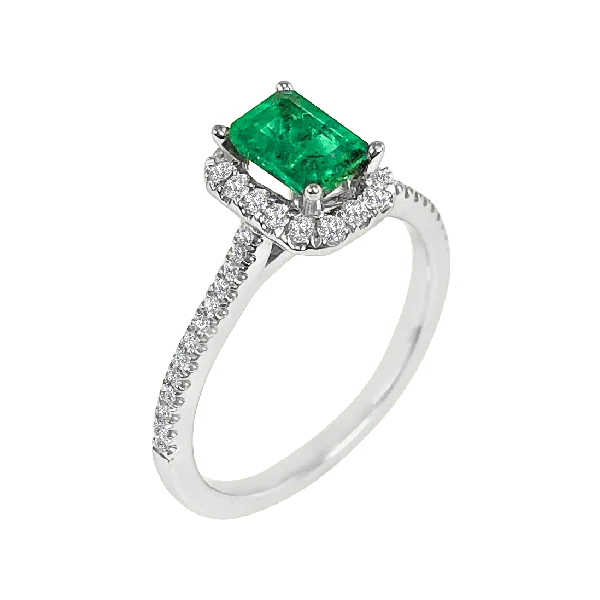
Emeralds are colored by chromium and vanadium, giving them their iconic deep green. Unlike diamonds, most fine emeralds naturally contain inclusions called ‘jardin’ (the French word for garden) — and in the emerald world, this is expected and accepted. The finest stones come from Colombia, Zambia, and Brazil. Emeralds are softer than diamonds and rubies (7.5–8 Mohs), so they benefit from protective settings and mindful care.
How to Choose a Diamond Color for Your Engagement Ring
The ‘right’ diamond color is the one that looks best in the context of your chosen setting, metal, and budget. Here are the expert guidelines our Las Vegas jewelers use with clients every day:
White Gold and Platinum Settings
In white metal settings, the metal’s cool color amplifies any yellow tint in the diamond. We recommend D–H color grades for platinum and white gold solitaires and halos. G–H represent the sweet spot — virtually colorless in the ring but significantly more affordable than D–F.
Yellow and Rose Gold Settings
Warm metal tones actually complement and neutralize slight diamond warmth. In yellow gold, an I–J color diamond looks just as white as a G in platinum — which means you can allocate budget toward a better cut or larger carat weight without sacrificing appearance. Rose gold has a similar masking effect and pairs especially beautifully with near-colorless or champagne stones.
Choosing a Fancy Color Center Stone
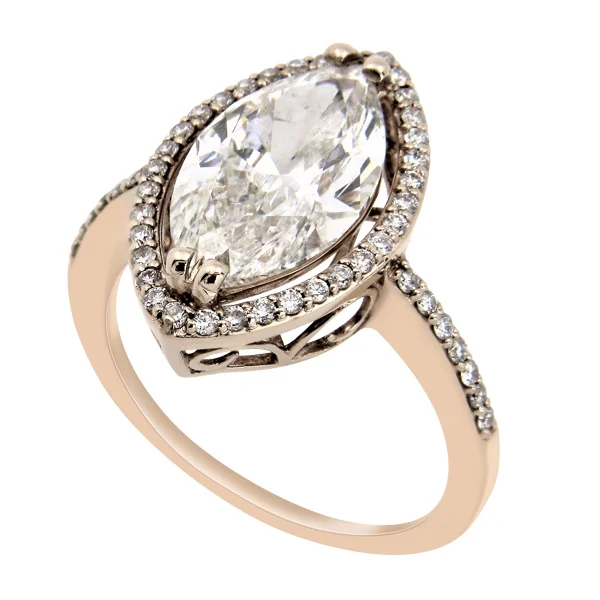
If you are considering a fancy color diamond as the center stone of an engagement ring, prioritize intensity grade over carat weight. A smaller Fancy Vivid Yellow will look more vibrant and commanding than a larger Fancy Light of the same hue. Pair fancy yellows with yellow gold for maximum saturation; pair fancy pinks and blues with white metal or rose gold to let the stone’s hue speak for itself.
Why Buy Colored Diamond and Gemstone Jewelry at Diamonds N Colors, Las Vegas
Las Vegas is home to some of the world’s most discerning jewelry buyers — and Diamonds N Colors has been their trusted source for over 30 years. Here is what sets us apart:
- GIA and AGL Certified Stones: Every significant gemstone in our collection carries certification from GIA, AGL, or equivalent trusted laboratories. You know exactly what you are buying.
- AGTA Membership: We are proud members of the American Gem Trade Association, committing to ethical sourcing, conflict-free supply chains, and sustainable gemstone practices.
- 30+ Years of Expertise: Our team includes designers and gemologists with decades of experience in fancy color diamonds and fine colored gemstone jewelry.
- Custom Design: Every piece can be custom-designed to your exact vision — from engagement rings to heirloom necklaces. Our in-house designers work directly with you from concept to final polish.
- Las Vegas Showroom: Visit us at 8965 S. Eastern Ave., Suite 160, Las Vegas, NV 89123. See our full collection in person, and let our team walk you through color, cut, and clarity side by side.
- Same-Day Consultations: Call (702) 773-1747 to arrange your in-store or video consultation. We work with clients locally and across the country.
Caring for Colored Diamond and Gemstone Jewelry
Protecting the color, brilliance, and structural integrity of your fine jewelry requires simple but consistent care:
- Clean diamonds gently with warm water, mild dish soap, and a soft toothbrush every 1–2 weeks
- Use an ultrasonic cleaner only for diamonds and sapphires — never for emeralds, opals, or treated stones
- Store each piece separately in a soft pouch or lined compartment to prevent scratching
- Remove jewelry before swimming, exercising, or using household chemicals
- Have prongs and settings inspected by a professional jeweler every 12–18 months
- Avoid direct heat and prolonged UV exposure, which can alter color in some treated stones
Natural vs. Lab-Grown Colored Diamonds: What You Need to Know in 2026
Lab-grown diamonds have become a significant part of the jewelry market, and colored lab-grown diamonds — particularly fancy yellows and blues — are now widely available. Here is how natural and lab-grown colored diamonds compare:
Factor | Natural Fancy Color Diamond | Lab-Grown Fancy Color Diamond |
Origin | Mined from the Earth over billions of years | Grown in a laboratory in weeks to months |
Rarity | Extremely rare; non-renewable resource | Can be produced in quantity |
Value / Resale | Strong appreciation history; investment grade | Depreciating rapidly; limited resale market |
Certification | GIA, AGL, and other labs certify origin | Certified but noted as ‘laboratory-grown’ |
Appearance | Identical chemical composition and optical properties | Identical to natural visually |
Price | Significant premium for rarity | 30–70% less than natural equivalents |
At Diamonds N Colors, we carry natural fancy color diamonds and can assist clients who seek lab-grown alternatives. Our position is always full transparency: every stone’s origin is disclosed, and certification accompanies every significant purchase.
What Our Clients Are Saying
At DiamondNColors, we take pride in delivering exceptional service and exquisite jewelry. From diamond rings, engagement rings, and bracelets to gemstone pieces and more, our clients’ experiences speak for themselves. Explore our genuine testimonials to see how we bring elegance and quality to every piece, and share your own feedback here.
FAQs
The GIA (Gemological Institute of America) diamond color scale grades colorless to light-colored diamonds from D to Z. Grade D represents a perfectly colorless stone — the rarest and most valuable — while Z indicates a diamond with noticeable yellow or brown body color. Each grade affects both appearance and price. Grades D–F are colorless, G–J are near-colorless, and K–Z show increasing warmth. For most buyers, G–H offers the best balance of appearance and value in white metal settings.
A fancy color diamond is a natural diamond whose color is strong enough to be considered a desirable attribute rather than a deficiency. Instead of the D–Z colorless scale, fancy color diamonds are graded by hue (the color itself), saturation (intensity), and tone (lightness or darkness). The GIA recognizes nine intensity grades from Faint to Fancy Vivid. Colors include yellow, pink, blue, green, orange, red, violet, gray, and brown. Fancy color diamonds are generally rarer and more valuable per carat than colorless diamonds of equivalent size.
Red diamonds are the absolute rarest fancy color — fewer than 30 true Fancy Red diamonds are known to exist worldwide. Among commercially available fancy colors, Fancy Vivid Blue diamonds command the highest per-carat prices globally, followed closely by Fancy Vivid Pink. The closure of Australia’s Argyle mine in 2020, which produced 90% of the world’s pink diamonds, has dramatically accelerated pink diamond prices. For colorless diamonds, D-grade Internally Flawless stones represent the apex of the D–Z scale.
Yes — diamond color has a substantial impact on price, particularly in the D–J range. The price difference between a D and G color diamond of identical cut, clarity, and carat can be 20–40%. Moving from G to I may represent another 15–25% reduction. For fancy color diamonds, intensity grade is the primary price driver: a Fancy Vivid Yellow may cost three to five times more than a Fancy Light Yellow of the same carat weight. Understanding the grading system lets buyers optimize budget without compromising visible beauty.
Generally, warm skin tones with golden or olive undertones are enhanced by warm gemstone colors: yellow sapphires, fancy yellow diamonds, rubies, and orange-toned stones like Padparadscha sapphire. Cooler skin tones with pink or blue undertones tend to look stunning with blue sapphires, tanzanite, colorless diamonds, and blue-green aquamarine. That said, personal preference and styling context always take priority over general rules — our jewelers are happy to help you see options in person at our Las Vegas showroom.
Historically, top-quality natural fancy color diamonds — particularly Fancy Vivid Pink, Fancy Vivid Blue, and high-quality Fancy Vivid Yellow stones above 2 carats — have shown strong long-term appreciation. The post-Argyle closure of 2020 has contributed to a structural supply shortage in the pink diamond market. However, like all alternative investments, individual results vary, liquidity can be limited, and past performance does not guarantee future returns. We always recommend purchasing stones that you love aesthetically, with investment potential as a secondary consideration.
Absolutely. Custom design is one of our most requested services at Diamonds N Colors. Our in-house designers have over 30 years of experience crafting bespoke engagement rings, pendants, and statement pieces featuring fancy color diamonds, GIA-certified rubies, Padparadscha sapphires, Colombian emeralds, and more. The process begins with a consultation — in our Las Vegas showroom or by phone — where we discuss your vision, stone preferences, budget, and timeline. Most custom pieces are completed within four to six weeks.
Your Dream Jewelry, Designed Just for You!
Custom engagement rings, luxury colored gemstones, and diamond creations—crafted in Las Vegas by expert designers with 30+ years of experience. Call us now to make your vision a reality!
(702) 773-1747