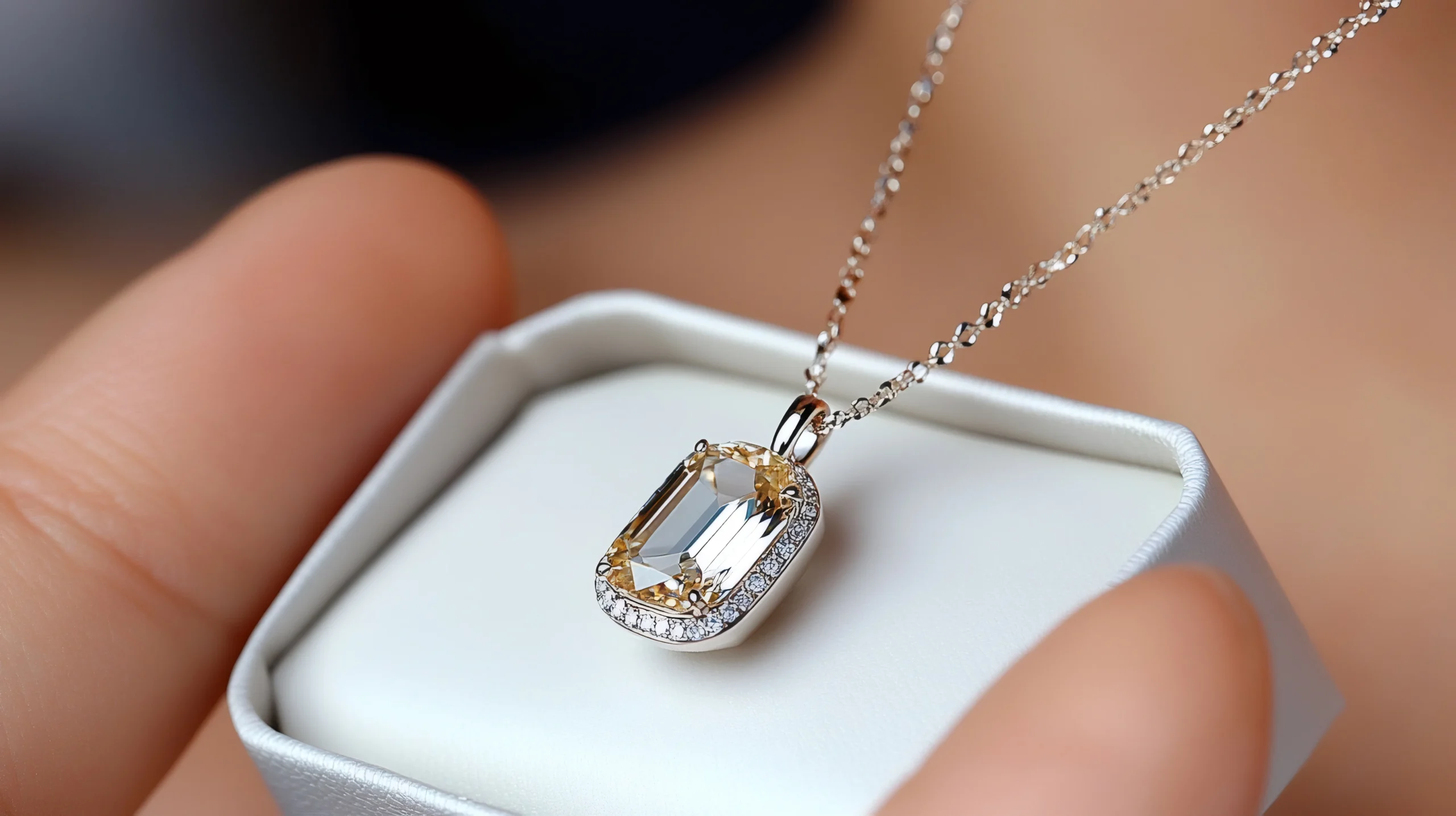
At Sotheby’s Hong Kong in 2024, a 5.03-carat vivid pink spinel from Burma sold for over $280,000 — more than $55,000 per carat — for a gemstone that, a decade earlier, would have been priced closer to $8,000 per carat in the same quality. According to the American Gem Trade Association (AGTA) spinel in all its colors remains one of the most undervalued fine gemstones in the American market, with collector demand accelerating significantly among buyers who understand what rarity actually means in the gem trade. The pink spinel gemstone investment story is not a trend. It is a quiet correction — a market finally catching up to a stone that deserved this attention all along.
If you’re building a meaningful collection, planning an engagement ring that stands entirely apart from the expected, or simply trying to understand why gemologists and serious collectors have been whispering about pink spinel for years, this guide covers everything: what makes spinel genuinely rare, how it compares to pink sapphire on every dimension that matters, what to pay, and how to buy it safely in the USA.
The answer to why spinel has been undervalued this long is more interesting than you might expect.
Pink spinel is a naturally occurring magnesium-aluminum oxide gemstone — chemically MgAl₂O₄ — that forms in marble deposits under intense geological pressure. Its pink color comes from trace amounts of chromium and iron, with the finest vivid pinks coming from Burma (Myanmar) and Sri Lanka. Pink spinel is rare because gem-quality deposits are few, crystals are small, and the stone is almost never treated.
Spinel and ruby shared the same deposits — and often the same identity — for most of recorded history. The Black Prince’s Ruby in the British Crown Jewels is not a ruby at all. It’s a 170-carat red spinel, mounted in the Imperial State Crown and for centuries misidentified as corundum. The confusion wasn’t carelessness — spinel and ruby are visually indistinguishable to the naked eye, found in the same Burmese marble deposits, with nearly identical color in their finest forms. It was only with the development of modern gemological testing that the distinction became clear.
That historical conflation had a lasting market consequence: spinel was systematically underpriced relative to ruby and sapphire for generations, because buyers didn’t know what they were looking at. Today, the gemological community understands spinel completely — and the market is catching up. Fine pink spinel at 2+ carats with vivid saturation is now genuinely difficult to source, and the supply pipeline from Mahenge (Tanzania) and Mogok (Myanmar) cannot meet the demand that collectors and designers are generating.
The Gemological Institute of America (GIA) issues full colored stone grading reports for spinel, documenting color, clarity, and — critically — the absence of treatments. This last point distinguishes spinel from nearly every other fine colored gem category.
Pink spinel vs pink sapphire value in 2026 favors spinel for investment-grade buyers on three counts: spinel is significantly rarer at equivalent quality, almost universally untreated (versus pink sapphire, which is routinely heat-treated), and still priced below its scarcity level in most of the USA market — creating upside that established pink sapphire pricing no longer offers.
| Attribute | Pink Spinel | Pink Sapphire |
|---|---|---|
| Mohs Hardness | 8.0 | 9.0 |
| Rarity (fine quality) | Significantly rarer | More available |
| Price per carat (fine) | $500–$15,000+ | $300–$8,000+ |
| Heat treatment | Rarely treated | Routinely treated |
| Treatment premium (untreated) | Standard — most are clean | 30–50% premium for unheated |
| Collector demand trend | Rising rapidly since 2020 | Established, stable |
| Best origins | Burma, Mahenge Tanzania, Sri Lanka | Kashmir, Ceylon, Madagascar |
| Best for | Investment, unique engagement rings | Engagement rings, classic jewelry |
| GIA certification | Full reports available | Full reports available |
Pink sapphire has a well-established market with predictable pricing tracked loosely by sources like the Rapaport Report and GemVal. Fine unheated Ceylon pink sapphires at 3+ carats command strong prices — but that market is mature. Buyers who enter now pay close to full recognized value.
Pink spinel, by contrast, trades at prices that many gemologists consider below intrinsic scarcity value — particularly in the USA, where collector awareness lags behind Europe and Asia. A vivid 2-carat Mahenge spinel with no treatment and a GIA report can be acquired for $3,000–$6,000 per carat in the current American market. The same stone would command meaningfully more at auction in Hong Kong or Geneva, where collector sophistication around spinel is significantly more developed.
This arbitrage between American retail pricing and international auction results is exactly what creates investment opportunity — and it rarely lasts.
Pink spinel gemstone investment value is driven by four factors: color (vivid, pure pink without orange or purple secondary hues commands the highest prices), origin (Burma and Mahenge Tanzania produce the finest material), size (fine spinel above 3 carats is exponentially rare), and treatment status (untreated spinel — the standard, not the exception — carries no treatment discount). GIA certification documents all four.
Color: The Single Most Important Factor
The finest pink spinels display what the trade calls “hot pink” — a vivid, saturated pink that sits between a pure red and a delicate rose, without the orange secondary hue that pushes value down (“flame spinel”) or the purple secondary that creates a cooler, less commercially desirable tone. Mahenge spinels from Tanzania are particularly celebrated for a unique neon quality — an electric saturation that seems to generate its own light — caused by trace chromium and iron ratios that exist nowhere else in the world’s deposits.
In person, under natural light, a fine Mahenge pink spinel does something that photographs genuinely cannot capture: it glows. Not in a fluorescent, UV-reactive way — it simply appears to hold more light than the space around it, as if the color has its own luminosity. It is one of the most arresting experiences in fine gemology.
Origin Documentation
For significant pink spinel purchases, origin documentation from a reputable laboratory — GIA, Gübelin, or SSEF — materially affects value. A Burma (Mogok) origin spinel with a Gübelin report specifying Burmese origin commands a premium of 20–40% over an equivalent stone of undocumented origin, reflecting both the prestige and the scarcity of Mogok material. Mahenge Tanzania origin is similarly documented and adds meaningful value, particularly for stones with the characteristic neon saturation.
Size Premiums
Fine pink spinel above 3 carats is genuinely scarce. The price-per-carat premium for size escalates sharply: a 1-carat vivid Mahenge spinel might trade at $4,000/ct; a 3-carat stone of equivalent quality might command $12,000–$18,000/ct. This non-linear scaling with size is the hallmark of a genuinely rare gem — it reflects the statistical improbability of large crystals forming with both sufficient size and fine color.
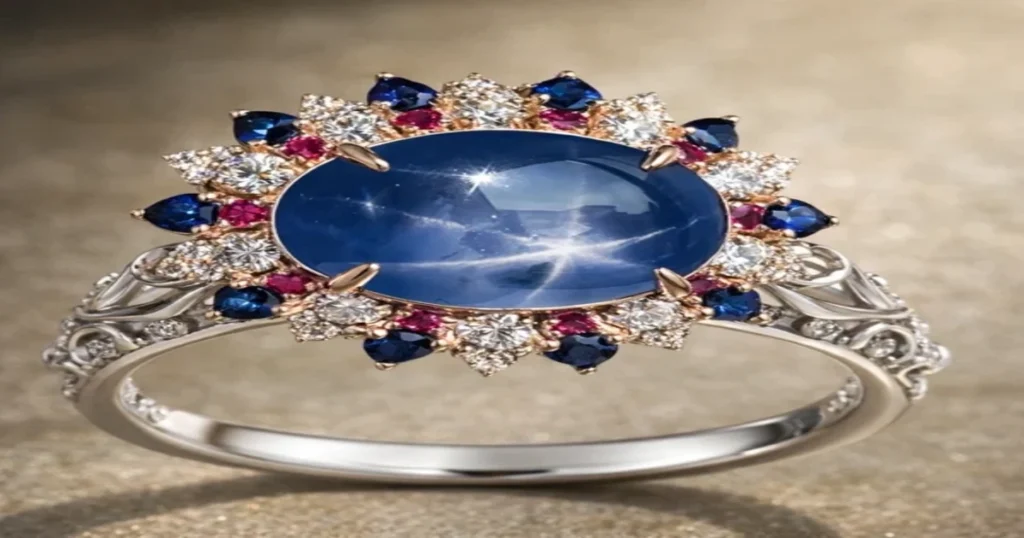
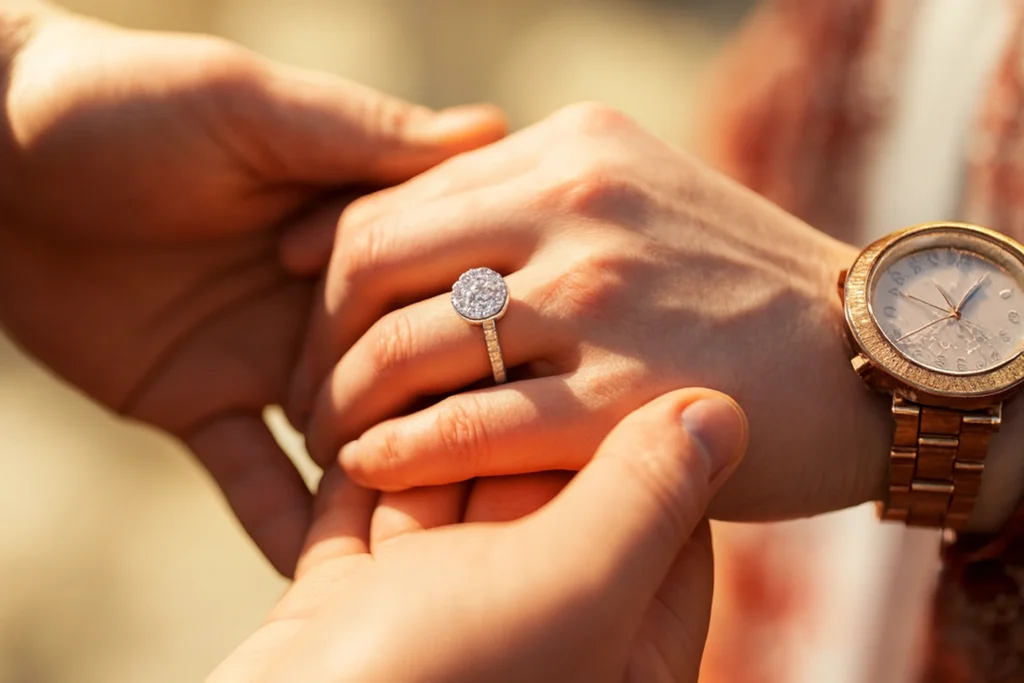
Pink spinel is an excellent engagement ring gemstone — Mohs 8 hardness makes it durable for daily wear, its single refractive index produces exceptional brilliance without the doubling effect seen in some other colored gems, and its near-universal lack of treatments means the stone you buy is the stone as nature made it. The primary consideration is setting protection, as spinel is slightly softer than sapphire.
At Mohs 8, pink spinel is harder than most gemstones used in fine jewelry — harder than tanzanite (6.5), tourmaline (7–7.5), and opal (5.5–6.5). It is softer than sapphire and ruby (Mohs 9), which means it can be scratched by corundum and by diamond, but will not be scratched by everyday materials like metal, glass, or quartz. For an engagement ring worn daily, a bezel or partial bezel setting offers the best protection — wrapping the girdle of the stone in metal rather than leaving it exposed in a prong setting.
💎 DiamondsNColors Designer’s Note When clients bring us a pink spinel for custom setting, the first thing our team evaluates is the stone’s cut — because spinel is often cut to maximize carat weight rather than light performance, and a recut can sometimes transform a good stone into an exceptional one. The second thing we evaluate is the girdle thickness: a thin girdle on any colored gem is a vulnerability in a ring setting. We build our bezel and halo designs around protecting that girdle while letting the color speak without interference. If you’re considering a pink spinel engagement ring, bring us the stone — or let us source it — before you commit to a setting style.
The refractive index (RI) of spinel is 1.712–1.762 — singly refractive, which means it doesn’t show the doubling of back facets that affects some other colored gems. This single refraction, combined with spinel’s cubic crystal structure, produces a clean, undistorted brilliance that makes the color appear particularly vivid and direct.
DiamondsNColors’ custom design studio (link: /custom-order/) specializes in bespoke settings for rare colored gemstones. Our team has set pink spinels in everything from delicate solitaire bezels to elaborate vintage-inspired halo designs, and we’re happy to guide you through the design process from stone selection to finished ring.
To buy pink spinel jewelry safely in the USA, require a GIA or Gübelin colored stone grading report specifying the stone’s color grade, clarity, treatment status, and — for significant purchases — origin. Ask whether the spinel is heated (rare but possible) or unheated (standard). Purchase from a jeweler who can show you the actual stone in multiple light sources, not just product photography.
Most USA jewelry buyers encounter spinel — if they encounter it at all — at estate sales, specialty gem dealers, or design-forward fine jewelry studios that actively source rare colored gems. The mainstream retail chains rarely carry meaningful spinel inventory; the volumes are simply too small and the buyer education requirement too high for mass-market settings.
This is where Las Vegas offers a genuine advantage. DiamondsNColors maintains relationships with international gem dealers who present at JCK Las Vegas — the world’s largest annual jewelry trade show — each June. Our colored gemstone sourcing happens at that level: we evaluate stones directly from Burmese, Tanzanian, and Sri Lankan origin dealers, with GIA and Gübelin documentation, before presenting them to clients. That supply chain access means our Las Vegas showroom and national online clients at diamondsncolors.com see material that doesn’t appear in standard retail channels.
Questions to Ask Any Spinel Seller:
- Is this stone heated or unheated — and is it documented on the lab report?
- What is the origin — and is origin specified on the certificate?
- Can I see the stone in natural daylight and incandescent light?
- What is the return policy if the stone doesn’t match its description?
- Does the GIA report number match this specific stone (verify at GIA.edu)?
Among rare pink gemstones for collectors, pink spinel occupies a unique position: rarer than most pink sapphires, more durable than pink tourmaline (rubellite), far more accessible in price than natural pink diamonds, and available in larger sizes than padparadscha sapphire. For a collector building a meaningful pink gem portfolio, spinel often delivers the highest combination of rarity, beauty, and value-to-price ratio.
Pink Diamond: The rarest of all pink gem options — natural pink diamonds, particularly Argyle-origin stones, trade at $100,000–$3,000,000+ per carat for fine material. Since the Argyle Mine’s 2020 closure, supply has permanently contracted. For most buyers, pink diamonds are aspirational rather than accessible.
Padparadscha Sapphire: The most coveted sapphire variety — a delicate salmon-pink-orange that exists in a color range so narrow that even gemologists debate its boundaries. Fine padparadscha at 2+ carats commands $8,000–$30,000+ per carat. Its extreme rarity makes it a collector’s gem, but the color range is polarizing and highly personal.
Rubellite (Pink-Red Tourmaline): Widely available, affordable, and beautiful — but tourmaline’s Mohs 7–7.5 hardness and common inclusions limit its investment appeal relative to spinel. Rubellite is excellent for fashion jewelry and occasional-wear pieces; it’s not the choice for a daily-wear ring or a long-term value hold.
Pink Spinel: The clearest value proposition among rare pink gems for collectors who understand the market. Better rarity than pink sapphire, better durability than rubellite, more accessible than padparadscha or pink diamond, and priced below its actual scarcity level in the USA — particularly for Mahenge and Burmese material between 1–5 carats.
DiamondsNColors’ education resources (link: /education/) include a full collector’s overview of rare colored gems, including how to build a diversified colored stone collection with both aesthetic and investment coherence.
Pink spinel grading evaluates color (hue, tone, saturation), clarity, cut, and carat weight — the same four factors applied to all colored gems, per GIA standards. What distinguishes spinel from nearly every other fine gem category is treatment: spinel is almost never heated or otherwise enhanced, meaning the stone’s beauty is entirely natural. An untreated pink spinel isn’t a premium exception — it’s the standard.
In ruby and sapphire, heat treatment is so widespread — affecting 90%+ of commercial material — that unheated stones carry a documented price premium of 30–70% over treated equivalents of the same apparent quality. Pink sapphire buyers routinely pay that premium for the confidence that a stone’s color is natural.
With pink spinel, the situation is fundamentally different. Heating spinel is technically possible but almost never commercially practiced, because spinel’s color is already the result of its natural chemistry — chromium and iron create the pink without the structural color concentrations that heat treatment corrects in corundum. When you buy a pink spinel, you are almost certainly buying an untreated stone. That’s not a selling point; it’s simply the nature of the gem.
This has a significant practical implication for value comparison: a pink spinel at $3,000/ct and a pink sapphire at $3,000/ct are not equivalent purchases. The sapphire is almost certainly heat-treated; the spinel almost certainly is not. Adjust for that treatment differential, and spinel’s effective value premium becomes immediately visible.
GIA issues full colored stone grading reports for pink spinel, specifying color, clarity, measurements, and any treatment disclosures (which are almost invariably “none”). For purchases above $2,000, a GIA or Gübelin report is non-negotiable — not because spinel is commonly misrepresented, but because documentation protects your investment and confirms origin when possible.
The window to acquire fine pink spinel at below-recognition pricing in the USA is real — and it’s narrowing. Here are four principles to carry with you as you explore this remarkable gemstone:
- Untreated is the standard, not the exception. The pink spinel gemstone investment case starts with this fact — you’re buying natural color in a market that has historically paid a premium for it in every other gem category.
- Origin matters. Burma and Mahenge Tanzania produce the finest material. GIA or Gübelin origin documentation adds 20–40% to fair market value and confirms provenance.
- Size premiums are steep. Stones above 3 carats with vivid color are genuinely rare. If you find one at a price that seems reasonable, it probably is — and won’t be available long.
- The setting shapes the story. A fine pink spinel deserves a setting designed for it — not a generic prong mount, but a design that protects the stone and honors its color.
Whether you’re drawn to pink spinel for its investment logic, its extraordinary color, or the quiet satisfaction of owning something almost nobody else knows to look for — our team at DiamondsNColors in Las Vegas is here to help you find exactly the right stone for your story.
Is pink spinel rarer than pink sapphire?
Yes — pink spinel is significantly rarer than pink sapphire in fine quality above 2 carats. Gem-quality pink spinel deposits are limited to a handful of locations globally, including Mogok (Myanmar) and Mahenge (Tanzania), and crystal sizes large enough for significant cut stones are uncommon. Pink sapphire, while not abundant, is available in greater commercial volume from Ceylon, Madagascar, and East Africa sources.
Is pink spinel a good investment in 2026?
Pink spinel gemstone investment carries strong fundamentals in 2026 — limited supply from a small number of global deposits, near-universal lack of treatments (meaning natural color is standard, not a premium), and pricing that remains below recognized scarcity value in the USA market compared to international auction results in Hong Kong and Geneva. Fine Mahenge and Burmese material at 2+ carats has appreciated meaningfully since 2020 and continues to attract collector attention.
How much does a pink spinel cost in the USA?
Pink spinel prices in the USA range from approximately $300–$1,500 per carat for commercial quality material to $3,000–$15,000+ per carat for vivid, fine-quality stones from Burma or Mahenge Tanzania with GIA documentation. The most significant price jump occurs above 2 carats, where fine quality becomes genuinely scarce. Origin, color saturation, and treatment status (almost always none) are the primary value drivers.
What is the difference between pink spinel and pink sapphire for an engagement ring?
Pink spinel (Mohs 8) is slightly softer than pink sapphire (Mohs 9) but durable for daily ring wear with appropriate setting protection — a bezel or partial bezel is ideal. Pink spinel is almost never heat-treated, while most commercial pink sapphires are. Pink spinel tends to display a more vivid, electric color saturation in fine material, while pink sapphire offers greater origin variety and a more established mainstream market presence.
Does pink spinel need to be certified by GIA?
For any pink spinel purchase above $2,000, a GIA colored stone grading report or equivalent from Gübelin or SSEF is strongly recommended. The report documents color, clarity, and — critically — treatment status (almost always none for spinel) and can specify origin for significant stones. GIA certification protects your investment, confirms the stone’s identity, and provides documentation that supports resale or insurance valuation.
How do I care for a pink spinel ring or jewelry piece?
Pink spinel at Mohs 8 is durable for daily wear but should be cleaned with warm water, mild dish soap, and a soft brush — not ultrasonic cleaners, which can loosen settings over time. Store separately from harder gems (sapphire, ruby, diamond) that could scratch the surface. Have prongs or bezels inspected annually by a jeweler. Avoid exposure to harsh household chemicals, which can affect the metal setting rather than the stone itself.