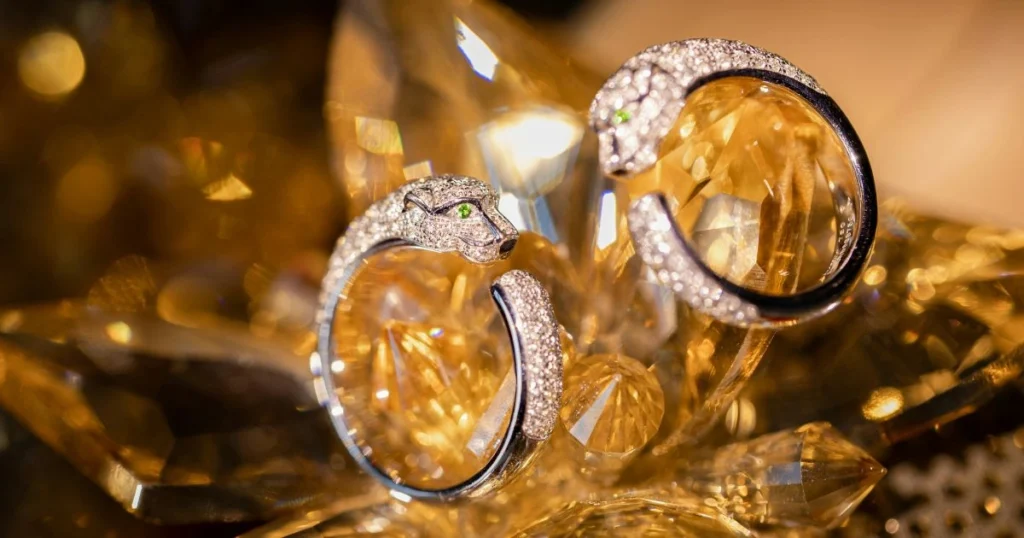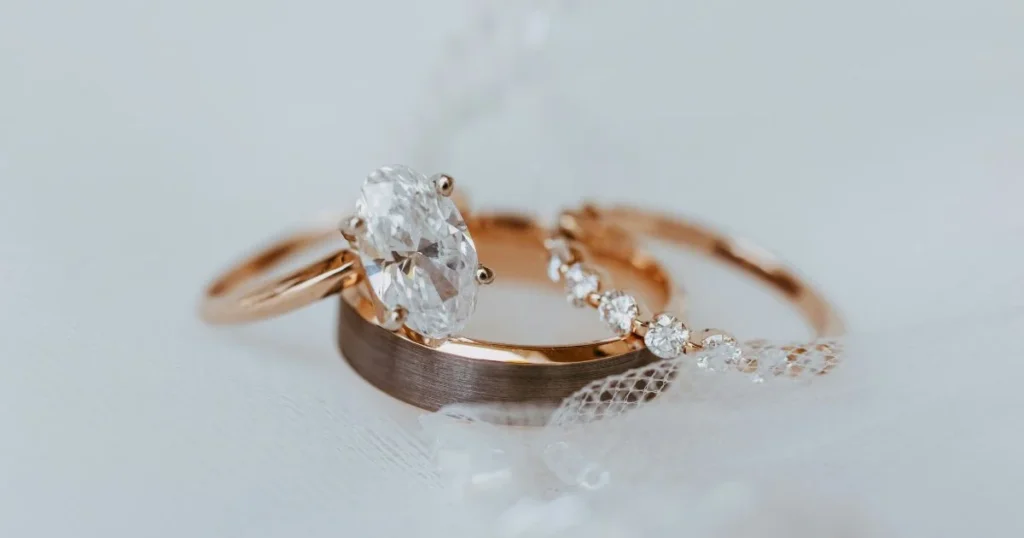
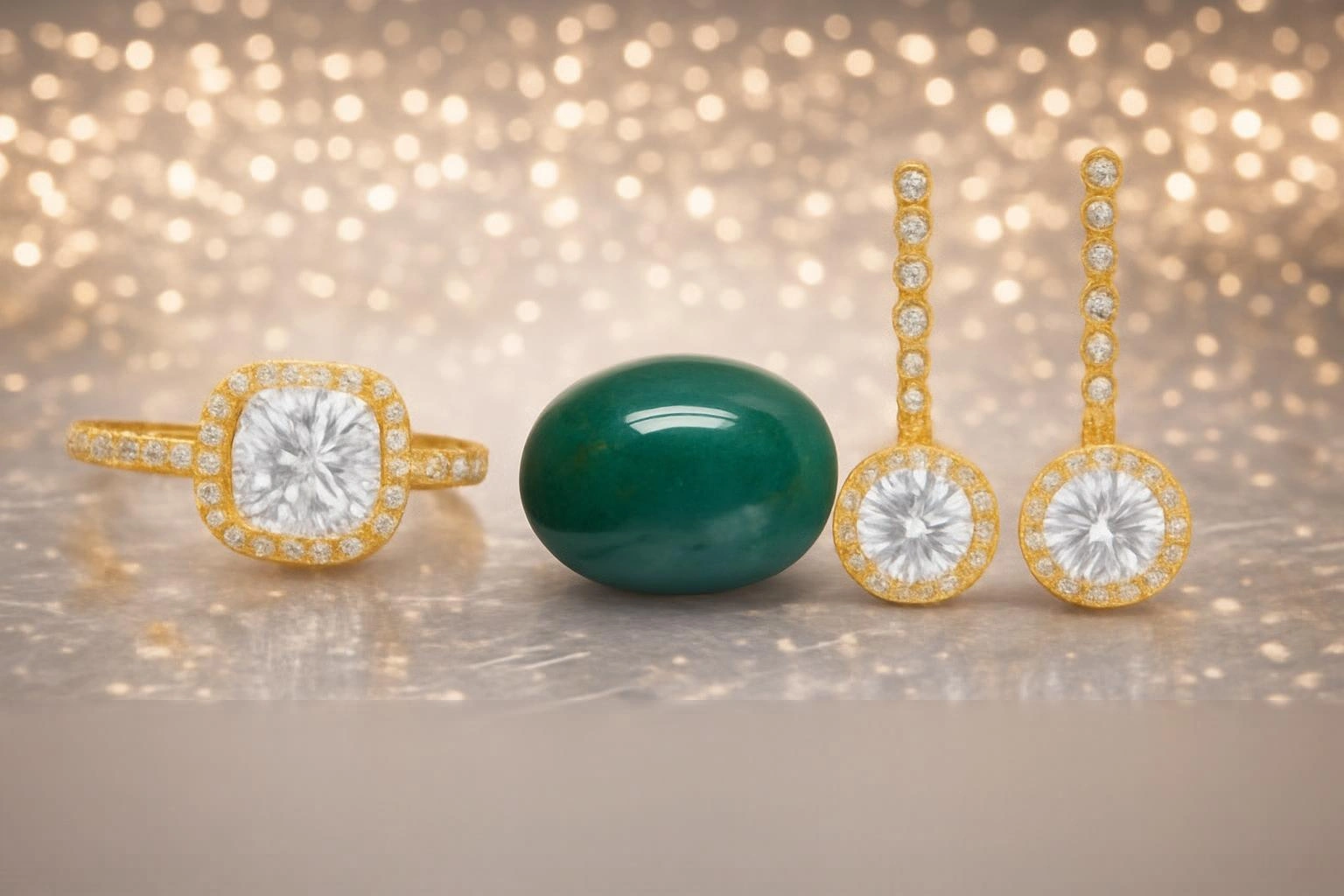
Luxury jewelry is constantly evolving, reflecting shifts in culture, technology, and consumer tastes.As 2026 approaches, the world of high-end jewelry is poised for a transformation. Diamonds and rubies have long dominated the spotlight, but the industry is now embracing a broader spectrum of gems — rare, colorful, and ethically sourced — that will redefine luxury.
Why are this shift happening? And how will it affect collectors, designers, and the market? I recently heard from a collector that their preference has now shifted from diamonds more toward rare colored gems. In this blog, we explore the gemstone trends set to shape the high jewelry industry in 2026, including innovations in sourcing, cutting, ethical considerations, and design. By the end, you’ll understand how this colorful and conscious future of jewelry offers opportunities for investment, creativity, and personal expression.
Custom engagement rings, luxury colored gemstones, and diamond creations—crafted in Las Vegas by expert designers with 30+ years of experience. Call us now to make your vision a reality!Your Dream Jewelry, Designed Just for You!
Understanding High Jewelry: A New Perspective
luxury jewelry, also called haute joaillerie, represents the pinnacle of craftsmanship in the luxury market. Unlike standard jewelry, these pieces is defined not just by their stones, but by their artistry, rarity, and exclusivity. Typically, luxury jewelry:
-
Uses rare or exceptional-quality gemstones
-
Involves hand-setting and master-level craftsmanship
-
Takes hundreds of hours to create
-
Is produced in limited quantities for exclusivity
While diamonds, rubies, sapphires, and emeralds have been the traditional standard-bearers, modern collectors is looking beyond these staples. They value luxury jewelry that expresses individuality, embraces color, and aligns with sustainability principles.
Why 2026 Is Shaping Up to Be a Year of Color and Innovation
The rise of diverse gemstones reflects broader cultural and economic trends:
1. Changing Collector Preferences
Modern buyers want more than traditional symbols of wealth; they seek jewelry that reflects identity and personal taste. Younger luxury consumers in Asia, North America, and the Middle East increasingly prioritize:
-
Customization and personal symbolism
-
Rare, unique, or unconventional gemstones
-
Jewelry that tells a story or reflects a lifestyle
Collectors now ask, “What does this gem say about me?” rather than simply “How big is the diamond?” Colorful gemstones satisfy this desire for individuality because no two pieces are exactly alike.
2. Artistic Expression in Jewelry Design
Designers today are exploring gems as artists explore color palettes. High jewelry is no longer just about carat weight; it’s about creative storytelling. Innovations include:
-
Bold, contrasting color combinations
-
Gradient gemstone layouts
-
Unconventional cuts and innovative settings
-
Layered or multi-stone designs that reflect emotion
This approach transforms designer jewelry into wearable art, turning each piece into a conversation starter. It’s also helping luxury brands reach collectors who value aesthetic innovation as much as material value.
3. Ethics and Sustainability
Consumer awareness around ethical sourcing and environmental impact is reshaping luxury jewelry. While diamonds have established traceability systems, colored gemstones are gaining attention for their potential ethical and environmental advantages:
-
Responsibly mined stones from smaller, transparent communities
-
Lab-created gems with controlled environmental impact
-
Certifications ensuring conflict-free sourcing
Buyers increasingly want luxury jewelry that aligns with their values, making sustainability a key factor in 2026’s market trends.
Gemstones Leading the 2026 Transformation
Several rare and colorful stones are expected to dominate fine jewelry in 2026:
Tanzanite: Rare Violet-Blue Beauty
Mined exclusively in Tanzania, tanzanite offers a rich violet-blue hue. Its rarity and vibrancy make it appealing for statement pieces. Collectors are drawn to tanzanite not only for beauty but also for its limited availability, which may support long-term value.
Paraiba Tourmaline: Neon Brilliance
Paraiba tourmaline are known for its electric blue-green glow, instantly catching the eye. Extremely rare and mined in small quantities, it has become a favorite among collectors and designers seeking statement gems. Its vivid hue and scarcity make it an ideal gem for luxury jewelry designed to stand out.
Imagine you’re choosing a piece that carries both family heritage and personal meaning — which gemstone would you pick?
Spinel: Understated Elegance
Once overshadowed by ruby and sapphire, spinel is now enjoying renewed popularity. With shades of red, pink, and purple, it provides a durable and versatile alternative. Spinel appeals to collectors who appreciate subtle sophistication and longevity in everyday luxury pieces.
Moonstone: Ethereal Charm
Moonstone’s iridescent glow makes it a favorite for contemporary jewelry designers. Its subtle shimmer provides an ethereal quality that complements bold gemstones in mixed designs. Moonstone allows fine jewelry buyers to enjoy uniqueness without breaking the bank.
These stones are no longer just a symbol of luxury — they’ve also become a powerful tool for personal expression.
Alexandrite: The Color-Changing Wonder
Alexandrite fascinates with its color-changing properties: green in daylight, reddish under incandescent light. This rare phenomenon has made it a highly sought-after gem for collectors and designers looking for statement pieces with visual intrigue and investment potential.
Technology and Innovation in Gemstone Crafting
Advances in technology are transforming how gemstones are sourced, cut, and crafted:
-
Laser cutting allows for precise, intricate designs without compromising stone integrity
-
Advanced faceting produces sharper angles, more vivid colors, and innovative shapes
-
Sustainable cutting methods minimize gemstone waste and environmental impact
Case Study: Cartier and Bulgari are using laser engraving and precision cutting to enhance brilliance while preserving natural beauty. These innovations enable designers to explore creative layouts, layering stones in new ways for dynamic visual impact.
Ethical Sourcing and Lab-Created Gems
Sustainability is a major driver in 2026:
Lab-Created Gems
Lab-grown gemstones is chemically identical to natural ones but produced in controlled conditions, reducing environmental and ethical concerns. They also allow jewelers flexibility in design and pricing.
Lab-grown gems have now become a perfect option for ethical buyers. A friend recently had her engagement ring made with a lab-grown sapphire, and she was extremely satisfied with her choice.
Traceability and Transparency
Blockchain and other technologies are being used to provide verifiable proof of gemstone origin, ensuring conflict-free and ethical sourcing. Consumers increasingly consider traceability a key factor in purchasing luxury jewelry.
Brands like Cartier and Bulgari use laser cutting, and designers say that this technique enhances the brilliance of gemstones while minimizing material waste.
Consumer Preferences Driving Design Trends
Consumer tastes are shaping modern fine jewelry:
1. Customization
Bespoke pieces are on the rise. Buyers seek jewelry reflecting their personal style, stories, or milestones. Custom cuts and settings allow them to express individuality in ways traditional designs cannot.
2. Mixed-Gemstone Designs
Combining different gemstones creates bold, colorful statements. Pairing sapphires with moonstone or rubies with emeralds allows designers to create visually dynamic pieces, balancing modern flair with timeless elegance.
Pro Tip: Experimenting with contrasting colors adds personality while maintaining harmony.
Pricing and Investment Considerations
As new gemstones gain prominence, pricing dynamics will shift:
-
Premium gems like Paraiba tourmaline and tanzanite remain costly due to rarity
-
Lab-created options offer accessible luxury without compromising beauty
-
Resale value may increase as demand grows for rare stones
Collectors seeking investment opportunities can benefit from diversifying with both rare natural gems and ethically produced alternatives.
How Brands Will Respond
Luxury jewelry brands must innovate to maintain relevance:
-
Offering a wider range of gemstone choices
-
Ensuring ethical sourcing and sustainable practices
-
Integrating technology for precise craftsmanship
-
Embracing customization and personalized services
Brands that combine tradition with innovation are poised to thrive as the market shifts toward individuality, color, and conscious luxury.
Conclusion: A Colorful, Conscious, and Creative Future
The high jewelry landscape in 2026 is more vibrant than ever. If you want to keep up with the trends of 2026, start exploring new gemstones and add a little boldness to your collection.
With rare, colorful, and ethically sourced gemstones at the forefront, luxury jewelry is entering a new era. Collectors and buyers now value individuality, sustainability, and emotional resonance alongside traditional brilliance.
Diamonds remain timeless, but the rise of colorful, rare, and ethically conscious gems is reshaping the conversation. Luxury jewelry is no longer defined solely by carat weight or clarity; it is defined by craftsmanship, story, rarity, and expression.
For consumers and designers, embracing this spectrum of gems offers opportunities to create, collect, and invest in pieces that reflect the evolving future of luxury — one that is colorful, responsible, and full of personality.
FAQs
1. Which gemstones are expected to dominate in High Jewelry in 2026?
In 2026, High Jewelry collections are expected to be led by several rare and vibrant gemstones. Key stones include Tanzanite, Paraiba Tourmaline, Spinel, Moonstone, and Alexandrite.
2. Are lab-created gems a viable option for high jewelry?
Yes. Lab-grown gems provide ethical, sustainable, and cost-effective alternatives while maintaining the same chemical and optical qualities as natural stones.
3. How is technology changing gemstone cutting?
Laser cutting and advanced faceting enable intricate designs, sharper facets, and minimized waste, enhancing both beauty and sustainability in high jewelry.
4. Can mixed-gemstone pieces appeal to traditional High Jewelry collectors?
Absolutely,when thoughtfully designed, mixed-gemstone High Jewelry pieces can captivate even traditional collectors.
5. Why is ethical sourcing important for consumers in 2026?
Ethical sourcing in High Jewelry ensures gems are traceable and conflict-free, enhancing buyer trust and transparency. In 2026, it’s becoming a key factor in luxury purchasing decisions.
6. How will pricing trends shift for rare gemstones?
Premium natural stones will maintain high prices due to scarcity, while lab-grown alternatives provide affordable luxury without compromising quality.
7. How can buyers personalize their high jewelry?
Customization options include unique cuts, mix-and-match designs, and bespoke settings, allowing each piece to reflect individual style, story, and milestone moments