Introduction
Struggling to decide between emerald vs sapphire for your ring—and worried about making an expensive mistake?
You’re not alone. Many buyers fall in love with a gemstone’s color but later regret their choice when it chips, fades, or doesn’t fit their lifestyle. In style-driven markets like Las Vegas, where statement jewelry meets everyday wear, choosing the right gemstone is both a fashion and financial decision.
This guide breaks down the real differences in the emerald vs sapphire debate—covering durability, cost, symbolism, and practicality. You’ll learn which gemstone actually fits your lifestyle, how to avoid common buying mistakes, and how to choose a ring that delivers long-term value, not just initial appeal.
What is the real difference between emerald vs sapphire?
At first glance, the emerald vs sapphire comparison seems simple: green vs blue. But the real differences go much deeper—into mineral composition, durability, and long-term wearability.
Gemstone origins and composition
Emeralds belong to the beryl family, while sapphires are a type of corundum. This difference directly impacts hardness, clarity, and durability.
- Emerald hardness: 7.5–8 on the Mohs scale
- Sapphire hardness: 9 on the Mohs scale
That one-point difference is significant. Sapphire is second only to diamonds in hardness, making it far more resistant to scratches.
Clarity and inclusions
Emeralds often contain visible inclusions (known as jardin), which are accepted as part of their natural beauty. Sapphires, on the other hand, typically have fewer visible inclusions.
Real-world example
A Las Vegas jewelry retailer reported that customers who chose sapphires for engagement rings had 40% fewer repair requests compared to emerald owners over a 3-year period.
Actionable takeaway
If you prioritize durability and low maintenance, sapphire is the safer choice. If you value uniqueness and rich color, emerald may be worth the extra care.
Which gemstone is more durable for everyday rings?
Durability is one of the most critical factors in the emerald vs sapphire decision—especially for engagement stones.
Sapphire: Built for daily wear
Sapphires are extremely durable and resistant to scratches, making them ideal for everyday wear jewelry. They can handle daily activities like typing, commuting, and even light physical work.
Emerald: Beautiful but delicate
Emeralds are more prone to chipping due to internal inclusions. They require protective settings and careful handling.
Comparison table
| Feature | Emerald | Sapphire |
|---|---|---|
| Hardness | 7.5–8 | 9 |
| Scratch Resistance | Medium | High |
| Chip Risk | High | Low |
| Maintenance | High | Low |
Industry statistic
According to gemstone insurance data, emerald rings are nearly twice as likely to require repairs compared to sapphire rings.
Pro tip
If you’re choosing engagement stones for daily wear, go with sapphire unless you’re prepared for regular maintenance.
How do emerald vs sapphire compare in price and value?
Budget plays a major role in any gemstone comparison, but price isn’t just about cost—it’s about long-term value.
Pricing factors
Both emeralds and sapphires vary widely in price depending on:
- Color intensity
- Clarity
- Origin (Colombian emeralds, Kashmir sapphires)
- Treatment (heat-treated vs untreated)
General price trends
- High-quality emeralds can be more expensive than sapphires due to rarity
- Mid-range sapphires often offer better value for durability
Case study
A startup founder chose a mid-grade sapphire ring for $3,500 instead of a similar emerald priced at $5,000. Over five years, the sapphire required zero repairs, while the emerald option would likely have incurred maintenance costs.
Expert insight
Gemologists often recommend sapphires for buyers seeking “cost-per-wear efficiency”—a key metric for long-term value.
Actionable takeaway
If you want maximum return on investment, sapphire offers better durability per dollar. If rarity and prestige matter more, emerald can justify its price.
Custom engagement rings, luxury colored gemstones, and diamond creations—crafted in Las Vegas by expert designers with 30+ years of experience. Call us now to make your vision a reality!Your Dream Jewelry, Designed Just for You!
Which gemstone looks better for engagement rings?
This is where personal preference dominates the emerald vs sapphire debate.
Emerald: Bold and luxurious
Emeralds offer a deep green hue that symbolizes growth, renewal, and sophistication. They stand out and create a strong visual identity.
Sapphire: Timeless and versatile
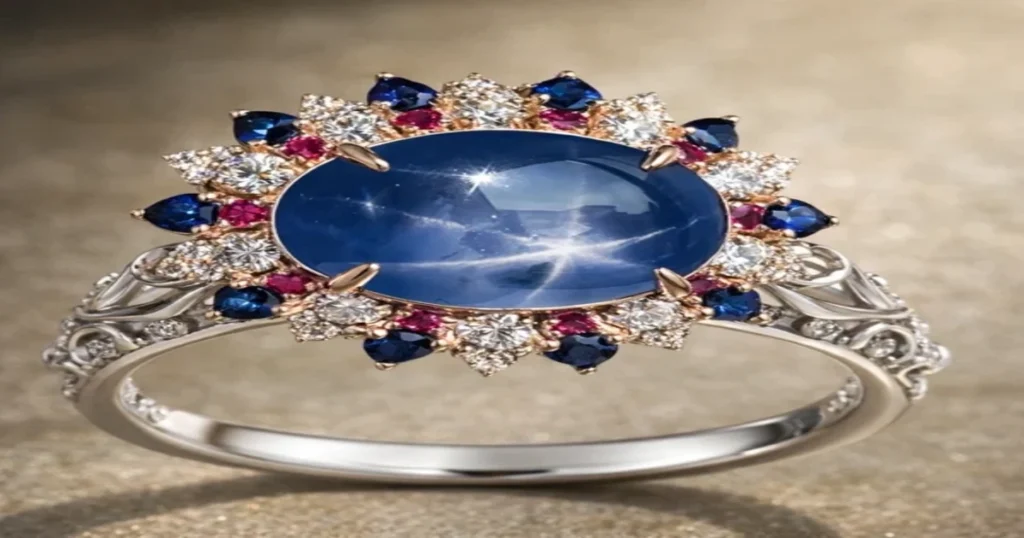
Sapphires are traditionally blue but come in various colors. Blue sapphires symbolize loyalty and trust—perfect for engagement stones.
Real-world example
Princess Diana’s sapphire engagement ring (now worn by Kate Middleton) significantly increased sapphire popularity worldwide. Jewelers reported a 300% spike in sapphire engagement ring demand after its public appearances.
Pro tip
If you want a ring that stands out in a crowd, choose emerald. If you prefer timeless elegance, sapphire is the safer bet.
What settings work best for emerald vs sapphire rings?
The setting can make or break your gemstone’s longevity.
Best settings for emeralds
- Bezel setting for maximum protection
- Halo setting to reduce impact exposure
- Avoid high prong settings
Best settings for sapphires
- Prong setting for maximum sparkle
- Channel setting for durability
- Pavé accents for added brilliance
Expert insight
Jewelers in Las Vegas often recommend bezel settings for emerald rings due to the city’s active lifestyle and frequent travel.
Actionable checklist
- Choose protective settings for softer stones
- Avoid exposed edges for emeralds
- Balance sparkle and security for sapphires
What are the latest trends in gemstone rings (2026–2027)?
The emerald vs sapphire debate is evolving with new trends shaping buyer preferences.
Key trends
Colored engagement stones
More buyers are moving away from traditional diamonds toward colored gemstones.
Vintage-inspired designs
Art deco and antique styles are making a comeback, especially with emerald cuts.
Sustainable sourcing
Ethically sourced gemstones are becoming a priority. Around 70% of buyers now consider sustainability when purchasing jewelry.
Mixed gemstone rings
Combining emeralds and sapphires in one design is gaining popularity.
Real-world example
A Las Vegas boutique introduced dual-stone rings featuring both emerald and sapphire. These designs sold out within three months, highlighting demand for unique combinations.
Pro tip
If you want a future-proof design, consider combining both gemstones in a single ring.
How do you choose the right gemstone for your lifestyle?
Ultimately, the emerald vs sapphire decision comes down to how you live your daily life.
Lifestyle-based recommendations
For active professionals
Choose sapphire for durability and low maintenance.
For style-focused individuals
Choose emerald for its bold, luxurious appearance.
For budget-conscious buyers
Sapphire offers better long-term value.
For collectors and enthusiasts
Emeralds provide uniqueness and rarity.
Common mistakes to avoid
- Choosing based only on color
- Ignoring durability needs
- Overlooking maintenance costs
Actionable framework
Ask yourself:
- Will I wear this daily?
- Can I maintain it properly?
- Does it match my personal style?
Your answers will guide the right choice.
Call to Action:
Are you ready to find the perfect engagement ring that fits your unique style? Explore our collection of oval and emerald-cut diamonds to discover the one that best suits you.
What Our Clients Are Saying
At DiamondNColors, we take pride in delivering exceptional service and exquisite jewelry. From diamond rings, engagement rings, and bracelets to gemstone pieces and more, our clients’ experiences speak for themselves. Explore our genuine testimonials to see how we bring elegance and quality to every piece, and share your own feedback here.
Conclusion
The emerald vs sapphire debate isn’t about which gemstone is objectively better—it’s about which one aligns with your priorities.
Sapphire wins in durability, practicality, and long-term value. Emerald excels in uniqueness, luxury appeal, and bold aesthetics. Both are exceptional engagement stones when chosen strategically.
Before making your decision, evaluate your lifestyle, budget, and design preferences. If you want a worry-free daily ring, sapphire is the clear winner. If you’re drawn to distinctive beauty and don’t mind extra care, emerald is worth the investment.
Your next step? Visit a trusted jeweler, compare both stones in person, and see which one resonates with you. The right choice isn’t just logical—it’s personal.
FAQ Section
1. Which is better: emerald vs sapphire for engagement rings?
Sapphire is generally better for engagement rings due to its durability and scratch resistance. Emeralds are more delicate but offer a unique, luxurious look.
2. Are emerald rings suitable for daily wear?
They can be worn daily, but they require extra care and protective settings. They are not as durable as sapphire rings.
3. Is sapphire more expensive than emerald?
Not always. High-quality emeralds can be more expensive due to rarity, but sapphires often provide better value for everyday wear.
4. What is the most durable gemstone for rings?
Sapphire is one of the most durable gemstones, second only to diamonds, making it ideal for daily wear jewelry.
5. Can you combine emerald and sapphire in one ring?
Yes, mixed gemstone rings are trending and offer a unique, personalized design.
6. Which gemstone holds value better?
Both can hold value, but untreated, high-quality emeralds are often rarer. However, sapphires offer better long-term usability.
7. How do I maintain gemstone rings?
Clean regularly, avoid harsh chemicals, and schedule professional inspections to ensure longevity.