Diamonds have a unique way of capturing attention. Whether it’s the twinkle of an engagement ring on your partner’s hand or the brilliance of a luxury jewelry piece passed down through generations, diamonds possess a magical quality that few gemstones can match. Many buyers, however, focus almost exclusively on carat weight as the main indicator of beauty, overlooking the other factors that truly influence a diamond’s sparkle.
When shopping for a diamond—whether for a wedding, a family heirloom, or a personal investment—it’s essential to understand what contributes to its brilliance, fire, and scintillation. Understanding these aspects allows you to confidently select a diamond that dazzles the eye while retaining its long-term value. This guide explores the science, historical context, market insights, and practical tips behind diamond sparkle, helping you make informed decisions and avoid common pitfalls.
What Is Diamond Sparkle, and Why Does It Matter?
Before diving into technical details, it’s important to define what “diamonds sparkle” actually means. When people admire a diamond, they are usually noticing three key components:
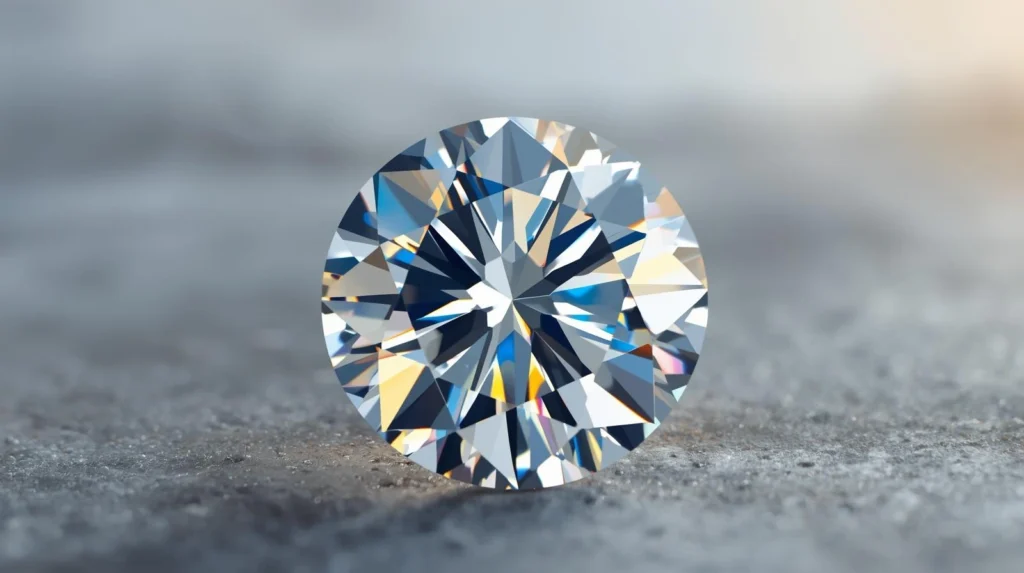
Brilliance: This is the white light reflected from the diamond’s surface, giving the stone its overall shine.
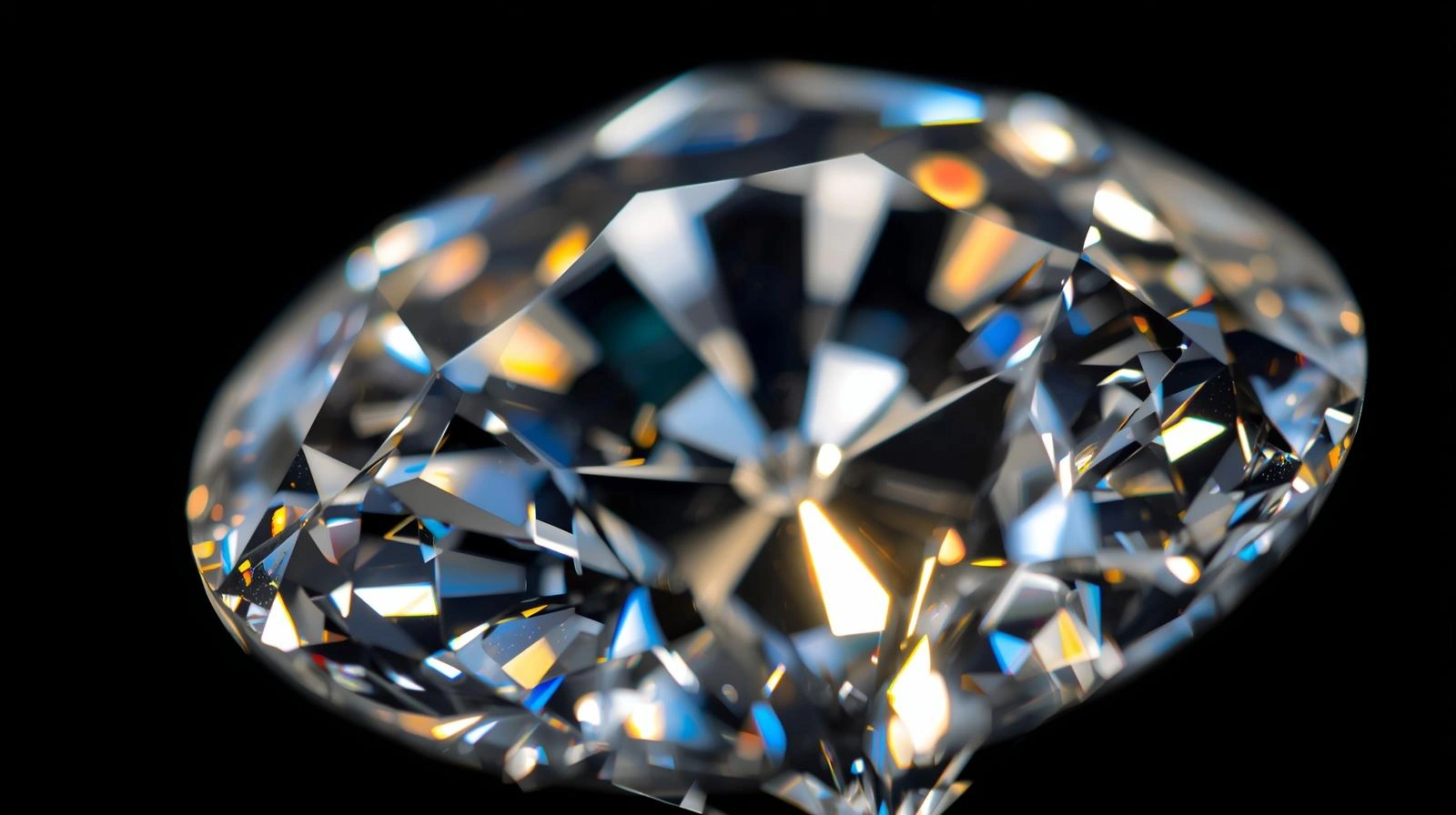
Fire: Fire refers to the colorful flashes of light produced by the dispersion of light as it passes through the diamond.
Scintillation: This is the sparkle seen when a diamond moves, highlighting shifting patterns of light across its facets.
Together, these elements produce the signature sparkle that defines a diamond’s beauty. Diamonds sparkle are a often to the brilliance,fire and scintillation. While carat weight often dominates conversations, it has far less impact on sparkle than many buyers assume.
Does Carat Weight Really Affect a Diamond’s Sparkle?
Carat weight measures a diamond’s size, not its brilliance. A larger diamond may draw the eye immediately, but size alone does not guarantee a stone will sparkle. A smaller diamond with an excellent cut can often outperform a larger, poorly cut diamond in brilliance, fire, and scintillation.
For instance, a 0.9-carat diamond with an “Excellent” cut can appear more luminous than a 1.5-carat diamond with a “Fair” cut. This is why understanding the relationship between cut and sparkle is far more important than chasing size.
Pro Tip: Always focus on cut quality over carat weight. Diamond certification are a major factor for the buyers.Even a smaller diamond can outshine a larger one if its facets are perfectly proportioned to reflect light.
How Diamond Cut Shapes Sparkle
The cut of a diamond are arguably the most influential factor in determining its sparkle. The cut dictates how light enters, reflects within, and exits the stone. A well-cut diamond maximizes brilliance, fire, and scintillation, while a poorly cut diamond can appear dull, regardless of its size or color.
Diamond Shapes and Sparkle
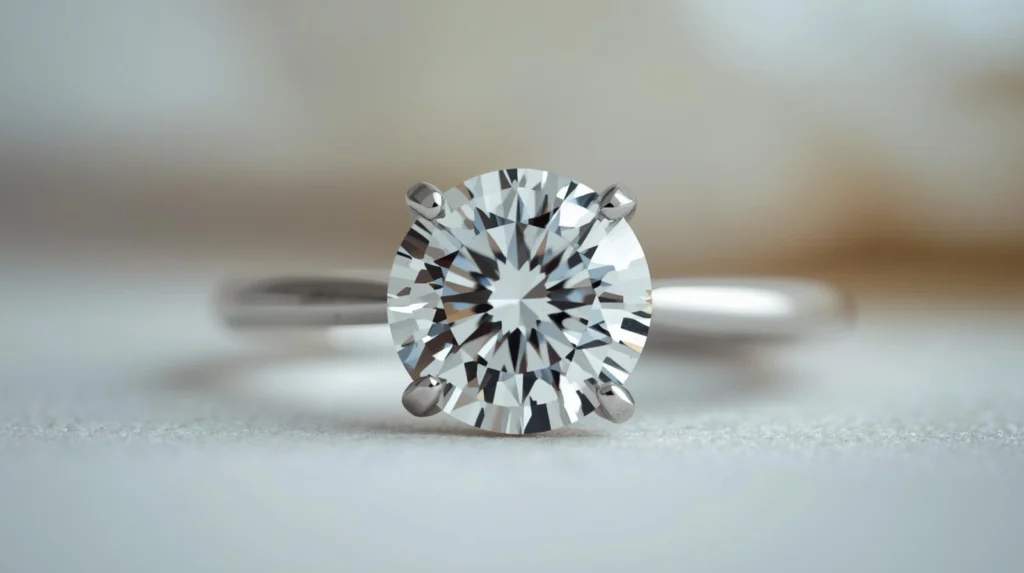
Round Brilliant Cut: Designed with 58 facets, this cut maximizes light reflection and creates exceptional sparkle.
Oval, Pear, and Marquise Cuts: These elongated shapes can mask slight color tints and create the illusion of size, but proportion and symmetry remain critical.
Cushion or Princess Cuts: Offer unique sparkle patterns and surface area, sometimes making the diamond appear larger than its carat weight suggests.
Example: A 1-carat round diamond with an “Excellent” cut grade will display superior sparkle compared to a larger diamond with a lower cut grade.
Expert Insight: Prioritize cut grade when evaluating a diamond for sparkle. A well-cut smaller diamond consistently outperforms a larger, poorly cut stone.
Diamond Proportions and Light Performance
Proportions are the specific angles and dimensions of a diamond that control how light travels through the stone.Light traveling in the diamonds of stone. Proper proportions allow light to enter through the crown, reflect off the pavilion (bottom), and return to the viewer’s eye. If a diamond is too shallow or too deep, light may escape, diminishing brilliance and fire.
Crown Angle: Too steep can cause light leakage from the bottom.
Pavilion Angle: Too shallow may allow light to escape from the sides, reducing sparkle.
Pro Tip: Always look for diamonds with “Ideal” or “Excellent” proportions. This ensures maximum light return and prevents dull areas.
Symmetry: The Secret to Even Sparkle
Symmetry refers to how precisely a diamond’s facets are aligned. Poor symmetry scatters light, producing uneven sparkle across the stone. Diamonds are graded from “Fair” to “Excellent,” with stones exhibiting excellent symmetry delivering consistent brilliance throughout.
Example: A diamond with excellent symmetry has facets that work in harmony to create uniform sparkle. In contrast, poor symmetry can make a diamond look dull in some areas, even if the cut is technically good.
Expert Insight: Always consider symmetry when buying a diamond. Even a well-cut stone can appear less brilliant if its facets are misaligned.
How Clarity Affects Sparkle
Clarity measures inclusions (internal flaws) and blemishes (surface imperfections).Clarity are less critical for sparkle than cut or proportions, significant inclusions can obstruct light and reduce brilliance.
Flawless (FL) Diamonds: They are extermely rare and allow light reflection.
VS1-VS2 Diamonds: Near-perfect appearance with minimal inclusions visible to the naked eye.
SI1-SI2 Diamonds: Contain minor inclusions but can still deliver excellent sparkle at a more accessible price.
Pro Tip: Don’t overspend on flawless clarity unless necessary. Slight inclusions usually do not affect sparkle under normal viewing conditions.
Can Diamond Color Impact Sparkle?
Color ranges from D (colorless) to Z (light yellow or brown). Colorless diamonds allow more light to pass through, enhancing brilliance and fire. Slightly tinted diamonds (G-H) may appear nearly as sparkly, particularly when set in complementary metals such as platinum or white gold.
Example: A G-color diamond in a platinum setting can appear as brilliant as a D-color diamond, delivering better value without compromising sparkle.
Pro Tip: For the best sparkle-to-value ratio, aim for D-G color grades and select settings that enhance visual appeal.
Lighting Conditions and Sparkle Perception
Lighting influncings that how diamonds are looked. Natural sunlight highlights brilliance and fire, while dim or soft artificial light can reduce sparkle. The viewing angle also affects perception, so it’s important to evaluate diamonds under multiple lighting conditions.
Expert Insight: Always assess diamonds in different lighting to understand their true sparkle before purchasing.
Historical Context: Why Sparkle Matters
Standardized diamond evaluation emerged in the early 20th century. The Gemological Institute of America (GIA) pioneered the modern cut grading system to bring transparency and objectivity to diamond purchasing. Before this, buyers relied on jewelers’ reputations, often resulting in inconsistent quality assessments.
Today, diamonds are consist on cut,color,calarity and weight with additional attention to proportions, symmetry, and polish. Historical context reinforces the importance of sparkle, as a well-documented stone retains both aesthetic and investment value over generations.
Market Insight: Buying Smart in a Volatile Market
Diamond demand fluctuates with economic trends and fashion preferences. Round brilliant diamonds remain consistently popular, while mid-tier color grades like G-H are in high demand for their balance of sparkle and affordability. Buyers who understand the science of sparkle can identify diamonds that hold value and appeal over time.
Example: During economic uncertainty, buyers may select slightly tinted diamonds with excellent cut, maximizing sparkle without overspending. Market monitoring and weekly price insights help make informed purchases for investment or family heirlooms.
Pro Tip: Track diamond market trends and pricing changes to purchase wisely.
Human-Interest Stories: Sparkle Beyond Size
Consider a father selecting an engagement ring for his daughter. While carat size matters, the sparkle of the diamond ensures the ring feels extraordinary. A smaller diamond with superior cut, symmetry, and clarity can create lasting emotional impact.
Passing down diamonds as family heirlooms further highlights the importance of sparkle.A diamonds sparkle and cut maintains the brilliance. A well-cut diamond maintains brilliance over generations, preserving both aesthetic appeal and sentimental value.
Conclusion
Diamond sparkle is the result of multiple interrelated factors: cut, proportions, symmetry, clarity, color, and lighting conditions. While carat weight may initially capture attention, the true beauty lies in how light interacts with the diamond. Understanding these factors, considering historical grading standards, and being aware of market dynamics allows buyers to make confident, informed decisions.
Whether purchasing for personal enjoyment, gifting to loved ones, or investing in a long-term asset, focusing on sparkle ensures a diamond that delights the eye and retains value.Diamonds sparkle have a great impact in the worth. Ultimately, the best diamond is one that balances technical excellence with personal meaning, shining brilliantly both visually and emotionally.
FAQs
1. Does a larger diamond always have more diamond sparkle?
Not necessarily. A smaller diamond with a superior cut can produce more diamond sparkle than a larger, poorly cut stone. Proper proportions and symmetry are what really bring out the diamond sparkle.
2. How do I know if a diamond has good diamond sparkle?
Look for “Excellent” or “Ideal” cut grades and well-balanced proportions. These factors maximize diamond sparkle, making the stone appear lively and bright in various lighting conditions.
3. Is diamond clarity important for diamond sparkle?
Yes, clarity can influence diamond sparkle, though it’s less critical than cut. Large or numerous inclusions may slightly reduce brilliance, but a well-cut diamond can still deliver stunning diamond sparkle.
4. Can lighting affect how diamond sparkle appears?
Absolutely. Diamonds reveal their full diamond sparkle in natural light, while dim or uneven lighting may make the sparkle less noticeable.
5. How can I choose a diamond with the best sparkle?
Prioritize cut, proportions, and symmetry to enhance diamond sparkle. Then balance clarity and color according to your budget to get a stone that shines beautifully in all settings.