When it comes to buying a diamond, a common question arises: Should I buy a natural diamond or a lab-grown diamond? This are a dilemma many diamond shoppers face, especially when budgets are tight and the allure of luxury calls. Imagine this: you’ve fallen in love with a sparkling diamond ring, but when you check the price, your budget is a little more “stressed” than the diamond itself.
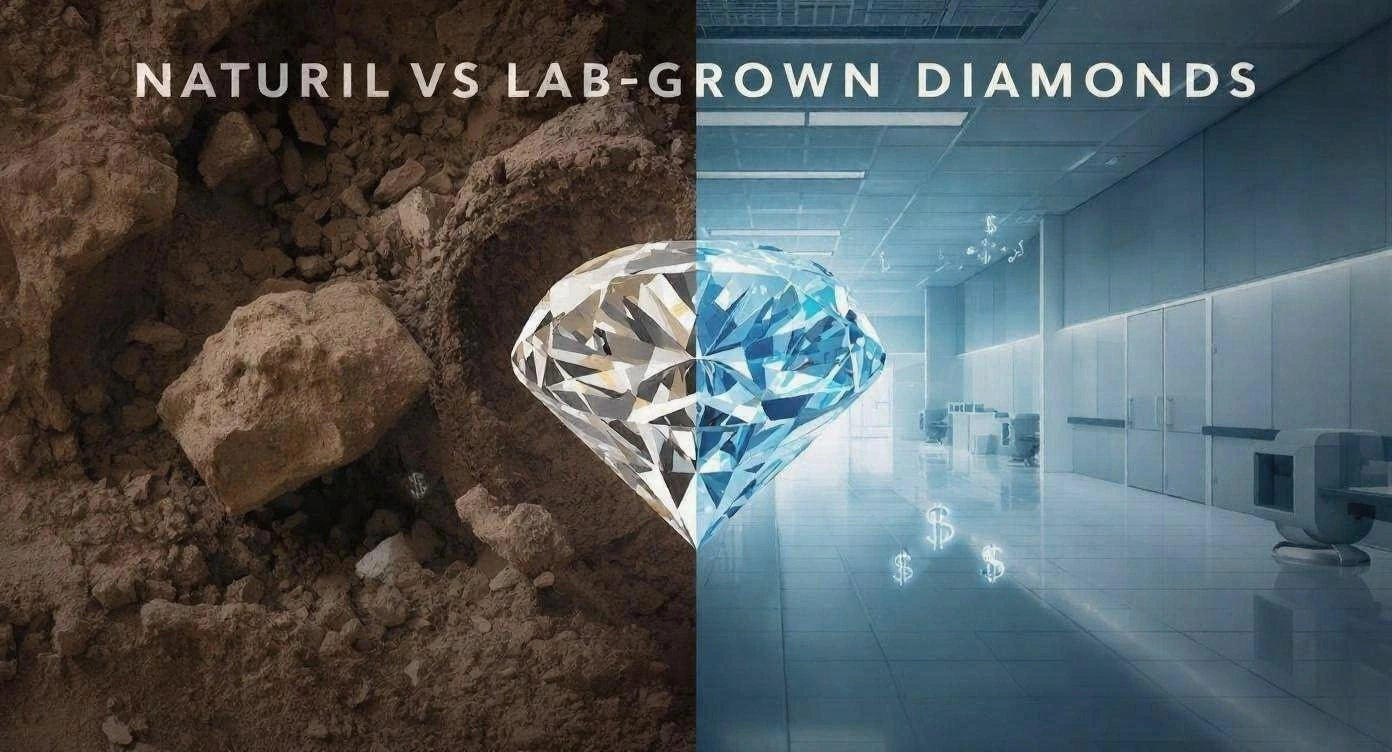
Natural vs Lab-Grown Diamonds has become a significant decision for today’s diamond shoppers. Many buyers are now questioning whether the high cost of natural diamonds is truly justified when lab-created options offer similar sparkle at a fraction of the price. But is the lower cost really worth making the switch?
In this blog post, we’ll explore both options and help you decide which diamond makes the most sense for your budget. By the end, you’ll be empowered to make an informed decision that fits your style, values, and wallet.
Your Dream Jewelry, Designed Just for You!
Custom engagement rings, luxury colored gemstones, and diamond creations—crafted in Las Vegas by expert designers with 30+ years of experience. Call us now to make your vision a reality!
(702) 773-1747What Are the Key Differences Between Natural and Lab-Created Diamonds?
To fully understand whether a natural or lab-grown diamond is right for you, let’s first break down the essential differences.
Natu
Natural Diamonds: The Traditional Luxury
Natural diamonds are formed over billions of years under extreme pressure and temperature deep within the Earth’s crust. Their exclusivity are a key factor that gives them their worth. Only a small fraction of diamonds mined is of the quality suitable for jewelry, making them both precious and expensive.
Lab-Grown Diamonds: The New Wave
In laboratory there are using two method of lab-grown diamonds: High Pressure High Temperature (HPHT) and Chemical Vapor Deposition (CVD). These lab-created stones are made from the same carbon material as natural diamonds, and visually, it’s almost impossible to tell the difference between the two. Lab diamonds are not “fake”; they have the same chemical, physical, and optical properties as natural ones but can be made in a fraction of the time and at a significantly lower cost.
How Do Prices Compare: Lab vs Natural Diamonds?
Lab Diamond Pricing vs Natural Diamonds
The price gap is one of the largest factors driving consumers toward lab-created options. On average, lab-grown diamonds are 20-40% less expensive than their natural counterparts, and sometimes even more, depending on the size and quality.
For example, a 1-carat lab diamond might cost between $2,000 and $4,000, while a comparable natural diamond can cost upwards of $6,000 or more. This price gap are mainly due to the difference in rarity. Lab-grown diamonds can be mass-produced, making them much cheaper to source and sell.
What Drives the Price Difference?
Rarity: Natural diamonds are exceptional, and their worth reflects their small-scale availability. The mining process is also costly, involving labor, transportation, and sometimes environmentally harmful practices, which contribute to their high price.
Production Costs: Lab-created diamonds, while requiring sophisticated technology, do not carry the same overhead costs as natural stones. They can be produced on demand, making them a more affordable option for budget-conscious buyers.
Are Lab-Created Diamonds Real Diamonds?
Yes, lab-created diamonds are real diamonds. They have the same carbon structure and appearance as natural stones, and scientifically, they are considered identical. So when you ask, “Are adiamond is really?”the answer are clearly and absolutely.
The key distinction lies in how they’re made: natural diamonds take billions of years to form, while lab versions are created in just a few weeks. But as far as quality and durability go, there is no difference. Both types of diamonds score a perfect 10 on the Mohs hardness scale, meaning they are equally resistant to scratches.
How Do Lab Diamonds Compare to Natural Stones in Appearance?
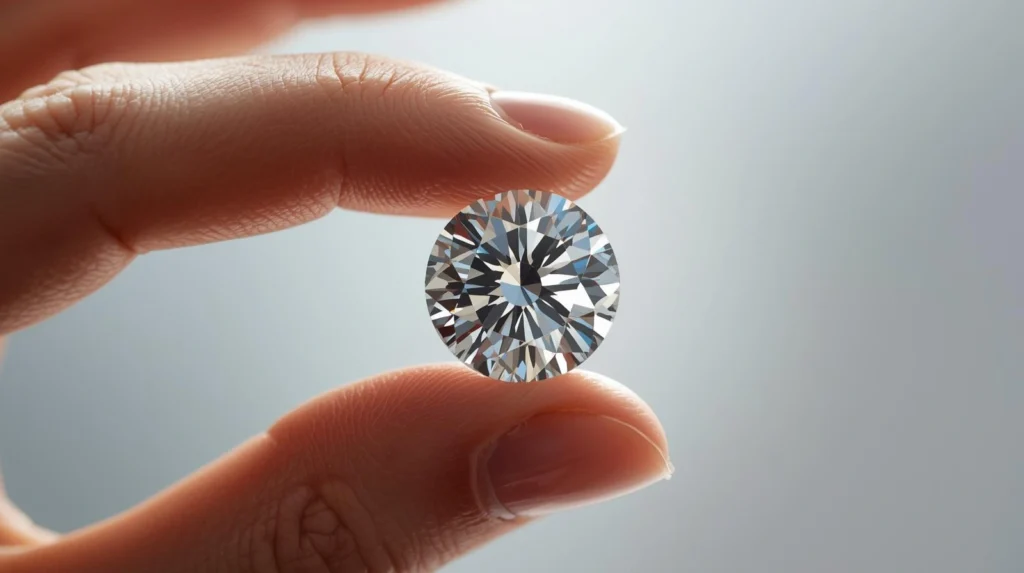
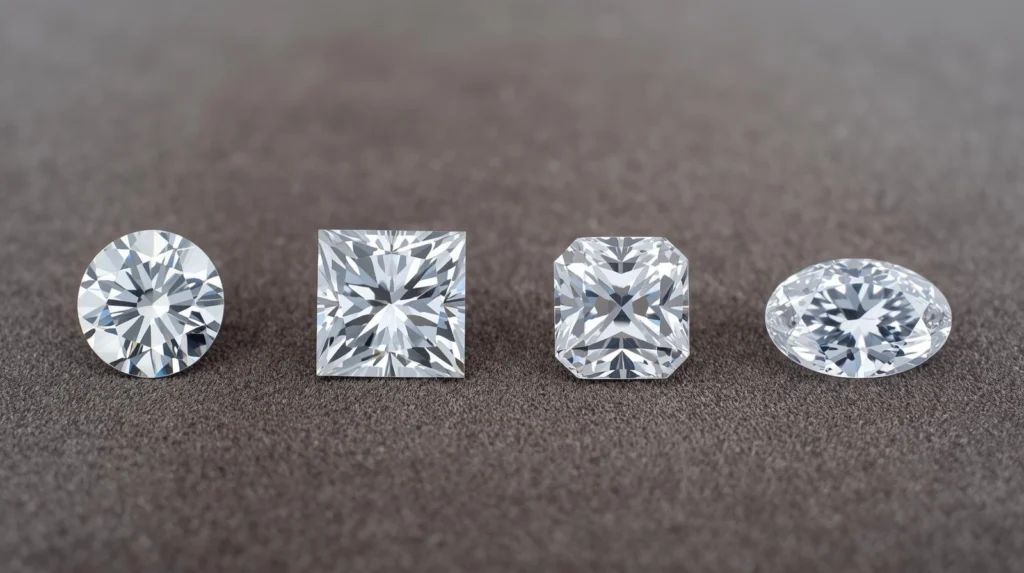
When it comes to sparkle and brilliance, natural and lab-grown diamonds is nearly identical. In fact, to the untrained eye, they look almost the same.
However, there are a few main differences:
Inclusions: While natural diamonds often contain trace amounts of other minerals (called inclusions), lab-created versions can sometimes have fewer inclusions because the controlled environment in which they’re grown is free of some of the natural conditions that cause them.
Color: Both types come in various colors, though lab versions is often clearer because the growth process is controlled. Still, some natural diamonds, especially those from famous mines, may have unique colorations that make them particularly valuable.
Certification: Both natural and lab-created diamonds are graded for their 4 Cs (color,cut,calarity and carat Weight) by gemological institutes. This grading ensures that the diamond’s value is accurately assessed.
Should You Be Concerned About the Ethical Impact of Your Diamond Choice?
Ethics are an important concern for many buyers today. Natural diamond mining can involve harmful environmental practices, and in some cases, it may involve exploitative labor practices. The term “blood diamond” or “conflict diamond” refers to diamonds mined in war zones, where profits are used to fund armed conflict.
Lab-created diamonds, on the other hand, are often seen as an ethical alternative. Since they are made in controlled environments, they don’t involve any mining or the ethical concerns that can come with it. Many buyers prefer this option for its lower environmental impact and greater transparency.
Pro Tip:
When buying any diamond, make sure it comes with a reputable certificate from institutions like the Gemological Institute of America (GIA) or the International Gemological Institute (IGI). These organizations provide insights into the diamond’s origin, whether natural or lab-grown.
Case Studies: Real Buyers, Real Choices
To describe a clear picture there are few example of natural and lab-grown diamonds.
Case Study 1: Sarah’s Engagement Ring
Sarah and her fiancé, Jake, had a modest budget for their engagement ring. After comparing natural and lab options, they found that they could get a 1-carat lab diamond for $3,500, compared to the $5,500 price tag of a natural stone of similar size. They opted for the lab version, which allowed them to upgrade to a bettercolor,cut and calarity, making the ring even more beautiful without going over budget.
Case Study 2: The Thompson Family’s Anniversary Gift
The Thompson family decided to gift their mother a diamond pendant for her anniversary. After some research, they realized that a 0.75-carat natural diamond would cost around $3,200, but a comparable lab option was available for only $1,800. They chose a lab version, benefiting from the ethical advantages and most importantly, the significant cost savings, enabling them to buy a larger and more stunning pendant.
What Are the Pros and Cons of Natural vs Lab-Grown Diamonds?
Let’s break down the key advantages and disadvantages of each option:
Natural Diamonds:
Pros:
- Timeless appeal with a rich history.
- A rare investment that may appreciate over time.
- Unique, with distinct characteristics.
Cons:
- High price tag due to rarity and mining costs.
- Environmental impact and ethical concerns associated with mining.
Lab-Grown Diamond:
Pros:
- Affordable, allowing you to purchase a larger or higher-quality stone.
- Ethical and environmentally friendly, with no mining involved.
- Identical in appearance and durability to natural versions.
Cons:
- May not have the same “story” or sense of rarity as natural diamonds.
- Some people are prefered by the traditional of natural diamonds.
Conclusion: Which Diamond Fits Your Budget and Values?
When decided between natural vs lab-grown diamonds, they chossely depend on your priortizes. If you is on a budget and looking for an ethically sourced option, lab diamonds are a smart, cost-effective choice. They offer the same beauty and durability at a fraction of the cost, with the added benefits of being much more eco-friendly.
However, if you’re drawn to the allure and tradition of owning a natural diamond—perhaps as an investment or for its timeless value then it might be worth the extra expense.
Whatever you choose, the key is to buy from a trusted retailer, ensure you get certification, and pick a diamond that makes sense for your values and budget.
FAQs
1. Are lab-grown diamonds as durable as natural diamonds when comparing natural vs lab-grown diamonds?
Yes, natural vs lab-grown diamonds both types are equally durable. They each rank 10 on the Mohs hardness scale, meaning they are highly resistant to scratches and suitable for everyday wear.
2. How much cheaper are lab diamonds than natural ones?
Lab-created diamonds are typically 20-40% cheaper than natural diamonds of the same size and quality.
3. Are lab-grown diamonds ethical compared to natural vs lab-grown diamonds?
Yes, lab-created diamonds are generally considered more ethical because they do not involve traditional mining, which can have environmental and human rights concerns.
4. Do lab-grown diamonds hold their value like natural diamonds?
No, lab-grown diamonds generally do not appreciate in value the way natural diamonds can.
5. How can I tell if a diamond is lab-grown or natural?
The only reliable way to tell the difference is through certification from a gemological laboratory. Some diamonds have inscriptions on their girdles indicating whether they are natural vs lab-grown diamonds.
6. Can lab-grown diamonds be used for engagement rings?
Absolutely! Lab-grown diamonds make stunning engagement rings, offering the same sparkle and durability as natural diamonds, often at a lower cost.
7. What is the environmental impact of lab-grown diamonds when comparing natural vs lab-grown diamonds?
Lab-grown diamonds generally have a significantly smaller environmental footprint compared to natural diamonds because they do not require large-scale mining operations that can disrupt ecosystems and landscapes.