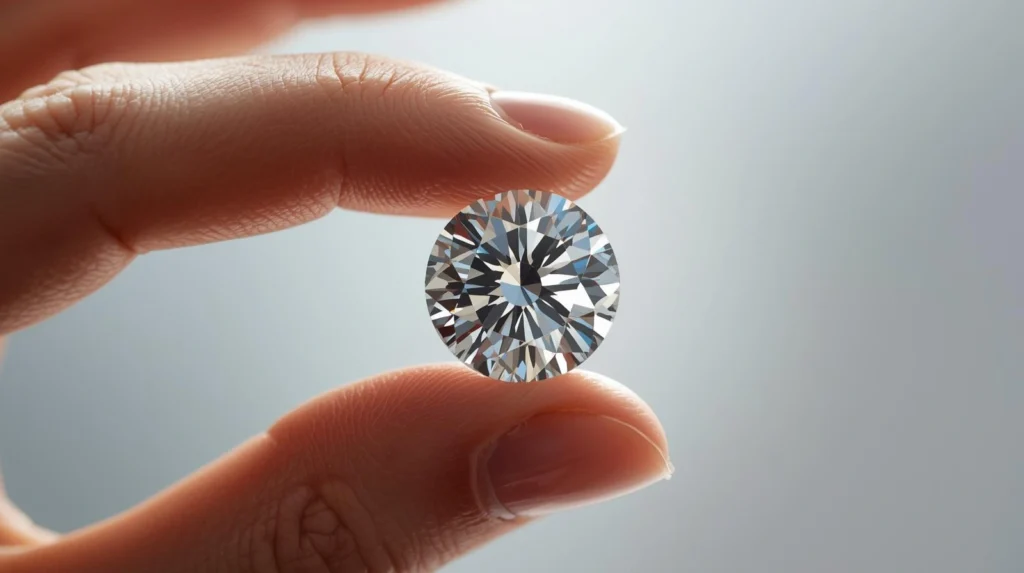
When choosing the perfect diamond for an engagement ring, carat weight are just one consideration. For many couples, the goal is simple: enhance the visual effect without going over budget. That’s why understanding which Diamond Shape Looks Biggest becomes so important. Because of different shapes and proportions, the same carat diamond may appear substantially larger or smaller on your finger. Knowing how the right diamond shape influences visual size helps you make a smart, confident, and budget-friendly choice.
You may make an informed, confident choice whether you’re planning a family heirloom, proposing, or giving it as a gift by knowing how shape, cut, and setting interact. In this post, we’ll analyze the most common diamond shapes, talk about how they impact visual size, and provide practical advice for choosing the diamond shape that appears to be the largest within your budget.
Your Dream Jewelry, Designed Just for You!
Custom engagement rings, luxury colored gemstones, and diamond creations—crafted in Las Vegas by expert designers with 30+ years of experience. Call us now to make your vision a reality!
(702) 773-1747What Factors Affect How Big a Diamond Looks?
Even if two diamonds have the same carat weight, they can appear dramatically different on the finger. These are the main factors that influence size perception:
1. Shape and Cut
A diamond’s face-up size is directly influenced by its general form. Oval, marquise, or pear-shaped diamonds, for instance, are examples of elongated cuts that span across the finger to give the impression of a larger stone. Even though round diamonds are classic and brilliant, their symmetry reduces their surface area, making them appear smaller when facing up.
A good diamonds have a precious worth.A well-chosen shape that maximizes surface area can enhance visual size without increasing carat weight, giving buyers more impact for less money. This is the essence of the diamond shape looks biggest principle.
2. Depth and Table Size
A diamond’s depth and table, or proportions, also affect how large it appears. Wide table shallow diamonds appear larger because they reflect more light across their surface. However, even if two deep diamonds have the same carat, they may appear smaller from above.
When shopping, knowing table size and depth percentages might help you achieve the greatest impact with the diamond shape.
3. Setting Style
Size can be enhanced via optical illusions produced by the diamond’s setting. Smaller stones or exposed metalwork encircle the main diamond in halo or prong settings, giving the appearance of a larger diamond. The ideal setting enhances the diamond’s inherent spread and strengthens the shape’s most prominent appearance.
Which Diamond Shape Looks Biggest for Its Carat Size?
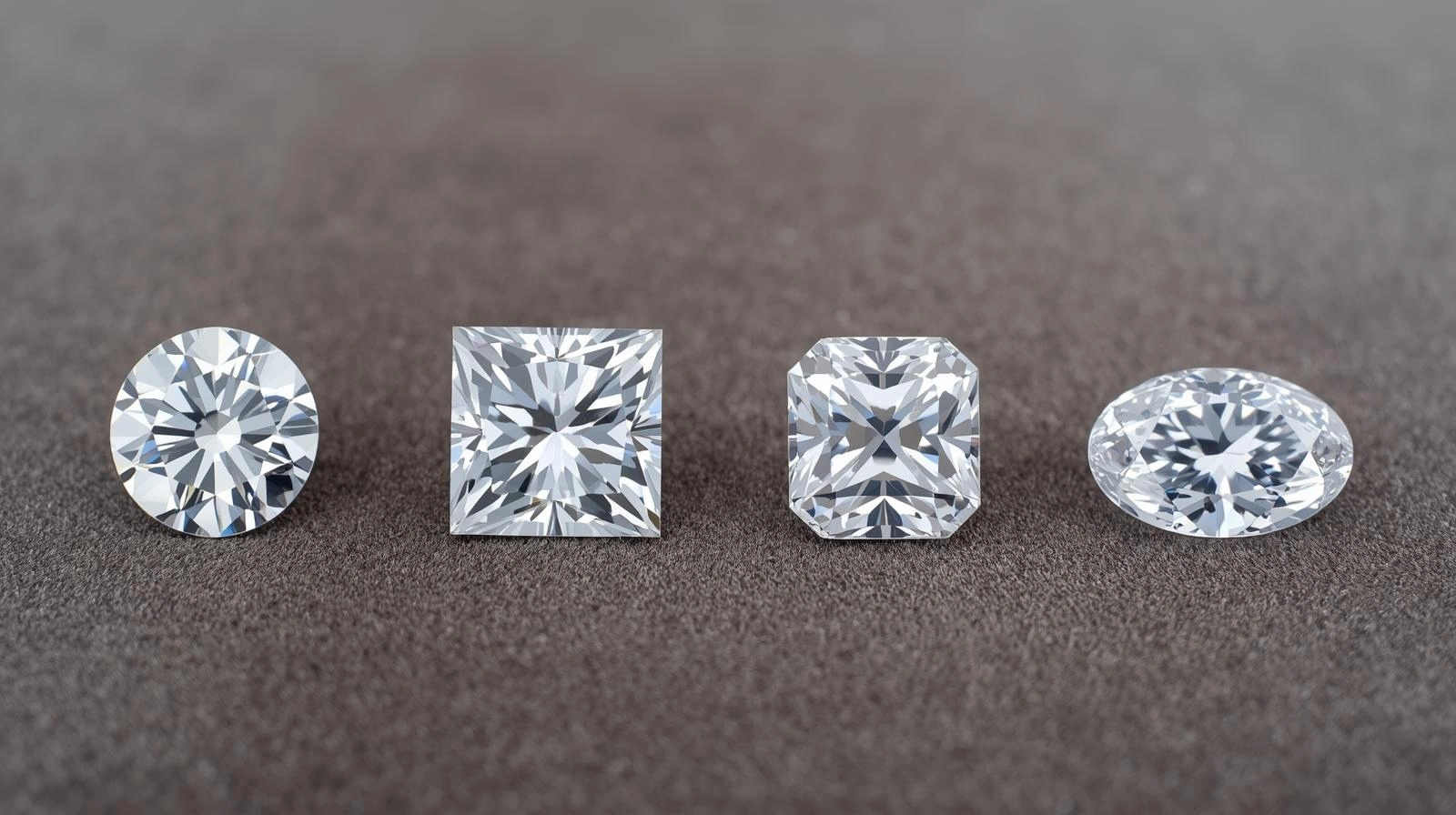
Not all shapes create the same visual impact. Here’s how popular cuts compare:
Oval vs Round Diamond
Round diamonds have a good look due to their brilliance and versatility.lityHowever, their symmetry often makes them appear slightly smaller compared to elongated shapes.
In contrast, oval diamonds appear up to 20% larger than a round diamond of the same carat because of their elongated shape, which maximizes surface area. For couples looking for the most visual impact at a reasonable price, oval diamonds are great.
Pro Tip: If your priority is a ring that looks big without adding extra carat weight, oval diamonds are one of the most reliable options for achieving the diamonds shape looks biggest effect.
Pear-Shaped Diamonds
Pear-shaped diamonds looking a very beautiful and uniqueness.Pear-shaped diamonds blend round and marquise elements, tapering elegantly to a point. This unique form spreads across the finger and enhances surface area, making the diamond appear bigger than a round diamond of the same carat.
A 1-carat pear diamond often looks larger than a 1-carat round diamond. This makes pear shapes a smart choice for buyers seeking diamonds shape looks biggest impact on a moderate budget.
Marquise Diamond
Marquise diamonds are often called the ultimate “size-illusion” cut. Their elongated, football-like shape stretches across the finger and maximizes surface area. Many couples choose marquise diamonds when aiming for the largest visual effect without increasing carat weight.
Pro Tip: Marquise diamonds are can appear up to 30% larger than a round diamond of the same carat, making them ideal for anyone prioritizing size perception. The combination of length and narrow width creates the classic diamonds shape looks biggest impression.
Cushion Cut Diamond
Cushion cut diamonds combine square and rounded edges, often called “pillow cuts.” They feature a broad table that maximizes surface area, but their greater depth can make them appear slightly smaller face-up than oval or marquise shapes.
A 1-carat cushion cut diamond are may not appear as large as an elongated shape, but it offers an appealing balance of elegance, sparkle, and value. Cushion cuts remain popular because they strike a compromise between visual size and classic brilliance.
Emerald Cut Diamond
Emerald cuts have step-cut facets and are rectangular in shape, giving them a sophisticated yet subtle appearance. Despite having a huge table surface, they frequently appear smaller face-up than oval or marquise diamonds due to their elongated shape and step cuts. Emerald cuts are a classic option for consumers looking for refinement rather than maximal size.
Princess Cut Diamond
Princess cut diamonds is square with sharp corners, providing brilliance and good face-up size. Princess cut diamonds have a brilliance shinnings. They appear slightly smaller than elongated shapes but often cost less per carat than round diamonds. The diamond shape looks biggest effect is moderate in this cut but still provides excellent value for money.
Practical Tips for Maximizing Visual Size
To get the largest appearance for your budget:
- Focus on Elongated Shapes: Oval, pear, and marquise cuts consistently deliver the diamonds shape looks biggest impact.
- Prioritize Cut Quality: Even the largest carat appears smaller if cut poorly. A well-cut diamond reflects light better, increasing sparkle and perceived size.
- Consider the Setting: Halo and prong settings amplify visual size, complementing the natural spread of the diamond.
- Mind Depth and Table Ratios: Shallow diamonds with wide tables maximize face-up size.
- Budget Wisely: Choosing a slightly smaller carat in an elongated shape can save money while maintaining impact.
Market Insight: Diamond Value and Size Perception
Carat, color, and clarity all affect diamond costs. Practical financial advantages are offered by shapes that optimize apparent size without boosting carat weight. Purchasing a diamond that appears larger allows customers to redirect their money toward:
- Superior cut quality
- Higher color grade
- Premium setting craftsmanship
The diamond shape looks biggest principle ensures buyers get emotional satisfaction, aesthetic appeal, and smart financial decisions simultaneously.
Conclusion
When selecting a diamond cut, there are both financial and sentimental considerations to make. For clients seeking the most visual impact, the diamond form always looks best in elongated designs like oval, marquise, and pear. These shapes allow couples to appear larger without going over budget, while also emphasizing the importance of cut and brilliance over diamond weight alone. Additionally, choosing the right form increases long-term value, making these diamonds ideal for family heirlooms or enhancements for the following anniversary.
Knowing which diamond shape seems largest gives purchasers the ability to make confident and well-informed choices. In addition to adding visual size and brightness, extended cuts strike a balance between style and economical practicality. Couples and families can enjoy diamonds that combine breathtaking beauty, durability, and long-lasting worth for generations by concentrating on this principle.
FAQs
1. Which diamond shape looks biggest?
Oval and marquise cuts usually give the Diamond Shape Looks Biggest effect because their elongated design increases surface area and makes the stone appear larger on the finger.
2. Does oval look bigger than round?
Yes, an oval diamond often appears up to 20% larger than a round cut of the same carat, making it a top choice for the Diamond Shape Looks Biggest look.
3. Is marquise the largest-looking cut?
Marquise diamonds can appear up to 30% larger than round cuts, which strongly supports the Diamond Shape Looks Biggest principle for maximum visual impact.
4. Do pear diamonds appear bigger?
Yes, pear-shaped diamonds spread beautifully across the finger, helping achieve the Diamond Shape Looks Biggest appearance without increasing carat weight.
5. Does setting affect diamond size look?
Absolutely. Halo and prong settings enhance light reflection and spread, supporting the Diamond Shape Looks Biggest effect even with moderate carat weight.
6. Why round diamonds look smaller?
Round diamonds focus more on brilliance than spread. Their symmetry reduces face-up area, so they may not deliver the Diamond Shape Looks Biggest illusion.
7. How to maximize diamond visual size?
Choose elongated cuts, prioritize cut quality, and select a smart setting. These strategies naturally help create the Diamond Shape Looks Biggest appearance within budget.