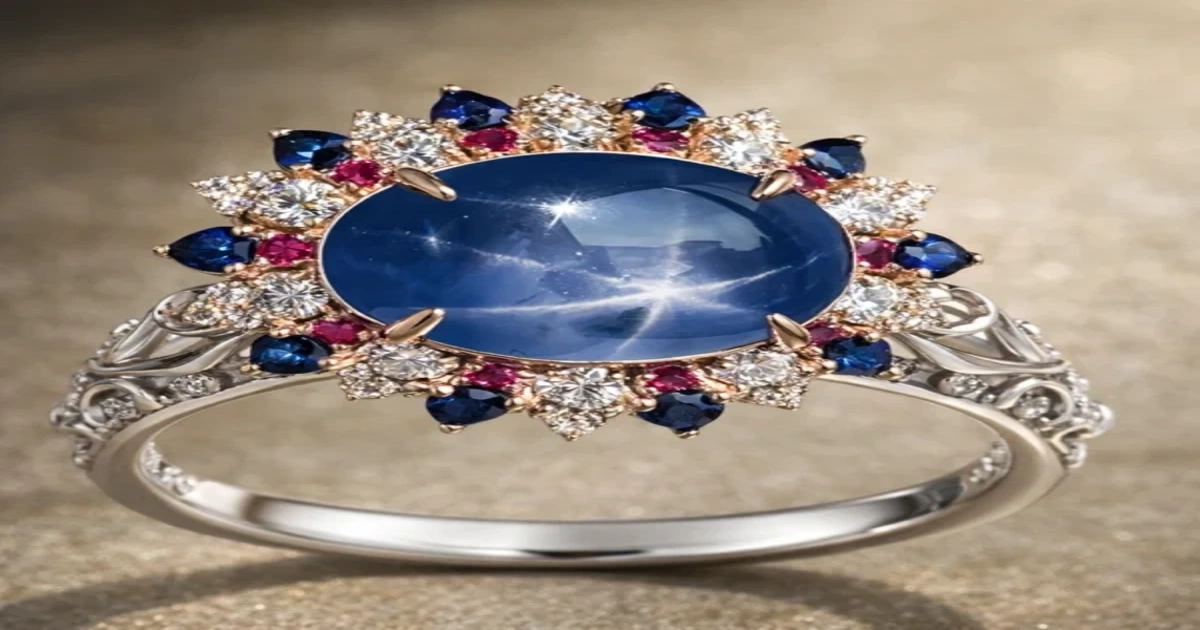
In today’s evolving luxury market, High Jewelry is no longer limited to diamonds. While diamonds, emeralds, and sapphires remain timeless pillars, modern Jewelry increasingly embraces rare and vibrant gemstones like Paraiba tourmaline, spinel, opal, and alexandrite.
This shift reflects changing consumer psychology, global luxury trends, sustainability awareness, and investment diversification strategies. If you’ve seen recent luxury collections, you may have noticed that diamonds are no longer the only ones taking center stage. These days, color is speaking the language of luxury too.
Let’s explore what this transformation means for collectors, investors, and jewelry enthusiasts.
Your Dream Jewelry, Designed Just for You!
Custom engagement rings, luxury colored gemstones, and diamond creations—crafted in Las Vegas by expert designers with 30+ years of experience. Call us now to make your vision a reality!
(702) 773-1747What Is Luxury Jewelry?
Luxury Jewelry (Haute Joaillerie) refers to one-of-a-kind or extremely limited-edition jewelry pieces crafted using rare gemstones, exceptional design, and master-level craftsmanship.
Key Characteristics of Jewelry:
- Uses rare or investment-grade gemstones
- Often handcrafted over hundreds of hours
- Produced in limited quantities
- Combines artistic design with gemological excellence
- Frequently showcased in private collections or luxury exhibitions
Historically, luxury Jewelry centered on diamonds and the “big three” — ruby, sapphire, and emerald. Today, its identity is expanding through the inclusion of unconventional colored gemstones.
Why Is Color Suddenly Becoming So Important in High Jewelry
Color is rising in ewelry because modern buyers prioritize individuality, emotional symbolism, ethical sourcing, and alternative luxury investments.
Now let’s explore the deeper factors.
1. Changing Consumer Preferences
Luxury buyers today are not just purchasing status — they are purchasing identity.
ModernDesigner Jewelry clients increasingly seek:
- Unique gemstones
- Non-traditional engagement rings
- Personal symbolism
- Statement pieces over minimalism
- Rare colored gems with storytelling value
t’s not just about price anymore — it’s about personality
“What does this gemstone represent?”
Colorful gemstones offer individuality because no two stones display identical saturation, inclusions, or tone. That uniqueness aligns with modern luxury values of personalization and self-expression.
2. Designer Jewelry as Artistic Expression
Designers now treat gemstones like pigments on a canvas.
- Instead of building designs around a central diamond, Designer Jewelry houses are:
- Combining contrasting color palettes
- Creating ombré gemstone gradients
- Using unconventional gemstone cuts
- Incorporating rare stones into sculptural settings
This evolution transforms Fine jewelry into wearable art rather than purely ceremonial luxury.
3. Sustainability and Ethical Luxury
Ethical sourcing has become central to modern purchasing decisions.
- Consumers increasingly consider:
- Transparent gemstone supply chains
- Responsibly mined colored stones
- Lab-grown diamonds and sapphires
- Community-based mining initiatives
In many cases, colored gemstones originate from smaller-scale mining operations with clearer traceability. This strengthens emotional trust between buyer and product.
Sustainability is no longer optional — it is integrated into fine Jewelry value perception.
Market Comparison: Diamonds vs. Rare Colored Gemstones
To understand the investment shift, here is a simplified comparison:
| Feature | Diamonds | Rare Colored Gemstones |
|---|---|---|
| Market Stability | Historically strong | Moderate to high (rare stones) |
| Supply Control | Structured supply systems | Dependent on mine depletion |
| Price Volatility | Lower | Higher but stronger upside potential |
| Emotional Appeal | Classic and timeless | Expressive and distinctive |
| Auction Growth | Stable | Strong in ultra-rare categories |
In practical terms, this means rare stones can outperform traditional diamonds — but only when carefully selected.
Notable Investment Performers:
- Paraiba tourmaline (copper-bearing neon varieties)
- Alexandrite (color-change phenomenon)
- Imperial jadeite
- Untreated Burmese ruby
While diamonds remain foundational assets in fine Jewelry, select colored stones are achieving premium auction performance due to scarcity.
Which Colorful Gemstones Are Leading Rare gemstones jewelry?
Paraiba Tourmaline: Neon Luxury
Why it matters:
- Extremely limited mining regions
- Unique copper-based glow
- Strong global collector demand
For instance, imagine attending a formal event wearing a vivid Paraiba necklace. It instantly becomes a talking point — something a classic solitaire might not always achieve.
Spinel: The Quiet Luxury Stone
Once mistaken for ruby, spinel is now appreciated for:
- High brilliance
- Wide color spectrum
- Excellent durability
- Minimal treatment frequency
- Collectors value spinel for understated exclusivity.
Opal: Light in Motion
Opals display shifting “play-of-color” patterns.
Although softer than sapphire or ruby, advanced setting techniques allow opals to feature in statement fine Jewelry designs.
They appeal to buyers seeking ethereal elegance.
Alexandrite: Nature’s Optical Marvel
Alexandrite changes color:
- Green in daylight
- Red under incandescent light
Its rarity and dramatic optical shift make it a prized Jewelry centerpiece.
How Designers Are Using Color Strategically
1. Bold Gemstone Pairings
Modern rare Jewelry design embraces contrast:
- Emerald + pink tourmaline
- Sapphire + citrine
- Amethyst + peridot
These combinations create visual depth and emotional vibrancy.
2. Emotional Color Psychology in Luxury
Color communicates meaning:
- Red → Passion & power
- Blue → Calm & wisdom
- Green → Renewal & prosperity
- Purple → Spiritual awareness
luxury Jewelry now expresses personality, not just wealth.
Step-by-Step Guide: How to Start Collecting Colorful Rare gemstones jewelry
Step 1: Define Your Objective
- Investment
- Personal milestone
- Generational heirloom
Step 2: Study Rarity
Research:
- Geographic source
- Mine depletion reports
- Auction performance history
Step 3: Verify Certification
Always request:
- GIA, SSEF, or equivalent lab reports
- Treatment disclosure
Step 4: Assess Durability
Daily Wear Stones:
- Sapphire (Mohs 9)
- Ruby (Mohs 9)
- Spinel (Mohs 8)
Occasional Wear Stones:
- Opal
- Tanzanite
Step 5: Think Generationally
Jewelry often serves as:
- Wealth preservation
- Estate asset
- Symbolic legacy piece
Is Investing in Colored Gems a Smart Choice?
Rare, untreated colored gemstones in Highly Jewelry can offer strong long-term appreciation, but they require careful certification, provenance documentation, and quality evaluation.
Market Factors Influencing Value:
- Mine closures
- Geopolitical shifts
- Luxury demand cycles
- Treatment disclosure transparency
Balanced portfolios often combine:
- Investment-grade diamonds
- Select rare colored stones
This diversification reduces volatility exposure.
The Future of Luxury Jewelry: Lab-Grown Gems & Innovation
Lab-grown gemstones is entering Highly Jewelry collections.
They offer:
- Ethical transparency
- Reduced environmental impact
- Controlled clarity and color
However, natural untreated stones generally retain stronger resale performance in ultra-luxury markets.
Technological innovations also include:
- Advanced gemstone cutting precision
- Smart jewelry integration
- Invisible setting techniques
Luxury is becoming both artistic and technological.
Conclusion:
The evolution of High Jewelry toward vibrant, unconventional gemstones is more than a trend it signals a deeper shift in how luxury is perceived today. Buyers are no longer just seeking diamonds for status or investment; they are looking for pieces that tell a story, reflect individuality, and carry emotional meaning. Sustainability, ethical sourcing, and rarity are now equally important considerations alongside traditional brilliance.
Diamonds still remain the foundation of classic luxury, admired for their timeless elegance and enduring value. Yet, color has become transformative infusing personality, vibrancy, and a sense of artistic expression into every piece. Whether it’s the neon glow of a Paraiba tourmaline, the mystical hues of an opal, or the rare color-change magic of alexandrite, gemstones are no longer just ornaments they are extensions of identity.
FAQs
1. Is High Jewelry only made with diamonds?
No. High Jewelry includes rare colored gemstones such as alexandrite, Paraiba tourmaline, spinel, and jadeite. Exceptional craftsmanship and rarity define the category.
2. Are colored gemstones a good investment in High Jewelry?
Certain untreated rare gemstones in High Jewelry have demonstrated strong auction growth. Investment value depends on rarity, origin, and certification.
3. How do I authenticate High Jewelry pieces?
Always request independent gemological certification and documented provenance. High Jewelry without proper documentation carries higher risk.
4. Can High Jewelry with colored stones be worn daily?
Durable stones like sapphire, ruby, and spinel are suitable for daily High Jewelry wear. Softer stones require careful handling.
5. Are lab-grown gemstones accepted in High Jewelry?
Some contemporary High Jewelry houses incorporate lab-grown stones for ethical reasons, but natural rare gems maintain stronger collector demand.
6. What makes a gemstone suitable for High Jewelry?
Rarity, untreated status, superior color saturation, clarity, and exceptional craftsmanship determine suitability for High Jewelry.