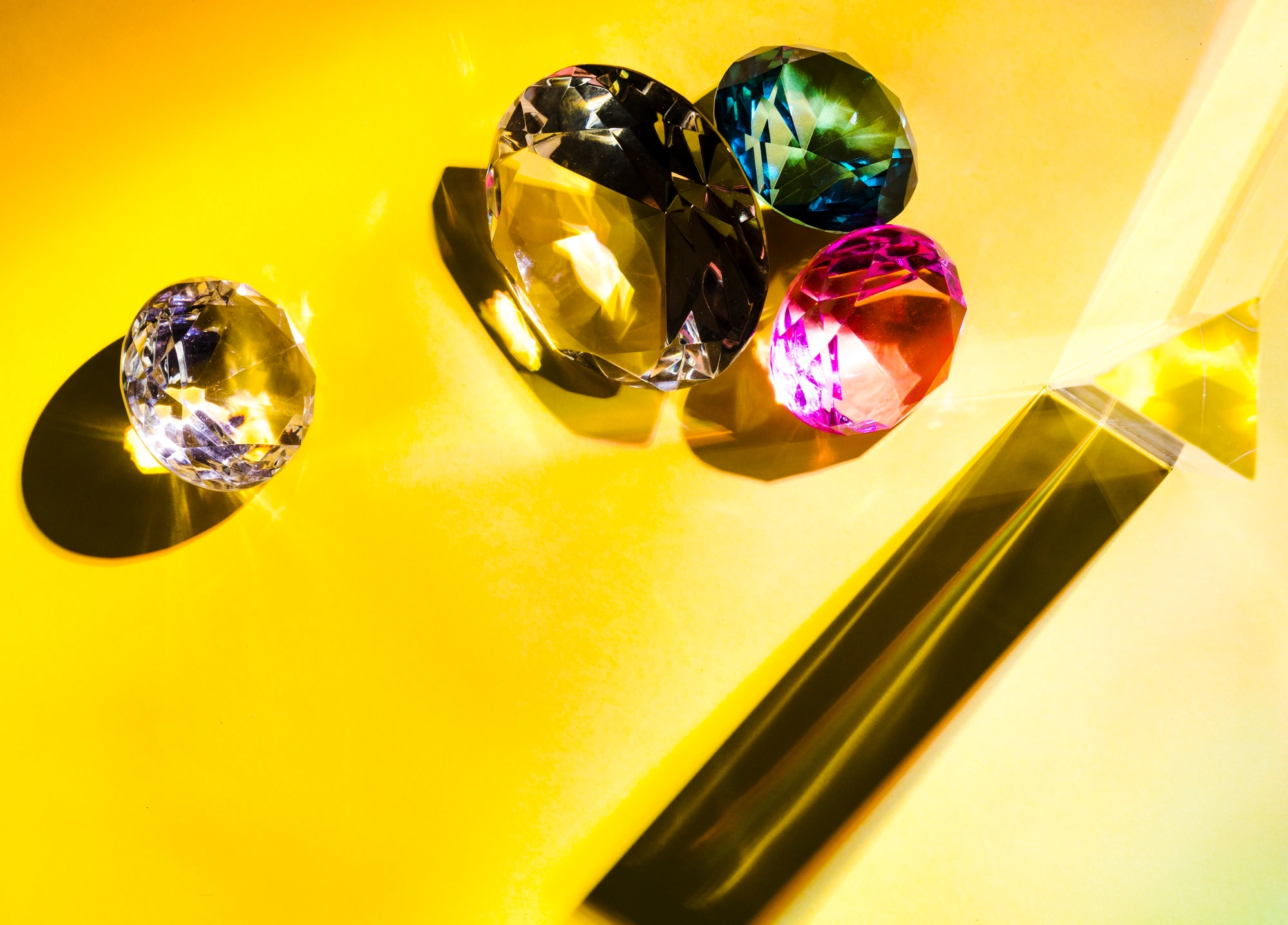
Introduction
Have you ever wondered why some diamonds sell for millions while others barely stand out—even if they look similar at first glance?
A few years ago, a vivid blue diamond sold at auction for over $57 million, shocking even seasoned investors. Meanwhile, most traditional white diamonds continue to fluctuate in value. The difference comes down to rarity, origin, and color intensity—factors many buyers don’t fully understand.
If you’re exploring rare colored diamond investments or simply want clarity before making a purchase, this guide breaks it all down. You’ll learn how fancy colored diamonds are formed, why blue, green, and red diamonds dominate the market, and how to evaluate them using a professional diamond colors guide.
By the end, you’ll know exactly what drives value—and how to avoid costly mistakes.
What makes a rare colored diamond truly valuable?
At its core, a rare colored diamond gets its value from three factors: rarity, color intensity, and market demand. Unlike traditional diamonds graded mainly on clarity and cut, fancy colored diamonds are evaluated primarily on color.
How color impacts value
Color grading ranges from faint to fancy vivid. The deeper and more saturated the color, the higher the value. For example, a fancy vivid blue diamond can be worth exponentially more than a pale blue one of the same size.
According to the Gemological Institute of America (GIA), fewer than 0.1% of diamonds mined exhibit natural fancy color. That alone makes them highly desirable.
Natural vs treated diamonds
Here’s where many buyers go wrong: not all colored diamonds are natural. Some are artificially enhanced through irradiation or heat treatment.
Natural rare colored diamonds:
- Extremely scarce
- Higher long-term value
- Certified by labs like GIA
Treated diamonds:
- More affordable
- Lower resale value
- Often used in fashion jewelry
Real-world example
The “Hope Diamond,” a famous deep blue diamond, remains one of the most studied gems in history. Its unique boron composition gives it that iconic color—and extraordinary value.
Pro Tip:
Always request certification from a recognized lab before purchasing. In Las Vegas, regulations require accurate disclosure of any treatments in gemstone sales, protecting buyers from misrepresentation.
Why are blue diamonds so rare and expensive?
Blue diamonds are among the most coveted rare colored diamonds, primarily because of their unusual formation process.
The science behind blue diamonds
Blue diamonds get their color from trace amounts of boron in their crystal structure. This element is rarely present in the Earth’s mantle, making these diamonds exceptionally scarce.
Pricing trends and demand
Blue diamonds consistently outperform other gemstones in auction markets. According to Sotheby’s, high-quality blue diamonds have appreciated by over 12% annually over the past decade.
Case study: The Oppenheimer Blue
Sold for $57.5 million, this 14.62-carat fancy vivid blue diamond set a record price per carat. Its flawless clarity and intense color made it a benchmark for collectors worldwide.
What to look for when buying
If you’re considering a blue diamond:
- Focus on color intensity first
- Check for even color distribution
- Prioritize certified stones
Expert Insight:
In Las Vegas luxury markets, blue diamonds are often featured in high-end auctions and boutique jewelers due to their investment-grade appeal.
How do green diamonds form and are they safe to buy?
Green diamonds stand out not just for their color, but for how that color is created.
Natural radiation exposure
Unlike other fancy colored diamonds, green diamonds get their hue from exposure to natural radiation over millions of years. This alters the diamond’s surface structure, producing shades from light mint to deep forest green.
Are green diamonds radioactive?
This is a common concern—but no, natural green diamonds are not radioactive or harmful. The radiation exposure occurred long ago and poses no risk.
Market rarity
Green diamonds are rarer than blue diamonds, but often less expensive due to uneven color distribution.
Case study: The Dresden Green
This historic diamond is one of the largest natural green diamonds ever discovered. Its consistent color makes it exceptionally valuable.
Buying tips
- Look for even color across the stone
- Verify natural origin (treated green diamonds are common)
- Consider cut quality, as it affects color visibility
Pro Tip:
Green diamonds with “pure green” grading (without secondary hues) command premium prices.
Why are red diamonds the rarest of all?
If you’re searching for the ultimate rare colored diamond, red diamonds sit at the very top.
Extreme scarcity
Fewer than 30 true red diamonds are known to exist globally. This makes them significantly rarer than both blue and green diamonds.
Unique formation
Unlike other fancy colored diamonds, red diamonds don’t owe their color to impurities. Instead, their color comes from structural distortions in the crystal lattice.
Price and investment potential
Red diamonds can sell for over $1 million per carat, depending on size and intensity.
Case study: The Moussaieff Red
Weighing just over 5 carats, this diamond is one of the largest red diamonds ever discovered—and remains a benchmark for rarity and value.
What buyers should know
- Most red diamonds are under 1 carat
- Even slight color differences impact price dramatically
- Certification is non-negotiable
Expert Insight:
Due to their rarity, red diamonds are often sold privately rather than through public auctions.
How does the diamond colors guide work?
Understanding a diamond colors guide is essential if you want to evaluate fancy colored diamonds like a professional.
Color grading system
The GIA grading scale includes:
- Hue (primary color)
- Tone (lightness or darkness)
- Saturation (intensity)
Grades include:
- Fancy Light
- Fancy
- Fancy Intense
- Fancy Vivid
Comparison table
| Factor | White Diamonds | Colored Diamonds |
| Primary Value Driver | Clarity & Cut | Color |
| Grading Focus | Lack of color | Presence of color |
| Market Demand | Stable | Rapidly growing |
| Investment Potential | Moderate | High |
Common mistakes
Many buyers:
- Focus too much on carat size
- Ignore color distribution
- Overpay for treated stones
Actionable takeaway:
Always prioritize color intensity over size when choosing a rare colored diamond.
Are rare colored diamonds a good investment in 2026?
The short answer: yes—but only if you know what you’re doing.
Market trends
According to Knight Frank’s Luxury Investment Index, colored diamonds have outperformed many traditional assets over the past 10 years.
Why investors are interested
- Limited supply
- Increasing global demand
- Strong auction performance
Risks to consider
- Liquidity can be lower than stocks
- Requires expert evaluation
- Market can be niche
Las Vegas market insights
Las Vegas has become a hotspot for luxury gemstone trading, with strict regulations ensuring transparency. High-net-worth buyers often seek rare colored diamonds here due to tax advantages and access to premium dealers.
Pro Tip:
Work with reputable dealers and request full documentation to protect your investment.
How can you safely buy rare colored diamonds?
Buying a rare colored diamond isn’t just about aesthetics—it’s about strategy.
Step-by-step checklist
- Verify certification (GIA preferred)
- Confirm natural vs treated origin
- Compare multiple stones
- Understand return policies
- Check compliance with local regulations
Where to buy
- Reputable jewelers
- Auction houses
- Certified online platforms
Common pitfalls
- Falling for artificially enhanced stones
- Ignoring resale value
- Buying without proper documentation
Real-world example
A buyer in Las Vegas once purchased a “green diamond” at a discount—only to later discover it was treated. Without certification, resale value dropped by over 70%.
Expert Insight:
Transparency is everything. If a seller hesitates to provide documentation, walk away.
Call to Action:
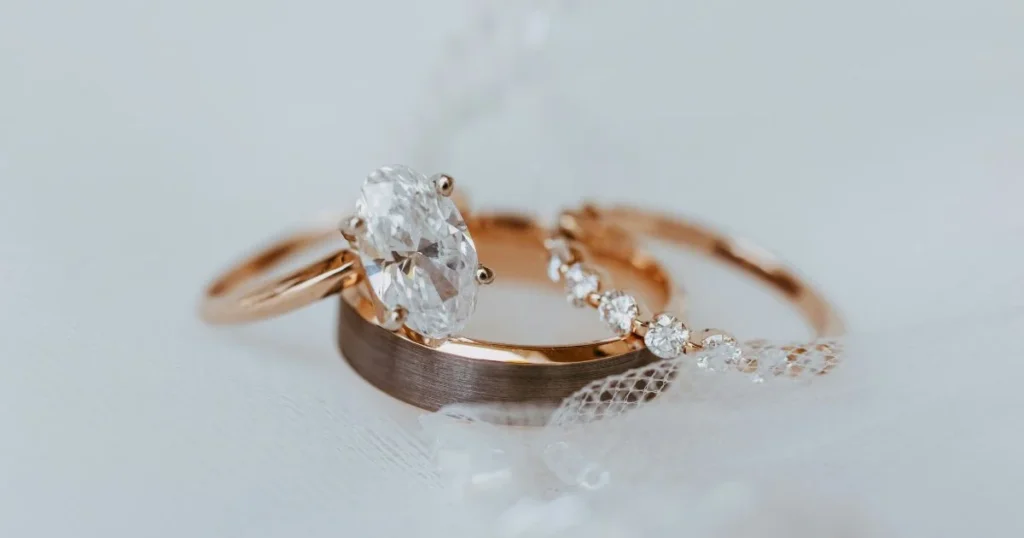
Are you ready to find the perfect engagement ring that fits your unique style? Explore our collection of oval and emerald-cut diamonds to discover the one that best suits you.
What Our Clients Are Saying
At DiamondNColors, we take pride in delivering exceptional service and exquisite jewelry. From diamond rings, engagement rings, and bracelets to gemstone pieces and more, our clients’ experiences speak for themselves. Explore our genuine testimonials to see how we bring elegance and quality to every piece, and share your own feedback here.
Conclusion
Rare colored diamonds are more than just beautiful—they’re strategic assets with unique value drivers. Blue diamonds captivate with their depth, green diamonds intrigue with their origin, and red diamonds dominate through unmatched rarity.
If you’re serious about entering this market, focus on education first. Understand grading systems, verify authenticity, and prioritize quality over size.
Your next step? Start comparing certified stones and consult with trusted experts. Whether you’re investing or collecting, the right rare colored diamond can become both a financial and emotional asset.
FAQs
1. What is a rare colored diamond?
A rare colored diamond is a natural diamond that displays noticeable color due to chemical impurities or structural changes. These include blue, green, and red diamonds, which are among the most valuable in the fancy colored diamonds category.
2. Are fancy colored diamonds more expensive than white diamonds?
Yes, in most cases. High-quality fancy colored diamonds, especially vivid blue or red ones, can be significantly more expensive due to their rarity and strong market demand.
3. How can I tell if a colored diamond is natural?
Always check for certification from reputable labs like GIA. Natural diamonds will clearly state their origin, while treated stones will disclose enhancements.
4. Which color diamond is the rarest?
Red diamonds are the rarest. Fewer than 30 are known to exist, making them the most exclusive type of rare colored diamond.
5. Is it safe to buy colored diamonds in Las Vegas?
Yes, Las Vegas has strict consumer protection laws requiring full disclosure of gemstone treatments. Always buy from licensed and reputable dealers.
6. Do rare colored diamonds increase in value?
Historically, yes. Many rare colored diamonds have shown strong appreciation, particularly blue and pink varieties, making them attractive investment assets.
7. What should I prioritize when buying?
Focus on color intensity, certification, and origin. These factors matter more than size when evaluating fancy colored diamonds.