Introduction: Why does the same diamond look different everywhere you see it?
Have you ever fallen in love with a diamond in a showroom, only to feel slightly underwhelmed when you see something similar under your home lighting? That shift can feel confusing—even disappointing.
In fact, many jewelry buyers in high-end markets like Las Vegas report this exact experience. A diamond that looks fiery and brilliant under boutique lighting may appear softer or less sparkly under warm household bulbs. The truth is, it’s not the diamond changing—it’s the environment.
The science behind diamond lighting effects explains this perfectly. Lighting determines how light enters, reflects, and exits a diamond, directly shaping its sparkle, brilliance, and fire. In luxury jewelry stores, lighting is carefully engineered to enhance sparkle. At home, lighting is often practical rather than optimized.
In this guide, you’ll discover how diamond lighting effects work in real-world settings, why diamonds behave differently in stores vs home, and how you can use smart jewelry display tips to evaluate diamonds like a pro before making a purchase.
What are diamond lighting effects and why do they matter?
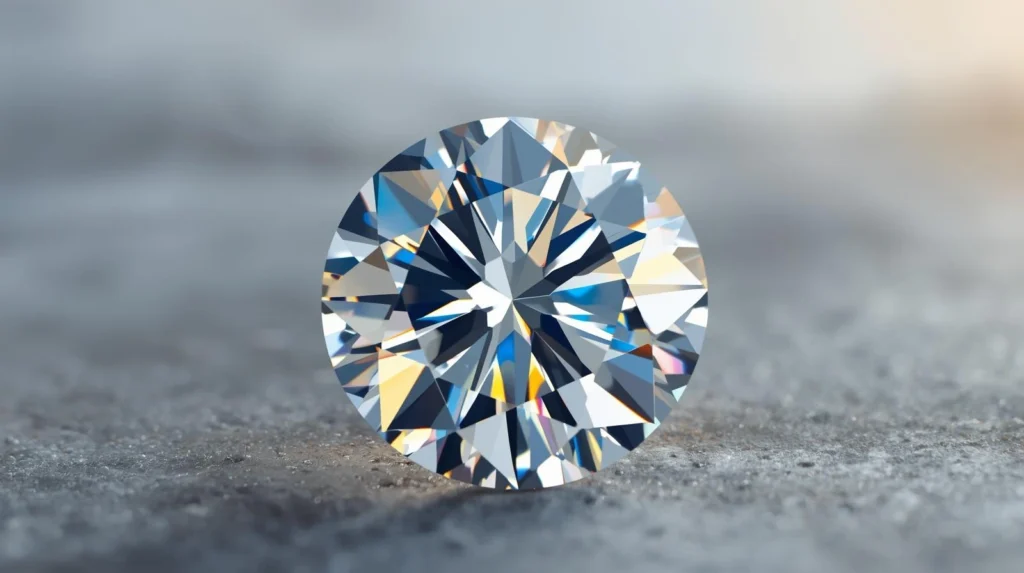
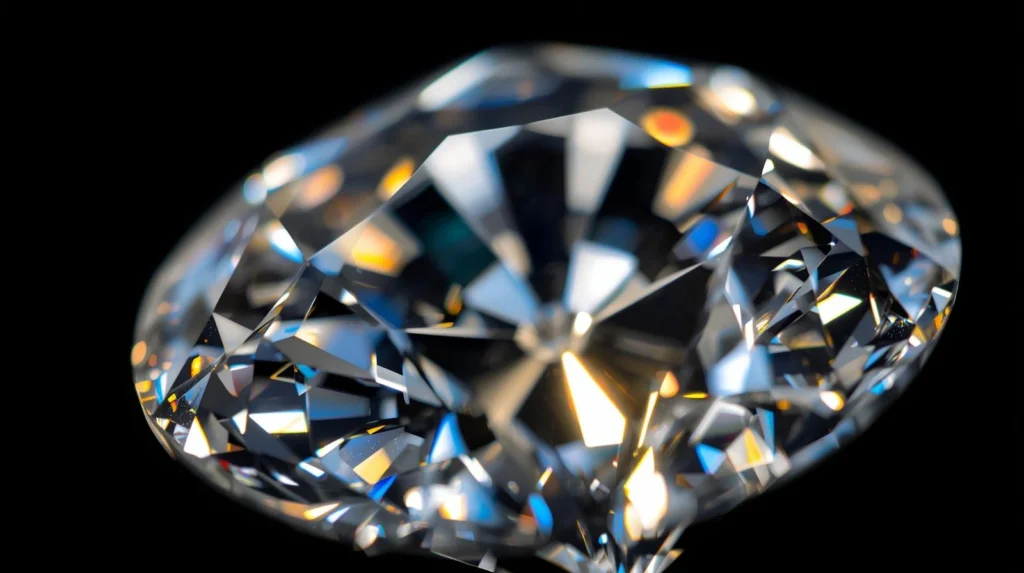
Diamond lighting effects refer to how different light sources influence a diamond’s sparkle, brilliance, and fire. These effects are not random—they are the result of how a diamond interacts with light at precise angles.
A diamond’s cut determines how effectively it reflects light. According to the Gemological Institute of America (GIA), even a small variation in cut quality can reduce light performance by up to 20–30%. That means lighting becomes a critical factor in how beautiful a diamond appears.
Under ideal lighting, diamond sparkle lighting enhances three key elements:
- Brilliance (white light reflection)
- Fire (colored light dispersion)
- Scintillation (sparkle movement)
In Las Vegas jewelry showrooms, controlled lighting systems are used to maximize diamond lighting effects, making stones appear more vibrant than they would under natural daylight or home lighting.
For buyers, understanding these effects prevents emotional purchasing decisions based solely on artificial sparkle. Instead, you learn to evaluate a diamond’s true performance across environments.
Pro Tip: Always view diamonds under at least two lighting conditions—store lighting and natural daylight—to understand their real appearance.
How do diamond lighting effects differ in jewelry stores vs home lighting?
The biggest difference in diamond lighting effects comes from how light is controlled.
In jewelry stores, especially luxury showrooms in places like Las Vegas, lighting is intentionally engineered. High-intensity LED spotlights are angled to hit diamonds at precise reflection points. This enhances brilliance and creates intense diamond sparkle lighting that catches the eye immediately.
At home, lighting is often softer, warmer, and more diffused. Standard bulbs don’t replicate the directional intensity of showroom lights. As a result, diamonds may appear less sparkly or even slightly dull.
Here’s a real-world example:
A customer purchasing a 1-carat round brilliant diamond in Las Vegas noticed it sparkled intensely in-store. At home under warm ceiling lights, the sparkle softened. However, when placed near a window with natural daylight, the diamond regained much of its brilliance. This shift is a classic demonstration of diamond lighting effects in action.
According to a 2026 retail lighting study by the International Jewelry Design Association, over 68% of consumers say lighting significantly influences their perception of diamond quality.
Pro Tip: If a diamond only looks good under one type of lighting, it may not perform well in everyday environments.
Why does diamond sparkle lighting change perception of quality?
Diamond sparkle lighting directly impacts how we judge clarity, size, and quality—even when those characteristics haven’t changed.
Human eyes are naturally drawn to movement and brightness. When a diamond reflects strong light bursts, it appears more flawless and higher in value. This is why retailers invest heavily in lighting systems that maximize diamond lighting effects.
However, this can create a perception gap. A diamond may look larger or clearer under intense lighting than it actually is under normal conditions.
Case Study 1:
A boutique in Las Vegas Strip reported that customers often preferred diamonds under showroom lighting but later requested exchanges when viewing them in office lighting. After adjusting their consultation process, they began showing diamonds under neutral lighting first, reducing returns by 22%.
Case Study 2:
An online jeweler introduced “at-home lighting comparison kits,” allowing customers to see diamonds under multiple lighting environments before purchasing. This improved customer satisfaction significantly.
The key takeaway is simple: diamond sparkle lighting can enhance perception, but it should not be the only evaluation factor.
What types of lighting are used in Las Vegas jewelry stores?
Las Vegas jewelry retailers are known for their advanced lighting strategies designed to amplify diamond lighting effects.
Common lighting types include:
- LED spotlight systems: Focused beams that enhance brilliance
- High-CRI lighting: Improves color accuracy of diamonds
- Cool white lighting (5000K–6500K): Maximizes sparkle and fire
- Rotating display lights: Create movement-based scintillation
These systems are carefully calibrated to make diamonds appear at their absolute best. The goal is not to deceive, but to showcase maximum potential sparkle.
However, this is also why buyers should be cautious. The same diamond under home lighting may not replicate the same intensity of diamond sparkle lighting.
According to the American Gem Society, lighting can alter perceived brilliance by up to 40% depending on angle and intensity.
Pro Tip: Ask to view diamonds under “neutral lighting” in-store if available. This gives a more realistic preview of everyday appearance.
How can you recreate professional jewelry display tips at home?
You don’t need a luxury showroom to evaluate diamonds properly. With a few adjustments, you can replicate effective jewelry display tips at home.
Start with lighting variety:
- Use natural daylight near a window
- Test warm indoor lighting (2700K–3000K)
- Try neutral LED lighting (4000K–5000K)
Next, change angles frequently. Diamond lighting effects shift dramatically based on movement, so rotating the diamond helps reveal true brilliance.
Another key strategy is contrast. Place the diamond against neutral backgrounds (white or gray) to better observe sparkle performance.
Case Study 3:
A jewelry consultant in Las Vegas advises clients to use a simple desk lamp and daylight test before final purchase decisions. Clients following this method reported higher confidence and fewer post-purchase doubts.
Pro Tip: Avoid evaluating diamonds only under dim romantic lighting—it hides both brilliance and flaws.
What mistakes affect diamond lighting effects the most?
Many buyers unknowingly misinterpret diamond lighting effects due to common mistakes.
One major mistake is relying only on store lighting. Since stores enhance diamond sparkle lighting, it can create unrealistic expectations.
Another mistake is ignoring cut quality. Even perfect lighting cannot fix poor proportions in a diamond.
Additional mistakes include:
- Evaluating diamonds under only warm light
- Not comparing multiple lighting environments
- Over-focusing on size instead of brilliance
A GIA study shows that cut quality influences up to 50% of a diamond’s visible sparkle, making it more important than carat weight in many cases.
Understanding these mistakes helps you interpret diamond lighting effects more accurately and make smarter buying decisions.
How do you choose diamonds based on lighting conditions?
Choosing a diamond isn’t just about the stone—it’s about how it behaves under different lighting environments.
If you plan to wear your diamond daily, test it under natural daylight and indoor lighting. This ensures consistent performance across environments.
If you are buying for events or luxury occasions, diamond lighting effects under spotlight conditions may matter more.
In Las Vegas retail environments, jewelers often demonstrate diamonds under multiple lighting setups for this exact reason.
When evaluating, focus on:
- Consistency of sparkle
- Balance between brilliance and fire
- Performance under movement
Ultimately, diamond sparkle lighting should enhance—not define—your final decision.
Call to Action:
Are you ready to find the perfect engagement ring that fits your unique style? Explore our collection of oval and emerald-cut diamonds to discover the one that best suits you.
What Our Clients Are Saying
At DiamondNColors, we take pride in delivering exceptional service and exquisite jewelry. From diamond rings, engagement rings, and bracelets to gemstone pieces and more, our clients’ experiences speak for themselves. Explore our genuine testimonials to see how we bring elegance and quality to every piece, and share your own feedback here.
Call to Action:
Are you ready to find the perfect engagement ring that fits your unique style? Explore our collection of oval and emerald-cut diamonds to discover the one that best suits you.
What Our Clients Are Saying
At DiamondNColors, we take pride in delivering exceptional service and exquisite jewelry. From diamond rings, engagement rings, and bracelets to gemstone pieces and more, our clients’ experiences speak for themselves. Explore our genuine testimonials to see how we bring elegance and quality to every piece, and share your own feedback here.
Conclusion: Seeing beyond the sparkle
Diamond lighting effects play a powerful role in how we perceive beauty, value, and quality. From luxury Las Vegas showrooms to everyday home lighting, the same diamond can tell a different visual story depending on its environment.
Understanding diamond sparkle lighting helps you move beyond emotional reactions and focus on real performance. By applying simple jewelry display tips—like testing multiple lighting conditions and observing movement—you gain clarity and confidence in your purchase.
The key takeaway is simple: lighting doesn’t change the diamond, but it changes how you see it.
If you remember nothing else, remember this—always evaluate diamonds in more than one light before making your final decision.
FAQ: Diamond Lighting Effects Explained
Why do diamonds look better in jewelry stores than at home?
Jewelry stores use controlled lighting designed to maximize diamond lighting effects. At home, lighting is softer and less directional, reducing sparkle intensity.
What is the best lighting to view diamond sparkle lighting?
Neutral daylight or high-CRI LED lighting is best for evaluating true diamond sparkle lighting and overall brilliance.
Do diamond lighting effects change the actual quality of a diamond?
No, they only affect appearance. The diamond’s cut, clarity, and carat remain the same regardless of lighting.
Why does my diamond look dull in some lighting?
Different environments reduce or enhance diamond lighting effects. Warm or dim lighting often reduces visible sparkle.
Can I trust how a diamond looks in store lighting?
Store lighting enhances appearance, so it should not be your only reference. Always compare under multiple lighting conditions.
What lighting do Las Vegas jewelers use?
They use a mix of LED spotlights, cool white lighting, and high-CRI systems to maximize diamond sparkle lighting.
How can I test a diamond before buying?
Use jewelry display tips like viewing under daylight, rotating the stone, and comparing indoor lighting conditions for a full evaluation.