Jewelry Investment Guide 2026 In this jewelry investment guide, you’ll learn which gemstones actually appreciate over time, how diamond investment works in modern markets, and how to avoid costly mistakes. Whether you’re a business owner diversifying assets or an entrepreneur exploring alternative investments, this guide gives you a clear, actionable path.
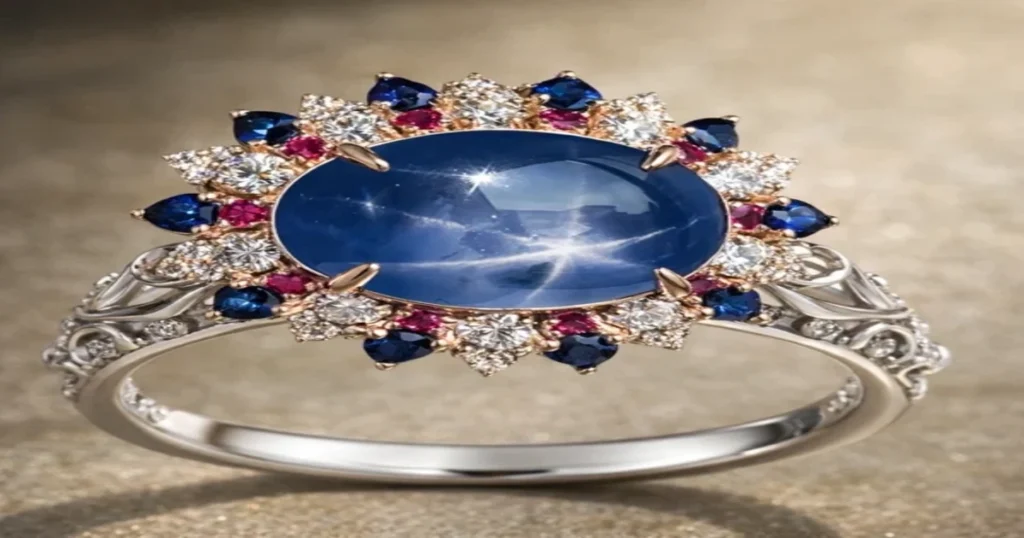
A few years ago, a Las Vegas-based collector purchased a rare sapphire ring at an estate auction. Within five years, its value had nearly doubled—not because of market hype, but due to rarity and demand. Meanwhile, many trendy pieces from the same period lost resale appeal entirely.
That’s the reality of jewelry investing in 2026. It’s not about buying what looks good today—it’s about understanding what holds value tomorrow.
What makes jewelry a smart investment in 2026?
Jewelry has evolved from luxury fashion into a strategic asset class. But not every piece qualifies as an investment.
The real value lies in scarcity, durability, and global demand. According to Bain & Company’s luxury report (2025), the global jewelry market continues to grow steadily, with high-end gemstone demand increasing by over 5% annually. This signals long-term stability, especially in markets like Las Vegas where luxury resale and auctions thrive.
In this jewelry investment guide, the key principle is simple: invest in rarity, not trends.
Key investment drivers
- Natural gemstones outperform synthetic ones over time
- Certified pieces retain trust and resale value
- Timeless designs outperform seasonal styles
Pro Tip:
If a piece is marketed as “trendy,” it’s usually not an investment-grade asset.
For Las Vegas investors, auction houses and luxury resale platforms provide liquidity, making jewelry easier to convert into cash compared to other collectibles.
Which gemstones hold value the best over time?
Not all gemstones are created equal. Some consistently outperform others due to rarity and global demand.
Top valuable gemstones for investment
- Diamonds (especially rare cuts and colors)
- Rubies (Burmese origin preferred)
- Sapphires (Kashmir and Ceylon origins)
- Emeralds (high clarity Colombian stones)
- Spinel (emerging investment gem in 2026)
A 2024 report by Knight Frank highlighted that colored gemstones—especially rubies and sapphires—have seen a 6–8% annual increase in value over the past decade.
Real-world example
A Las Vegas investor purchased a Burmese ruby in 2018. Due to supply restrictions and rising demand, its value increased by nearly 70% by 2025.
Expert Insight:
Rarity beats size. A smaller, high-quality gemstone often outperforms a larger, lower-grade stone.
If you’re following this jewelry investment guide, prioritize origin, certification, and untreated stones.
Is diamond investment still worth it in 2026?
Diamond investment remains one of the most searched topics—and for good reason. However, the market has changed significantly.
Lab-grown diamonds have disrupted pricing, but natural diamonds—especially rare ones—still hold strong investment value.
What makes a diamond investment-worthy?
- Natural origin (not lab-grown)
- High clarity and color grade
- Unique cuts or fancy colors (pink, blue, yellow)
- Certification from GIA or similar authorities
According to Rapaport (2025), rare colored diamonds have appreciated by over 10% annually in niche markets.
Case study
A pink diamond sold at a Las Vegas auction increased in value by over 200% within a decade due to extreme rarity.
Common mistake: Buying commercial-grade diamonds expecting appreciation. Most retail diamonds lose resale value unless they meet investment criteria.
In this jewelry investment guide, think of diamonds as “selective investments”—not all diamonds qualify.
How do you evaluate jewelry before investing?
Smart investors don’t rely on appearance—they rely on data.
The 4C framework for evaluation
- Cut: Determines brilliance and desirability
- Color: Less color usually means higher value (except fancy diamonds)
- Clarity: Fewer inclusions = higher investment potential
- Carat: Size matters, but quality matters more
Additional factors
- Certification (GIA, IGI)
- Origin (geographic sourcing matters)
- Treatment (untreated stones are more valuable)
Example
Two sapphires may look identical, but one from Kashmir with no treatment could be worth significantly more than a treated stone from another region.
Pro Tip: Always request certification documents—this is non-negotiable in serious diamond investment.
Las Vegas regulations also emphasize transparency in gemstone sales, especially in licensed jewelry businesses.
Where should you buy investment-grade jewelry?
Location matters more than most people think—especially in a luxury hub like Las Vegas.
Trusted buying channels
- Certified jewelers with verifiable credentials
- High-end auctions (Sotheby’s, Christie’s)
- Estate sales (often undervalued gems)
- Reputable online platforms with authentication
What to avoid
- Unverified sellers
- No certification
- Deals that seem too good to be true
Real-world example
An entrepreneur sourced an emerald from a Las Vegas estate sale at below-market value. After certification and resale, the piece delivered a strong return within three years.
Expert Insight:
Estate sales are one of the most overlooked opportunities in jewelry investment.
In this jewelry investment guide, always prioritize trust and documentation over price.
Your Dream Jewelry, Designed Just for You!
Custom engagement rings, luxury colored gemstones, and diamond creations—crafted in Las Vegas by expert designers with 30+ years of experience. Call us now to make your vision a reality!
(702) 773-1747What are the biggest mistakes in jewelry investing?
Even experienced investors make costly errors. Avoiding these can significantly improve your returns.
Common mistakes
- Buying based on appearance instead of value
- Ignoring certification
- Investing in trendy designs
- Overpaying retail prices
- Not understanding resale markets
Case study
A buyer purchased multiple designer jewelry pieces expecting appreciation. However, branding alone didn’t hold value—only the gemstones did.
Actionable takeaway
Focus on intrinsic value, not branding.
Pro Tip:
Jewelry is not like stocks—you can’t rely on market trends alone. You need product-level expertise.
This jewelry investment guide emphasizes discipline over impulse buying.
How can you build a profitable jewelry portfolio?
Think of jewelry investing like building a diversified asset portfolio.
Suggested portfolio mix
- 40% diamonds (rare and certified)
- 30% colored gemstones (ruby, sapphire, emerald)
- 20% emerging gems (spinel, alexandrite)
- 10% unique collector pieces
Strategy tips
- Buy long-term (5–10 years horizon)
- Focus on quality over quantity
- Monitor global demand trends
Example
A Las Vegas-based investor diversified across diamonds and colored gemstones. During market fluctuations, colored stones maintained stable value while diamonds appreciated selectively.
Expert Insight:
Diversification reduces risk—even in jewelry investment.
How does resale work in Las Vegas markets?
Las Vegas offers a unique advantage: liquidity.
Popular resale channels
- Auction houses
- Luxury resale stores
- Online marketplaces
- Private collectors
Key resale factors
- Certification
- Condition
- Market demand
According to Statista (2025), the global second-hand luxury market is expected to exceed $70 billion by 2027, with jewelry being a major contributor.
Pro Tip:
Keep original packaging and documents—they increase resale value significantly.
In this jewelry investment guide, always think about exit strategy before you buy.
Call to Action:
Are you ready to find the perfect engagement ring that fits your unique style? Explore our collection of oval and emerald-cut diamonds to discover the one that best suits you.
What Our Clients Are Saying
At DiamondNColors, we take pride in delivering exceptional service and exquisite jewelry. From diamond rings, engagement rings, and bracelets to gemstone pieces and more, our clients’ experiences speak for themselves. Explore our genuine testimonials to see how we bring elegance and quality to every piece, and share your own feedback here.
Conclusion: Is jewelry still a smart investment?
Jewelry investing in 2026 is no longer about luxury—it’s about strategy.
If you focus on valuable gemstones, understand diamond investment fundamentals, and follow a disciplined approach, jewelry can become a powerful long-term asset.
The key takeaway? Buy rare, certified, and timeless pieces—not trends.
Your next step: start small, research deeply, and build your portfolio with intention. Over time, the right pieces won’t just shine—they’ll grow in value.
FAQ Section
1. What is the best gemstone for investment in 2026?
Rubies and sapphires remain top choices due to rarity and consistent demand. Diamonds are also strong, but only rare, certified stones qualify as good investments.
2. Is diamond investment safe long-term?
Yes, but only for high-quality natural diamonds. Commercial diamonds often lose value, so focus on rarity and certification.
3. How do I know if jewelry is investment-grade?
Check certification, origin, clarity, and treatment. Investment-grade jewelry always comes with verified documentation.
4. Are lab-grown diamonds a good investment?
No. While they are affordable, they do not hold long-term value like natural diamonds.
5. Where can I resell jewelry for profit?
Auction houses, luxury resale platforms, and private collectors are the best options—especially in markets like Las Vegas.
6. How long should I hold jewelry investments?
Typically 5–10 years for optimal returns. Jewelry is a long-term asset, not a quick-profit strategy.
7. Can beginners start jewelry investing?
Absolutely. Start with smaller certified gemstones and gradually expand your portfolio as you gain experience.