Introduction
Have you ever wondered what makes diamonds sparkle so captivatingly? It’s not just the size or the price tag — it’s the brilliance, the way light dances off the facets. But what exactly goes into creating this mesmerizing effect? Understanding how diamond brilliance works can help you make better buying decisions and appreciate the intricate craftsmanship involved.
In this guide, you’ll learn everything you need to know about diamond brilliance, what affects it, and how different factors, such as cut and clarity, influence the sparkle of a diamond. Whether you’re buying a diamond ring or just fascinated by the science behind its shine, we’ll break it all down for you.
What Exactly Is Diamond Brilliance?
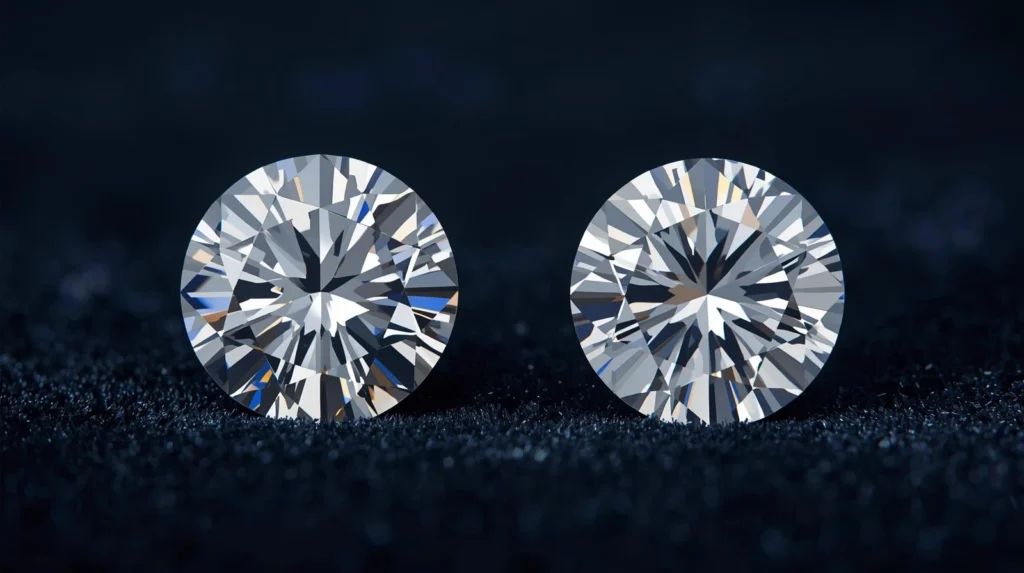
Diamond brilliance refers to the amount of white light that a diamond reflects back to the viewer’s eye. This dazzling reflection is what gives diamonds their signature sparkle, and it’s what makes them so alluring. But what exactly contributes to this brilliance?
Key Factors Affecting Brilliance
- Cut: The cut of the diamond is arguably the most important factor in determining brilliance. A well-cut diamond will reflect light in a way that maximizes its sparkle.
- Clarity: Diamonds with fewer inclusions (internal flaws) tend to reflect light more efficiently, which contributes to their brilliance.
- Color: While color has less impact on brilliance, diamonds with less color (closer to colorless) tend to reflect light more effectively.
- Carat Weight: Though carat weight impacts the size of the diamond, it doesn’t directly affect brilliance. However, a larger diamond with a great cut can reflect more light.
How Does the Cut Affect a Diamond’s Sparkle?
The cut is the most important factor when it comes to diamond brilliance. A well-cut diamond will have a symmetrical arrangement of facets that allow light to enter and exit the stone in a way that maximizes sparkle.
The Different Types of Cuts
- Round Cut: Known for having the most brilliance due to its symmetrical shape and the number of facets (58).
- Princess Cut: A square-shaped cut that reflects light well, though not as efficiently as the round cut.
- Emerald Cut: A rectangular shape with fewer facets, which provides a unique, elegant sparkle but less brilliance than other cuts.
- Cushion Cut: This cut has rounded corners and larger facets that provide a vintage look with a slightly softer sparkle.
The most important thing to remember is that a diamond’s brilliance depends heavily on how the light is refracted inside the stone. A well-cut diamond will allow light to bounce off its facets in an optimal way, creating maximum sparkle.
What Affects Diamond Sparkle?
A diamond’s sparkle is influenced by the interaction of light with its facets. But several factors determine how much sparkle a diamond will give off.
Light Performance:
Diamonds are often evaluated for their light performance, which consists of:
- Brilliance: The white light reflection.
- Fire: The dispersion of light into various colors (like a rainbow).
- Scintillation: The sparkle seen when the diamond is moved, caused by light reflecting off the facets.
Facet Proportions:
The size, angle, and shape of a diamond’s facets will significantly affect how it interacts with light. The ideal proportions allow light to reflect from one facet to another, leading to greater brilliance.
The Role of Diamond Clarity in Sparkle
While clarity doesn’t directly affect a diamond’s sparkle in the same way the cut does, a clearer diamond often reflects light better. Diamonds with inclusions (internal flaws) can obstruct light paths, reducing the diamond’s brilliance.
Why Inclusions Matter
Inclusions, such as tiny cracks or air bubbles inside the diamond, can act like barriers, blocking or diffusing the light that should be reflecting off the diamond’s facets. The fewer the inclusions, the better the diamond will perform in terms of brilliance. However, not all inclusions affect brilliance equally — some are microscopic and hardly noticeable, while others are more impactful.
The Best Diamond Cuts for Maximum Brilliance
When it comes to buying a diamond, you want to make sure you’re getting the most brilliance for your money. Not all diamond cuts perform the same way, so choosing the right one can drastically change the sparkle factor.
Round Cut for Maximum Brilliance
The round brilliant cut is the most popular and best-known cut for brilliance. It is engineered to maximize the diamond’s sparkle by utilizing 58 facets that optimize light performance. If brilliance is your top priority, the round cut should be your first choice.
Princess and Cushion Cuts
While the round cut is king, other cuts, like the princess and cushion cuts, also offer great sparkle. The princess cut, a square shape, offers brilliant sparkle but doesn’t reflect light quite as efficiently as the round cut. The cushion cut gives a softer, vintage feel but is slightly less brilliant than round or princess cuts.
Your Dream Jewelry, Designed Just for You!
Custom engagement rings, luxury colored gemstones, and diamond creations—crafted in Las Vegas by expert designers with 30+ years of experience. Call us now to make your vision a reality!
(702) 773-1747The Importance of Diamond Color in Sparkle
While color is a secondary factor in determining a diamond’s brilliance, it still plays a role. A diamond with a noticeable yellowish or brownish tint can reflect light differently than a colorless diamond.
Color Grading Scale
Diamonds are graded on a scale from D (colorless) to Z (light yellow or brown). Diamonds closer to D will generally reflect light more efficiently, contributing to better brilliance. However, the difference between a D and a G or H diamond might be hard to notice to the naked eye, so it’s essential to weigh the cost against the visual effect.
Pro Tips for Enhancing Diamond Brilliance
Want to ensure you’re getting the best sparkle? Here are a few expert tips:
- Choose the right cut: If brilliance is your priority, go for a round cut diamond.
- Look for diamonds with high clarity: Fewer inclusions means better light reflection.
- Opt for a colorless diamond: Diamonds in the D-F range reflect the most light.
- Consider a higher carat weight: Larger diamonds, when cut well, can offer more brilliance.
Conclusion
Understanding diamond brilliance is essential for anyone looking to buy a diamond. It’s the interplay of light, cut, clarity, and color that creates the diamond’s signature sparkle. Whether you’re shopping for an engagement ring or simply looking to appreciate the beauty of a diamond, knowing what makes it sparkle can elevate your diamond-buying experience.
When choosing a diamond, always prioritize the cut, followed by clarity and color. With the right combination, you can ensure your diamond will sparkle brilliantly for years to come.
For those looking to make an informed purchase, consider these insights as part of your journey. Remember, brilliance isn’t just about the size or price — it’s about how well the diamond has been crafted to interact with light.
Call to Action:
Are you ready to find the perfect engagement ring that fits your unique style? Explore our collection of oval and emerald-cut diamonds to discover the one that best suits you.
What Our Clients Are Saying
At DiamondNColors, we take pride in delivering exceptional service and exquisite jewelry. From diamond rings, engagement rings, and bracelets to gemstone pieces and more, our clients’ experiences speak for themselves. Explore our genuine testimonials to see how we bring elegance and quality to every piece, and share your own feedback here.
FAQ Section
What is the most important factor in diamond brilliance?
The cut of the diamond is the most crucial factor affecting its brilliance. A well-cut diamond will reflect light more efficiently, producing maximum sparkle.
Can a diamond’s clarity affect its brilliance?
Yes, diamonds with fewer inclusions reflect light better, contributing to their brilliance. However, the impact of clarity on brilliance can vary depending on the size and location of inclusions.
Does diamond color affect its sparkle?
Diamonds with less color (closer to colorless) generally reflect light more effectively, contributing to greater brilliance. However, the difference in sparkle between near-colorless and colorless diamonds may not be noticeable to the naked eye.
How does the round cut compare to other diamond cuts in terms of brilliance?
The round cut is the most brilliant due to its 58 facets designed to maximize light reflection. Other cuts like princess and cushion cuts also offer sparkle but not to the same extent as the round cut.
How can I make sure I get the best sparkle from my diamond?
Focus on selecting a well-cut diamond, preferably in the D-F color range and with minimal inclusions. Prioritize the cut when making your decision for optimal brilliance.