Lab-grown diamond have revolutionized the discourse surrounding contemporary jewelry. In the last ten years, lab-grown diamond have evolved from a technological novelty to a viable option for milestone gifts, heirloom jewelry, and engagement rings. However, a lot of consumers still hesitate before making a purchase, raising the straightforward but crucial question: Are lab-grown diamonds actually real diamonds?
This question is crucial whether you are thinking of getting a diamond as a long-term family piece, graduation present, anniversary present, or engagement gift. Rarely is a diamond merely a buy. It stands for passion, recollection, dedication, and frequently hefty financial outlays. Therefore, it is crucial to comprehend lab-grown diamond from both an emotional and economical standpoint.
In order to help you make an informed decision, this guide calmly and eloquently examines science, value, market patterns, pricing volatility, ethical considerations, and long-term ownership.
Your Dream Jewelry, Designed Just for You!
Custom engagement rings, luxury colored gemstones, and diamond creations—crafted in Las Vegas by expert designers with 30+ years of experience. Call us now to make your vision a reality!
(702) 773-1747Understanding What “Real” Means in Diamonds
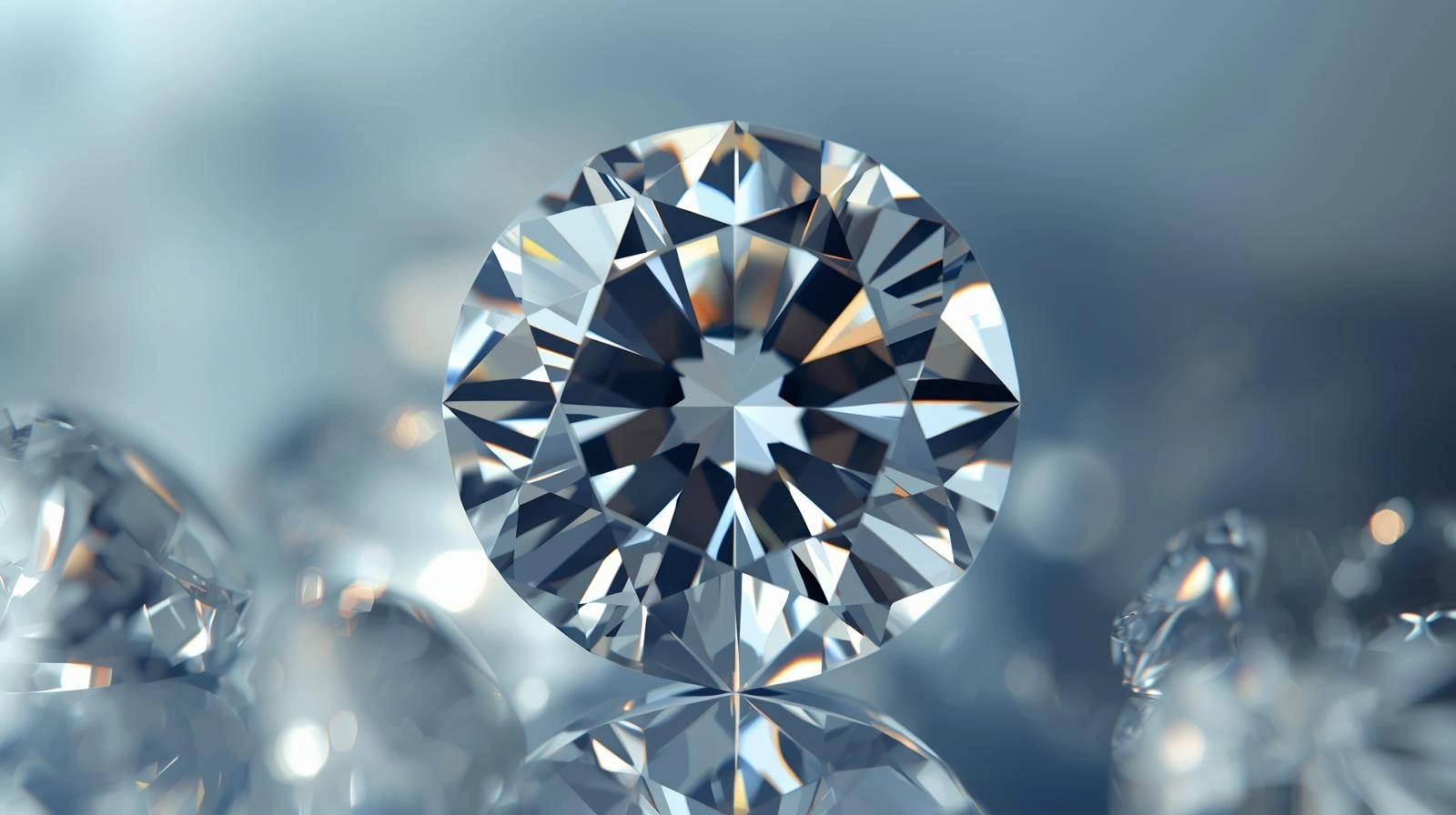
Scientifically speaking, a diamond is defined by its chemical structure — pure carbon arranged in a crystal lattice. Lab-Grown Diamond are the real diamonds. They have the same hardness (10 on the Mohs scale), same brilliance, same fire, and same durability as natural diamonds.
The only true difference is origin.
- Natural diamonds are present over billions years of beneath the earth surfaces.
- Lab-created diamonds are produced in controlled environments using advanced technology that replicates those natural conditions.
From a gemological perspective, both are authentic diamonds. Leading certification bodies like GIA and IGI grade both natural and lab-created stones using similar standards.
The debate around “real” is not scientific — it is emotional and historical.
Lab-Grown Diamonds
Lab-Grown Diamond are created using two primary processes:
1. High Pressure High Temperature (HPHT)
This method mimics Earth’s natural diamond formation by applying extreme pressure and heat to carbon.
2. Chemical Vapor Deposition (CVD)
This method uses carbon-rich gas in a vacuum chamber to create diamond crystals layer by layer.
Diamonds produced by both methods are chemically and visually identical to those found in mined stones.
Cutting-edge gemological instruments can identify growth patterns that indicate whether a stone is naturally occurring or artificially produced. But there isn’t a change that can be seen with the naked eye.
Historical Context: Why Natural Diamonds Dominated for Decades
Because of mining control and international marketing campaigns that positioned diamonds as unique and timeless, natural diamonds controlled the market for the most of the 20th century.
The first lab-grown diamond were created for industrial application in the 1950s. However, it wasn’t until the 2010s that better technology made jewelry-quality stones generally accessible.
This timing matters.
Over the past ten years, there has been a notable increase in consumer awareness regarding sustainability, ethical sourcing, and transparent pricing. This change has aided in the adoption of lab-grown diamond, especially among younger consumers who appreciate both aesthetics and sound financial judgment.
Market Trends & Pricing Volatility
The diamond market is influenced by:
- Worldwide mining production
- Tensions in geopolitics
- Changes in currency
- Energy expenses
- Cycles of consumer demandGrowth of alternatives produced in labs
Global unpredictability and supply chain interruptions have caused volatility in the price of natural diamonds. Due to limitations on rarity, the price fluctuations of larger natural stones have become more pronounced.
On the other hand, the price curve for lab-grown diamond is different. As technology advances, prices have steadily dropped since production is scalable.
For example:
- A 1-carat natural diamond might range between $5,000–$7,000 depending on quality.
- A comparable Lab-Grown Diamond may range between $1,800–$3,000.
However, because of improved production efficiency, lab diamond prices have also decreased recently.
This implies that purchasers need to be aware of timing. Both natural and lab-created cost may be impacted by purchasing during periods of high demand.
Financial knowledge is important, particularly when purchasing a stone with a higher carat weight.
Ethical & Environmental Considerations
One reason many buyers consider Lab-Grown Diamond is environmental impact.
Traditional diamond mining can involve:
- Large-scale land excavation
- Water consumption
- Energy usage
- Ecological disruption
Lab-created diamonds typically require less land disruption. Real diamonds are very expensive.However, energy consumption varies depending on production facilities and power sources.
Labeling one as “good” and another as “bad” is not the point. It all comes down to weighing trade-offs and making sure your purchase is consistent with your principles.
Ethical sourcing may be particularly significant to customers who are giving diamonds as gifts to children or transferring them across generations.
Financial Perspective: Investment vs. Emotional Value
A common misconception is that diamonds are guaranteed financial investments.
In reality:
- Retail diamonds include markups.
- Resale markets are selective.
- Lab-Grown Diamond generally have lower resale value compared to rare natural stones.
- Most diamonds are emotional purchases first, financial assets second.
Lab-grown diamond are more affordable and offer greater size and clarity if symbolic meaning is your main objective.
Certain natural diamonds may have higher secondary-market demand if rarity and long-term collectability are important considerations.
Understanding this difference reduces regret later.
Human Perspective: What Buyers Actually Care About
Choosing an engagement ring is rarely a technical discussion between couples. It’s sentimental.
Because natural diamonds are created deep within the Earth over billions of years, some consumers prefer them.
Others favor lab-grown diamond because they are a symbol of purposeful decision-making and contemporary innovation.
Neither option is incorrect.
According to one young couple, selecting a stone made in a lab enabled them to set aside money for a down payment on a house. A natural diamond was chosen by another family because it had heritage-related symbolic significance.
Values that are clear avoid second thoughts.
Durability & Longevity
Lab-Grown Diamond are just as durable as natural diamonds.
They:
- Resist scratching
- Maintain brilliance
- Withstand daily wear
- Last generations
With proper care, both types can become heirloom pieces.
The idea that lab-created diamonds fade or weaken over time is incorrect.
Certification & Transparency
Always request grading reports from reputable laboratories such as:
- GIA (Gemological Institute of America)
- IGI (International Gemological Institute)
Certification confirms:
- Cut grade
- Clarity
- Color
- Carat weight
- Origin disclosure
Transparency builds confidence, especially in a rapidly evolving market.
Market Insight
Diamond Market Snapshot (Educational Example):
• Because of lower mining output, the supply of natural diamonds is still under control.
• The capability for lab-grown output keeps growing.
• Because of competition, the lab-grown industry is under price pressure.
Why In times of global instability, larger natural stones exhibit greater volatility.
This illustrates why understanding trends before purchasing can be financially beneficial.
Conclusion: Are Lab-Grown Diamonds Truly Real?
Yes Lab-Grown Diamond are scientifically real diamonds. Lab-Grown Diamond are identical a physically and chemically properties to mined stones. The difference lies only in origin, not authenticity.
Lab-grown diamond offer consumers who are looking for cost, ethical source, and size flexibility a strong alternative. Natural diamonds might feel more in line for people who appreciate traditional collectability and geological rarity.
Choosing Lab-Grown Diamond should ultimately be a well-considered choice based on long-term goals, financial comfort, and ideals. Lab-Grown Diamond become less contentious and more useful when consumers are aware of pricing patterns, certification requirements, and market volatility.
Confusion is replaced with clarity. Marketing misconceptions are replaced by education.
FAQs
1. Are Lab-Grown Diamonds truly real diamonds?
Yes, Lab-Grown Diamond are chemically and physically real diamonds. Lab-Grown Diamond have the same carbon structure as natural stones. Certified Lab-Grown Diamonds receive official grading just like mined diamonds.
2. Do Lab-Grown Diamonds lose value faster?
Lab-Grown Diamond typically have lower resale demand compared to rare natural stones. However, Lab-Grown Diamonds cost less initially, reducing financial exposure.
3. Are Lab-Grown Diamonds durable for daily wear?
Absolutely. Lab-Grown Diamonds are just as hard and durable as natural diamonds. Because Lab-Grown Diamond share identical crystal structure, Lab-Grown Diamond maintain brilliance for decades with proper care.
4. Why are Lab-Grown Diamonds more affordable?
Lab-Grown Diamonds are produced in controlled environments, reducing extraction costs. Since Lab-Grown Diamond are scalable in production, Diamonds avoid the supply constraints that natural diamonds face.
5. Should I choose natural diamonds over Lab-Grown Diamonds?
Choosing between natural stones and Lab-Grown Diamond depends on values. Some buyers prefer geological rarity, while others appreciate the affordability and ethics of Diamonds. Understanding your priorities ensures satisfaction.