When it comes to purchasing a diamond, few things are as important—or as confusing—as diamond certification. Many jewelers and retailers push the idea of a “certified” diamond, but what does that really mean? Are all certifications created equal, and why should you care about the specifics?
Imagine walking into a jewelry store, ready to buy a diamond engagement ring. You’ve been told by a friend that the certification is the key to understanding quality. The sales rep mentions a few letters—GIA, IGI—and before you know it, your head is spinning. What do these terms mean? And more importantly, how do they affect the diamond you are about to purchase?
In this post, we’ll break down what diamond certification is, why it’s important, and what jewelers don’t always explain clearly about it. By the end of this article, you’ll be armed with the knowledge you need to make a confident diamond purchase, whether you’re shopping in Las Vegas or online.
What Is Diamond Certification, and Why Does It Matter?
What’s the Real Purpose of a Diamond Certificate?
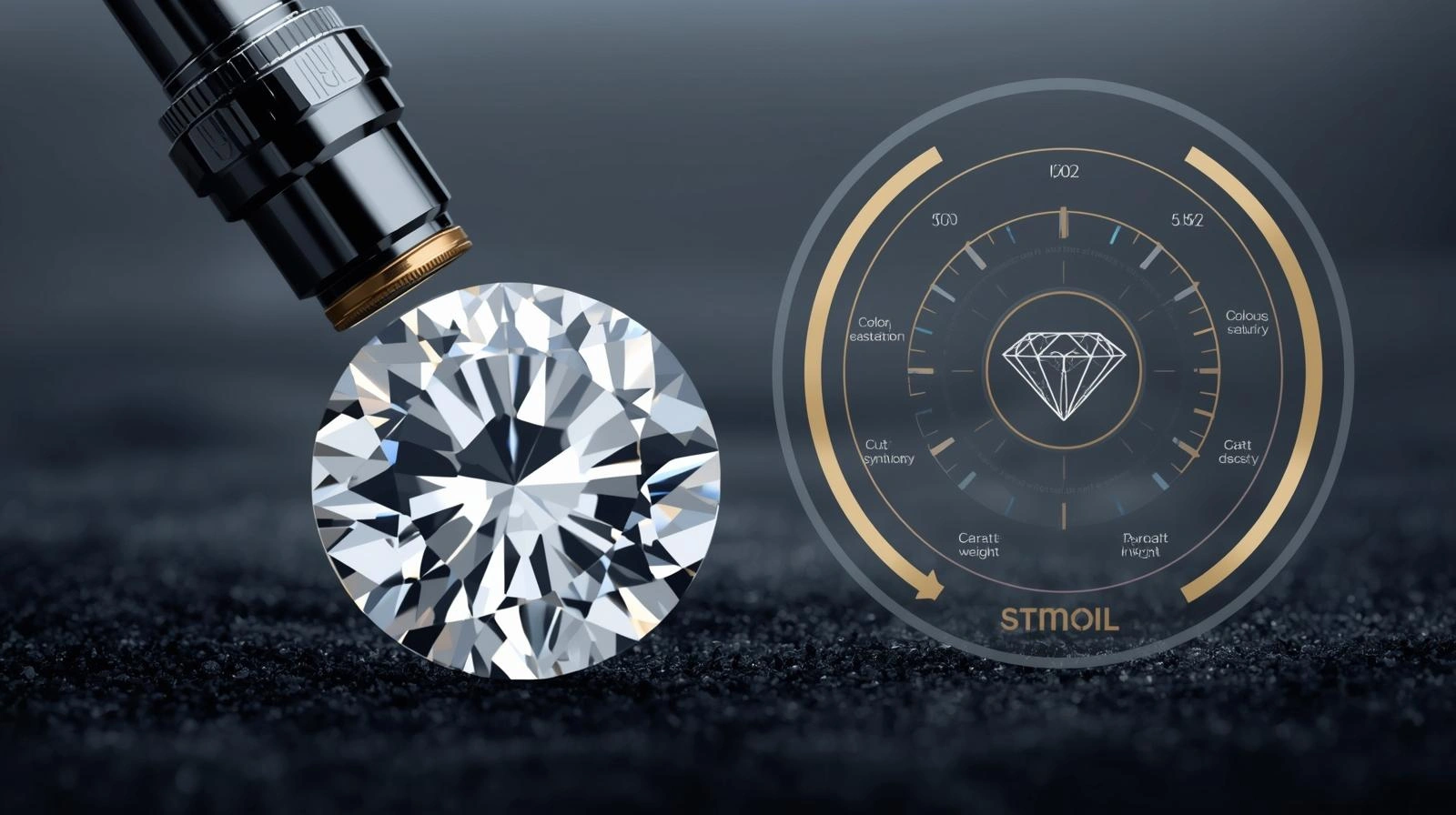
A diamond certificate is essentially a detailed report from an independent gemological laboratory that evaluates a diamond’s characteristics—its cut, color, clarity, and carat weight (the 4 Cs). This certificate acts as a neutral third-party verification of the diamond’s quality, helping you make an informed decision before buying.
But why is it so important? Without a diamond certificate, you’re relying on the jeweler’s word. While most jewelers are honest, a certificate ensures you’re getting what you pay for—especially when you’re investing in a high-value item like a diamond. It also protects you from overpaying for a diamond that may be subpar in terms of quality.
Pro Tip: Always ask to see the diamond’s certification before making a purchase. Without it, you can’t be sure about the true quality of the stone.
What Are the Different Types of Diamond Certifications?
The two biggest players in diamond certification are the Gemological Institute of America (GIA) and the International Gemological Institute (IGI). Both are respected organizations, but they have different grading systems, and this can impact the perceived value of your diamond.
- GIA: Known for its rigorous and highly respected grading system, GIA is often considered the gold standard in diamond certification. Their grading report is widely accepted in the industry and carries significant weight in both retail and resale markets.
- IGI: While IGI also provides reputable certification, it is generally seen as more lenient in its grading, which means an IGI-certified diamond might receive a higher grade than it would from GIA for the same characteristics. Some buyers may view this as an advantage, but others might see it as a potential risk for overpaying.
Understanding the difference between these two certification bodies is crucial in your decision-making process.
Pro Tip: GIA reports are often preferred by buyers who want to ensure they’re getting the best possible diamond at the best price. IGI reports, however, may still offer excellent value for money if you’re purchasing from a reputable retailer.
Why Should You Care About Diamond Certification?
Does Certification Impact the Price?
Absolutely. A diamond with a GIA certification, for example, will typically fetch a higher price because of the credibility of the report. This is why it’s essential to understand the certification behind your diamond purchase. If you’re paying a premium price for a high-quality stone, you want assurance that the diamond’s value is accurately represented.
A recent study showed that diamonds with GIA certifications sold for 15-30% more than similar diamonds without certification. This pricing disparity is partly due to the level of trust associated with GIA’s evaluations, but also because buyers know they’re paying for a verifiable, independent assessment of quality.
Can Diamond Certifications Be Forged?
Unfortunately, yes. Just as counterfeit documents can exist in other industries, there are fake diamond certificates out there. Some unscrupulous sellers may create fake certifications for diamonds that are not of the quality they claim to be. This is why it’s critical to ensure your certificate comes from a reputable, independent lab like GIA or IGI.
Pro Tip: Always verify a certificate’s authenticity by checking the certification number on the certifying lab’s website. This ensures you’re not being sold a fake report or a misrepresented diamond.
What Are the Key Elements of a Diamond Certificate?
What Should You Look For in a Diamond Certificate?
When you look at a diamond certificate, there are several key elements you should pay attention to:
- Cut: This is perhaps the most important factor influencing a diamond’s overall beauty. The cut determines how well a diamond reflects light, and it can make the difference between a dull stone and one that sparkles. Make sure the diamond has a high cut grade (Excellent or Very Good).
- Color: The color grade ranges from D (colorless) to Z (light yellow or brown). A D-grade diamond is the rarest and most expensive, while diamonds in the lower range (I-J) can be more affordable, but still look stunning.
- Clarity: Clarity refers to the number and size of inclusions (flaws) in a diamond. A flawless diamond (FL) is very rare, and diamonds with a clarity grade of VS1 or VS2 usually offer the best value.
- Carat Weight: While a larger carat weight doesn’t always mean a better quality diamond, it is a factor in pricing. Be sure that the diamond’s carat weight aligns with your expectations and budget.
Expert Insight: Pay particular attention to the clarity and cut grades—these two elements can significantly impact both the appearance and the value of your diamond.
How Do Jewelers Use Diamond Certification in Pricing?
Why Do Some Jewelers Mark Up Certified Diamonds?
One of the most common things jewelers don’t always explain clearly about diamond certification is how it influences their pricing strategy. Many jewelers sell diamonds at a premium, claiming the certification justifies the high price. While certification is important, it’s also essential to understand that it’s not the only factor influencing price.
In many cases, jewelers may use certification as a marketing tool to justify inflated prices. For example, you might see a GIA-certified diamond listed for 20% higher than a comparable IGI-certified diamond. While the GIA report adds value, it’s up to you to decide if that price difference is worth it based on the specific quality of the diamond you’re considering.
Pro Tip: Always compare diamonds of similar quality from different retailers. Certification is essential, but the quality of the diamond itself is the most important factor.
Is a Certified Diamond Always a Better Buy?
Not necessarily. While certification is a valuable tool for assessing diamond quality, it doesn’t guarantee you’re getting the best value for your money. Some diamonds may look better to the naked eye even if their certification isn’t from the most prestigious organization. For example, a diamond with a lower clarity grade might appear flawless to the untrained eye.
Expert Insight: Don’t be swayed by certification alone. Trust your eyes and work with a reputable jeweler who offers transparency in their grading.
What Can You Do to Avoid Overpaying for a Diamond?
How Can You Use Certification to Your Advantage?
To avoid overpaying, start by thoroughly understanding the diamond’s certification. Compare diamonds of similar size, color, and clarity from different retailers to see how their prices stack up. Also, be mindful of diamonds with inflated grades due to less stringent certification standards.
Here are some actionable steps to avoid overpaying:
- Research Diamond Grading Systems: Familiarize yourself with the differences between GIA and IGI reports, so you know which certifications offer the best value.
- Ask for Certification Transparency: Always request to see the full diamond certification report and ask questions about the grading criteria.
- Don’t Let Certification Alone Dictate Your Purchase: Evaluate the diamond’s visual appeal and beauty, not just its graded specs.
Conclusion: The Bottom Line on Diamond Certification
In conclusion, diamond certification is a vital tool when purchasing a diamond. It provides valuable insights into the quality of the stone, offering peace of mind when making such an important purchase. However, it’s essential to understand the nuances of different certification bodies, how they affect pricing, and how to use certification to your advantage.
Before you make your purchase, take the time to research and compare diamonds based on certification, quality, and price. Armed with this knowledge, you’ll be well on your way to buying a diamond that shines both in beauty and value.
FAQs
1. Is GIA the best certification for diamonds?
Yes, GIA is widely regarded as the most reputable and stringent diamond certification, ensuring the highest level of quality verification.
2. What is the difference between GIA and IGI certificates?
GIA certificates are known for their precision and strict grading, while IGI may be more lenient, often resulting in higher grades for similar diamonds.
3. Can I trust an IGI certificate?
Yes, but it’s important to understand that IGI’s grading might not be as strict as GIA’s. Always compare diamonds with similar certifications.
4. How does diamond certification affect resale value?
Diamonds with GIA certificates tend to hold their value better in the resale market due to their recognized credibility.
5. Can a diamond have more than one certification?
Yes, a diamond can be certified by multiple labs, though GIA certification is generally the most valued by buyers.