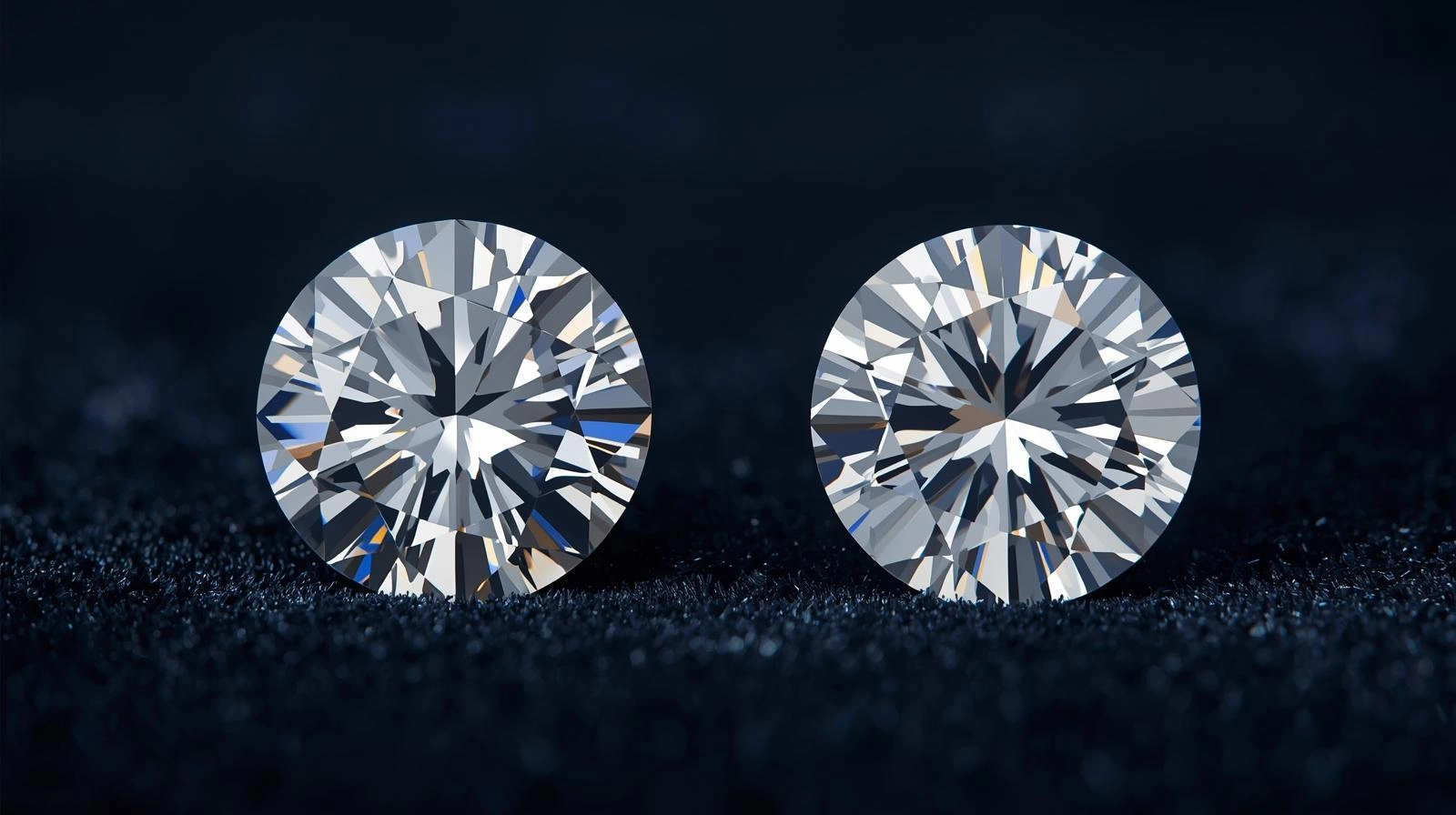
When buying a diamond, many people naturally rely on the 4Cs—cut, color, clarity, and carat weight—to judge quality and price. On paper, the logic seems simple: if two diamonds share the same 4Cs, they should cost roughly the same. Yet in real life, buyers are often surprised to find noticeable price differences between diamonds that appear identical on grading reports.
Confusions are created where for first time some buyer, families choosing heirloom pieces, or those gifting diamonds for life’s most meaningful moments. Understanding why two diamonds with the same 4Cs can still carry different price tags is essential for making confident, rational, and informed decisions.
This guide explains the real factors behind diamond pricing guide—calmly, transparently, and without sales pressure—so you can understand value beyond numbers.
Why Do Two Diamond With the Same 4Cs Have Different Prices?
The 4Cs remain the foundation of diamond evaluation, but they do not tell the full story. Diamond pricing guide is shaped by a combination of technical precision, human judgment, market behavior, and long-term desirability.
Small variations—often invisible to the untrained eye—can significantly affect brilliance, durability, trust, and resale potential. These differences explain why diamonds with identical grading reports may still vary in value.
Let’s explore these factors one by one.
Cut Quality: More Than a Single Grade
Although cut is part of the 4Cs, its impact goes far beyond a single word like “Excellent” or “Very Good.”
- Cut quality includes:
- Exact proportions
- Symmetry
- Polish
- Light performance
Two diamonds may both carry an “Excellent” cut grade, yet one may reflect light more efficiently due to superior craftsmanship. That difference are created in diamonds sparkle that directly affected by the visibility and its values.
A well-cut diamond appears brighter and more vibrant, often looking larger and cleaner than its counterpart. Buyers consistently pay a premium for this visual advantage, even when carat weight and clarity match perfectly.
Human insight:
Most people don’t fall in love with a certificate—they fall in love with how a diamond looks when it catches the light.
Diamond Shape and Market Demand
Diamond shape plays a powerful role in pricing, even when the 4Cs are identical.
Round brilliant diamonds typically command higher prices due to:
- Higher demand
- Greater rough diamond waste during cutting
- Long-standing market preference
Fancy shapes—such as oval, cushion, emerald, or pear—can offer similar quality at a lower price, not because they are inferior, but because demand patterns differ.
Market preferences shift slowly over time, but round diamonds have historically remained the most liquid and universally sought-after option.
Educational insight:
Price differences here are driven by consumer behavior, not quality gaps.
Certification Authority and Buyer Confidence
Diamond certification are the most imported pricing factors.
Diamonds graded by globally respected laboratories—such as GIA or AGS—often sell at higher prices than stones graded by lesser-known labs, even when the 4Cs appear identical.
Why? Because buyers trust consistency, accuracy, and strict grading standards. That trust directly influences market value and long-term confidence.
A diamond with a reliable certificate reduces uncertainty—especially important for family purchases, inheritance planning, or future resale considerations.
Fluorescence and Its Subtle Impact
Diamond fluorescence refers to how a diamond reacts under ultraviolet (UV) light. While some fluorescence is harmless—or even beneficial in certain cases—strong fluorescence can sometimes cause a diamond to appear hazy or milky in daylight.
When two diamond with the same 4Cs are compared:
- A diamond with strong fluorescence may be priced lower
- A diamond with faint or no fluorescence may command a premium
This adjustment reflects perceived visual risk rather than guaranteed flaws.
Market reality:
Fluorescence pricing are guided by buyer caution and historical perception, not always by visible difference.
Origin, Ethics, and Supply Chain Transparency
Where and how a diamond is sourced increasingly affects its value.
Diamonds with clear, conflict-free origins—or those sourced through transparent supply chains—often carry higher prices. Ethical sourcing reassures buyers that their purchase aligns with responsible practices.
Similarly:
- Lab-grown diamonds
- Sustainably sourced diamonds
These categories reflect changing consumer values and market awareness. While lab-grown diamonds generally cost less than mined diamonds, certified ethical sourcing can still influence pricing within both categories.
Human element:
For many families, peace of mind is part of the diamond’s value.
Diamond Treatments and Disclosure
Some diamonds undergo treatments to enhance cut,calarity or color. While many treatments are accepted and disclosed, they can influence price depending on permanence and buyer perception.
For example:
- Laser drilling or fracture filling may reduce value
- Permanent treatments like HPHT may retain value if disclosed
Natural, untreated diamonds tend to command higher prices because of rarity and long-term stability.
Transparency here is key—pricing reflects both rarity and trust.
Market Volatility and Diamond Pricing guide Trends
Diamond prices do not exist in isolation. They are influenced by:
- Global supply and demand
- Currency fluctuations
- Mining output
- Consumer confidence
Short-term price changes can occur due to market uncertainty, even when diamond quality remains unchanged. Buyers who understand this volatility can time purchases more strategically.
Financial insight:
Diamonds are emotional assets—but they still move within economic cycles.
Buying Diamonds With a Long-Term Perspective
Whether a diamond is purchased for an engagement, a gift, or as part of a family legacy, its value extends beyond immediate appearance.
When comparing two diamond with the same 4Cs, consider:
- Visual performance
- Certification credibility
- Ethical sourcing
- Market liquidity
A slightly higher upfront price may translate into greater satisfaction, durability, and future value.
Key Takeaways
Diamond price are never judged by the number alone or value. The 4Cs are essential, but they are only the starting point. Craftsmanship, trust, market behavior, and human perception all influence why two diamonds with the same 4Cs can differ in price.
An informed buyer looks beyond the report and evaluates the diamond as a whole—balancing beauty, confidence, and purpose.
Conclusion
Two diamonds may share identical grades on paper, but their true worthare shaped by details that go beyond measurement. Precision of cut, strength of certification, ethical origin, and market confidence all influence how a diamond performs, feels, and holds value over time. When a diamond marks a life milestone—an engagement, a family gift, or a legacy—it deserves thoughtful consideration rather than quick comparison. Understanding what lies beyond the 4Cs are allow to understand that not only offer the technicaly support but give us lasting, beauting, meaning or trust.
FAQs
1. Why do two diamonds with the same 4Cs have different prices?
Two Diamonds With the Same 4Cs can differ in price due to cut precision, certification authority, market demand, and visual brilliance.
2. Does cut really matter for two diamonds with the same 4Cs?
Yes, cut quality controls light reflection and sparkle, making Two Diamonds With the Same 4Cs look and feel very different.
3. Can diamond shape affect pricing with the same 4Cs?
Absolutely. Even with Two Diamonds With the Same 4Cs, popular shapes like round diamonds usually cost more.
4. How important is certification for same 4Cs diamonds?
Certification plays a major role. Two Diamonds With the Same 4Cs certified by trusted labs often command higher prices.
5. Does fluorescence change the value of same 4Cs diamonds?
Yes, strong fluorescence can impact appearance, causing Two Diamonds With the Same 4Cs to be priced differently.
6. Are lab-grown diamonds cheaper than natural ones with same 4Cs?
Generally yes. Two Diamonds With the Same 4Cs cost less when one is lab-grown due to lower production costs.
7. Do market trends affect prices of same 4Cs diamonds?
Market demand, rarity, and pricing volatility can influence Two Diamonds With the Same 4Cs significantly.
8. Should buyers look beyond the 4Cs when choosing a diamond?
Definitely. Two Diamonds With the Same 4Cs may differ greatly in beauty, trust, and long-term value.