When it comes to purchasing a diamond, few topics are as essential—or as confusing—as diamond certification. Many buyers walk into a jewelry store or browse online and hear terms like GIA, IGI, or “certified diamond,” and immediately feel overwhelmed. Questions arise: “What does this certification really mean?” “Does it affect the stone’s value?” or “Am I getting a fair price?” With so much information—and misinformation—floating around, it can be challenging to make an informed decision.
This guide will break down diamonds certification in clear, approachable language. Whether you are looking for an engagement ring, a family heirloom, or a meaningful gift for someone special, understanding certification helps you make smarter, more confident choices.Many diamonds are present in different form. By the end of this article, you will be able to evaluate certified diamonds effectively, understand how certification impacts price and resale value, and make selections that balance beauty, quality, and investment.
What Is Best Diamond Certification Guide and Why Does It Matter?
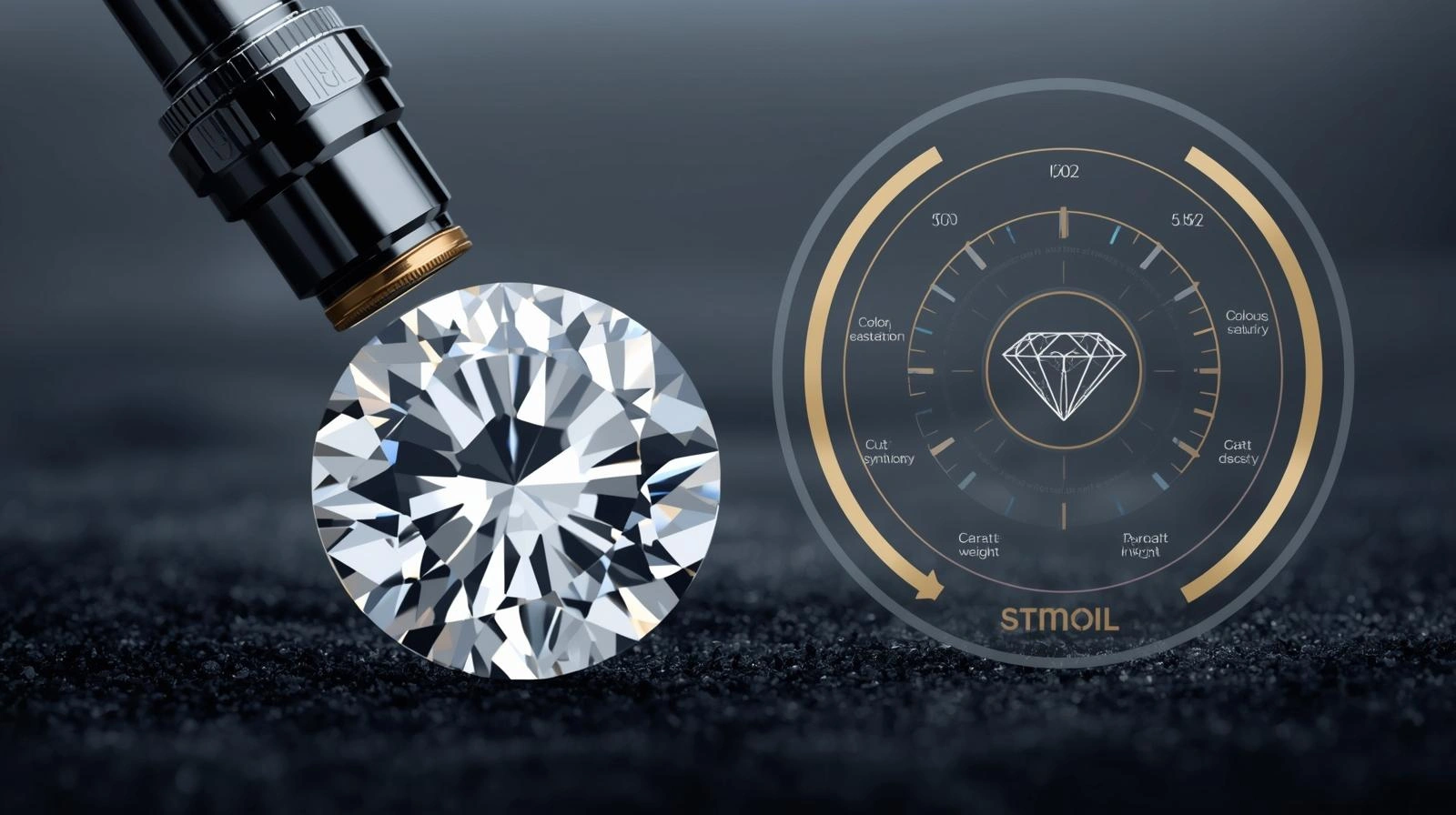
A diamond certificate is a detailed report issued by an independent gemological laboratory that evaluates a diamond’s key characteristics: cut, color, clarity, and carat weight—collectively known as the 4 Cs. This document acts as a neutral, third-party verification, ensuring buyers have an objective record of the diamond’s quality.
Without certification, buyers rely solely on the jeweler’s description or reputation. Even well-intentioned sellers may unintentionally miscommunicate a diamond’s true quality, which can lead to overpaying or buying a stone that does not meet expectations. A certificate, on the other hand, offers both financial and emotional assurance. It confirms the authenticity and provides transparency, which is especially important when investing in high-value diamonds.
Pro Tip: Always request the diamond’s certification before making a purchase.Mnay diamonds are not consist of certificated. It is essential not only for validating quality but also for insurance purposes, future resale, or passing the diamond down as a family heirloom.
Your Dream Jewelry, Designed Just for You!
Custom engagement rings, luxury colored gemstones, and diamond creations—crafted in Las Vegas by expert designers with 30+ years of experience. Call us now to make your vision a reality!
(702) 773-1747The Purpose of Diamond Certification Guide
Diamonds certification is not simply a label or decorative document—it serves multiple purposes:
Verification of Authenticity: Ensures the stone is a natural diamond and confirms its quality.
Detailed Information: Provides insights into the diamond’s cut, color, clarity, and carat.
Objective Comparison: Allows buyers to compare diamonds from different jewelers accurately.
Investment Protection: Helps maintain long-term value and resale potential.
For instance, consider a father purchasing an engagement ring for his daughter. Certification ensures that the diamond is fairly priced and properly documented, providing confidence that the investment will retain value over time. Certification are major factor for the buyer.This dual financial and emotional role makes certification a cornerstone of thoughtful diamond purchases.
Types of Best Diamonds Certification Guide
Several organizations issue diamond certificates, but the most recognized and trusted globally are:
1. Gemological Institute of America (GIA)
Renowned for strict grading standards and rigorous evaluations.
- GIA reports are widely respected and accepted across both retail and resale markets.
- Often considered the industry gold standard due to precision and reliability.
2. International Gemological Institute (IGI)
- A reputable organization but generally more lenient in grading.
- IGI-certified diamonds may receive slightly higher grades than the same stone would earn from GIA.
Offers good value when purchased from trusted retailers, but requires careful assessment.
Pro Tip: If resale or investment potential is a priority, GIA-certified diamonds are preferred. However, IGI certificates can be a smart choice for budget-conscious buyers seeking verified quality.
How Certification Influences Diamond Pricing
Diamonds certification significantly impacts pricing. A GIA-certified stone often commands a higher price because buyers trust the independent evaluation. Studies suggest that diamonds with GIA certificates can cost 15–30% more than similar stones without certification, reflecting both credibility and market confidence.
Market Insight: During times of economic uncertainty, mid-tier certified diamonds, such as G-H color grades, are in high demand. These diamonds offer near-colorless brilliance at a more accessible price, making them attractive for buyers balancing quality with budget. Understanding certification allows buyers to take advantage of these market trends and achieve better value.Diamonds certification are major part for pricing .
Understanding the Key Elements of a Diamond Certificate
A diamond certificate typically details the following characteristics:
Cut – The most critical factor affecting brilliance. A diamond’s cut determines how effectively it reflects light. Even a high-color diamond will appear dull if the cut is poor. Excellent or Very Good cuts ensure maximum sparkle, creating the dazzling effect that buyers expect.
Color – Graded from D (completely colorless) to Z (light yellow or brown). Colorless diamonds allow more light to pass through, enhancing sparkle. Near-colorless diamonds (G-H) can appear just as visually stunning, especially when set in complementary metals, offering savings without compromising beauty. Diamond color are present in differnt shapes.
Clarity – Assesses internal inclusions or flaws. Flawless diamonds (FL) are rare and expensive, while VS1 or VS2 diamonds often provide excellent appearance at a reasonable price. Understanding clarity is essential for balancing visual appeal with budget.
Carat Weight – Represents size but is not the only indicator of beauty. A smaller, well-cut diamond may sparkle more than a larger stone with inferior cut or clarity. Buyers should consider overall proportions alongside carat weight.
Expert Insight: When prioritizing brilliance and value, clarity and cut often matter more than chasing the absolute top color grade. A well-cut G-H diamond can appear more radiant than a poorly cut D-grade stone in real-world settings.
How Shape and Setting Affect Perceived Color
Even certified diamonds can appear different depending on their shape and the jewelry setting:
Shape Influence: Round diamonds often reveal color more easily, while fancy shapes like oval or pear cuts may mask subtle tints.
Metal Choice: White gold or platinum settings emphasize colorlessness, making near-colorless diamonds appear whiter. Yellow gold complements slightly tinted diamonds, balancing warmth and reducing visible color.
Pro Tip: For buyers with budget limitations, pairing a near-colorless G-H diamond with a white or platinum setting enhances perceived brilliance without extra cost. This approach maximizes beauty and value simultaneously.Diamond color are often reveal to the easily round diamond.
Common Mistakes Buyers Make
Even with certification, buyers often make errors that affect satisfaction or financial outcomes:
Overemphasizing Certification Alone – Certification confirms quality but does not guarantee visual appeal. Always view the stone in person or request high-resolution images.
Ignoring Cut for Color – Many buyers prioritize D-grade color diamonds while overlooking cut. A well-cut G-H diamond often sparkles more and provides better visual value.
Neglecting Resale and Legacy Considerations – Certified diamonds maintain resale value better. For families planning to pass stones down generations, clear documentation and certification are essential.
Using Certification to Your Advantage
To maximize the benefits of diamonds certification:
Compare Reports – Evaluate similar stones across multiple jewelers to ensure consistent grading and pricing.
Verify Lab Credibility – Check certificate numbers on GIA or IGI websites to confirm authenticity.
Consider the Whole Stone – Evaluate cut, color, clarity, carat, and overall appearance.
Track Market Trends – Mid-tier certified diamonds can provide better value during economic shifts.
Real-Life Example: Sarah wanted a 1-carat engagement ring with a $6,000 budget. A GIA-certified D-color diamond was beyond reach. By selecting a G-H, VS2, well-cut diamond, she achieved her desired brilliance while staying within budget. Pairing it with a platinum setting further enhanced its sparkle without additional expense.So diamond certification guide are a major factor.
Historical Context of Best Diamonds Certification Guide
The Gemological Institute of America (GIA) introduced standardized grading in the 1950s to provide transparency and trust in diamond buying. Before certification, buyers relied entirely on the jeweler’s reputation, which often led to inconsistent quality assessments.
Today, certification ensures global credibility. Online verification of certificate numbers has further strengthened trust, making diamonds safer to purchase from anywhere in the world. Over time, certification has evolved into a key consideration not only for personal purchases but also for family gifting, investment, and legacy planning. Diamonds certication are certified by the GIA .This historical perspective underscores why certification is more than a fashion accessory—it’s a financial and emotional safeguard.
Conclusion
Understanding diamond certification guide is essential for anyone investing in a diamond. It goes beyond simply providing a grade or label—it equips buyers with knowledge to make informed, confident decisions. Certified diamonds offer reassurance about quality, pricing, and authenticity, but the most successful purchases consider a balance of factors: cut, clarity, carat weight, color, shape, and setting.
Market awareness and historical context add another layer of insight, allowing buyers to select stones that retain value over time and can be cherished as family heirlooms. By approaching certification thoughtfully, buyers can secure diamonds that not only dazzle with brilliance but also provide enduring worth, emotional significance, and financial assurance, creating a smart and meaningful purchase that will shine for generations.
FAQs
1. What is diamond certification and why is it important?
Diamond certification guide verifies the 4Cs—cut, color, clarity, and carat—through an independent laboratory, helping buyers confirm that they are paying for genuine and accurately graded quality.
2. What is the difference between GIA and IGI diamond certification guide?
GIA diamond certification is known for strict grading standards and global recognition, while IGI certification is slightly more lenient but still provides reliable quality verification.
3. Can I trust a diamond with IGI diamond certification?
Yes, an IGI diamond certification can be trusted when purchasing from a reputable retailer, though grades may appear marginally higher compared to GIA standards.
4. How does best diamond certification guide affect resale value?
Diamonds with GIA diamond certification often retain stronger resale value due to the lab’s credibility and widespread acceptance within the jewelry industry.
5. Does diamond certification impact pricing?
Yes. Diamonds with recognized diamond certification, especially from GIA, typically command higher prices because buyers trust the accuracy of the independent evaluation.