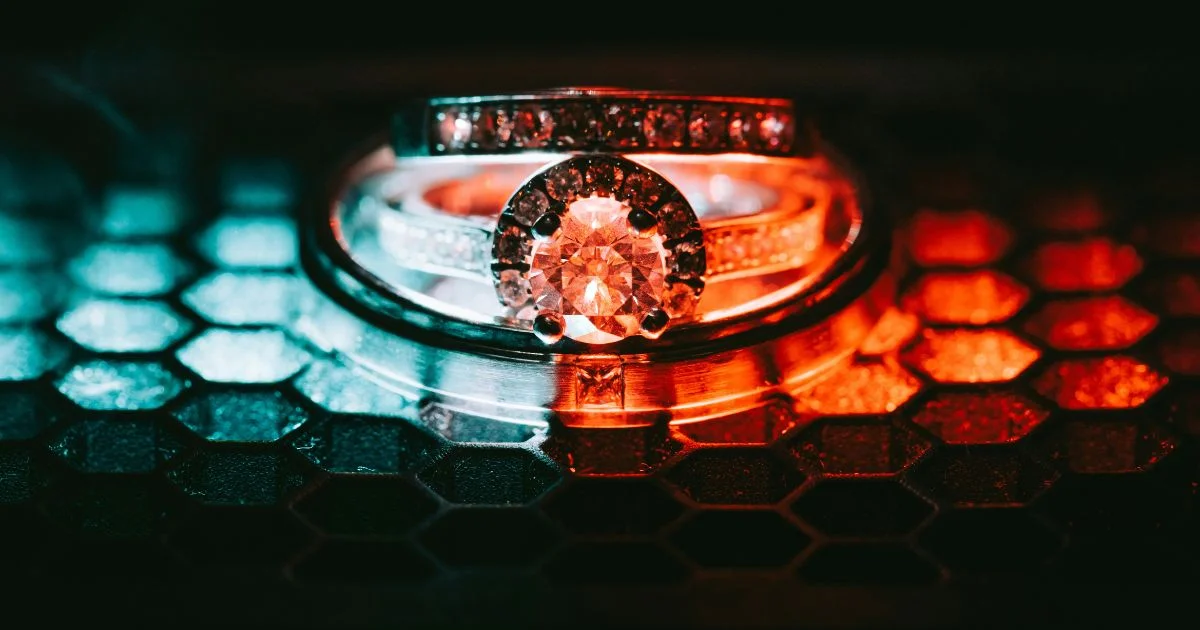
One of the most important choices you will ever make in your life is purchasing an engagement ring. Selecting a lovely piece of jewelry are only one aspect of it; another is using it to represent your love, dedication, and the future you two intend to have together. Many first-time purchasers may find this process daunting. Your mind is constantly racing with questions: Will she adore it? Does her personality fit this style? Am I choosing wisely in terms of money?
The purpose of this engagement ring buying guide are to give you the confidence you need to handle these issues. You can choose a ring that are timeless and meaningful while balancing financial and emotional factors by learning common mistakes and knowing what really counts in a ring. This guide guarantees that you make an informed decision at every stage, whether you are thinking about a traditional diamond engagement ring, a distinctive proposal ring featuring a gemstone, or custom rings.
Your Dream Jewelry, Designed Just for You!
Custom engagement rings, luxury colored gemstones, and diamond creations—crafted in Las Vegas by expert designers with 30+ years of experience. Call us now to make your vision a reality!
(702) 773-1747Why First-Time Buyers Often Make Mistakes
Many buyers approach the engagement ring shopping process without a clear plan. The stakes are high, emotions are strong, and without proper guidance, errors are inevitable. Studies show that nearly 60% of first-time engagement ring buyers later regret some aspects of their purchase, most commonly related to the style, size, or overall budget.
The five common mistakes included by neglecting 4Cs, ignoring ring settings and metals, failing to set a realistic budget, choosing the wrong size, and skipping research on certification and diamond sourcing. By learning to avoid these pitfalls, you can save both time and money, and most importantly, create a memorable and meaningful engagement experience.
1. Ignoring the “4 Cs” of Diamonds
One of the most critical mistakes for the first time buyer when he purchase some diamonds and ignoring the 4Cs diamonds:cut,color,clarity and carat. These elements determine both the beauty and value of your diamond, and understanding them is essential for any smart purchase.
Cut: The cut are the most crucial factor for sparkle. A diamond with an excellent cut reflects light beautifully, making it appear more brilliant, even if it is smaller.
Color: Diamond color is graded from D (colorless) to Z. While colorless diamonds such as G and H provide a balance between quality and affordable.
Clarity: Refers to internal imperfections known as inclusions. Many diamonds appear flawless to the naked eye despite minor inclusions.
Carat: Carat measures weight, not size. A smaller diamond with a superior cut can appear larger and more dazzling than a heavier, poorly cut stone.
Pro Tip: Educate yourself on the 4 Cs before shopping. Understanding these factors helps you avoid overpaying for a diamond that looks dull or smaller than expected.
Example: John purchased a 2-carat diamond that had a poor cut. While the stone was large, it lacked brilliance. Later, he realized that choosing a slightly smaller diamond with a better cut would have produced a much more stunning result.
By following this Engagement Rings Buying Guide, your investment will reflect quality, beauty, and lasting value.
2. Overlooking the Ring Setting and Band Style
An engagement ring is incomplete without a stunning diamond. The ring’s durability and look are greatly influenced by the band and setting.
Some popular engagement ring setting are describes
Prong Setting: Offers maximum sparkle but requires careful maintenance.
Bezel Setting: Encircles the diamond, providing protection for active lifestyles.
Channel Setting: A sleek design with small diamonds along the band adds sparkle without being overly delicate.
Choosing the Right Band
Metals like platinum, white gold, rose gold, or yellow gold affect the ring’s style, longevity, and ability to match her own preferences.
Pro Tip: Consider your partner’s lifestyle. An active person may benefit from a low-profile or bezel setting for daily wear.
Example: Sarah had an elaborate halo setting that Adam had chosen, but it was too delicate for daily wear. It would have been more sensible to choose a more straightforward solitaire setup.
In order to ensure that your partner can wear the ring for many years without any damage, this engagement ring places a strong emphasis on matching style with both beauty and functionality.
3. Not Setting a Realistic Engagement Ring buying guide Budget
Money are often a source of stress for buyers, and without a clear budget, it’s easy to overspend or compromise on quality.
Pro Tip: Before you go shopping, decide on a comfortable spending limit. Pay more attention to overall quality and diamond cut than just carat size. If you want to keep costs down without compromising style, think using lab-grown diamonds or other gemstones.
Example: At first, Mark wanted a $10,000 diamond, but he found that a high-quality diamond that cost $6,000 and had excellent cut and clarity looked even better. He discovered a ring that delighted his partner and saved $4,000 by putting quality above size.
A trusted Engagement Rings Buying Guide always stresses value over price. Remember, your ring should reflect your love, not social expectations.
4. Failing to Choose the Right Ring Size
An ill-fitting ring can result in costly resizing or even ruin the proposal moment.
Pro Tip: Borrow one of your partner’s existing rings or consult a jeweler who offers sizing assistance. Most women wear sizes 5–7. When in doubt, selecting a slightly larger ring is safer, as resizing down is usually easier than resizing up.
Example: Michael guessed the ring size incorrectly and had to wait weeks for resizing, delaying his carefully planned proposal.
Choosing the correct size ensures a perfect fit, enhancing the ring’s comfort and significance.
5. Skipping Research on Diamond Sources and Certification
Genuineness is important. Buying from unreliable sources may result in diamonds that are too expensive or of poor quality.
Pro Tip: Always use the GIA or AGS to confirm diamond certification. If you care about sustainability, make sure the sourcing is ethical and look at lab-grown choices.
Example: Claire bought a diamond without certification, only to discover it was valued far lower than what she had paid.
Following this Engagement Rings Buying Guide ensures your ring is genuine, ethically sourced, and a sound investment.
Choosing the Right Jeweler
Even with perfect knowledge of diamonds, your choice of jeweler can make a significant difference. A reputable jeweler provides transparency, expertise, and guidance.
1. Certification and Credentials
Ask your jeweler for certification of diamonds and gemstones. Diamonds certification are a major impact on the this worth. Verified GIA or AGS reports confirm the quality and authenticity of the stone.
2. Transparent Pricing and Return Policies
Look for clear pricing, return options, and trade-up policies. This transparency provides peace of mind and ensures your purchase meets expectations.
Personalizing the Engagement Ring
Personalization adds emotional value, making the ring truly unique.
Custom Engravings
The ring becomes unique when initials, dates, or brief phrases are added. For elegance, keep it brief.
Alternative Gemstones
While diamonds remain classic, sapphires, emeralds, and moissanite offer beauty, uniqueness, and affordability.
Example: Emily chose a sapphire engagement ring because it reflected her favorite color, creating a personal and meaningful proposal ring.
Key Engagement Ring Trends for 2026
Vintage-Inspired Designs
Trending now are elaborate and antique features, which give engagement jewelry personality and charm.
Lab-Grown Diamonds
Lab-grown diamonds are eco-friendly and cost are effectivense and chemical is identical to the natural diamonds, making them a modern favorite for ethically-conscious couples.
Pro Tip: Discuss trends and sustainability options with your jeweler, especially if considering custom rings.
Conclusion
Purchasing an engagement ring may seem intimidating, but by using this engagement ring buying guide, you can choose a ring that expresses your love and commitment, remain within your budget, and avoid typical blunders. To make your proposal unique, educate yourself, pick a trustworthy jeweler, set a reasonable budget, and customize the ring.
Keep in mind that the ideal ring is about purpose, consideration, and the narrative it tells, not just about size or cost.
FAQ
1. What’s the most common engagement ring buying guide mistake?
Not understanding the 4 Cs leads to overpaying or choosing a low-quality diamond. This guide helps buyers focus on what truly matters.
2. How do I avoid overspending on an engagement ring buying guide?
Decide on a budget before shopping and focus on diamond cut and clarity. Consider lab-grown diamonds or alternative gemstones for better value.
3. Should I choose a diamond or gemstone for my proposal ring?
Diamonds are classic, but gemstones like sapphires, emeralds, or moissanite offer a unique touch. They’re beautiful, personal, and often more affordable.
4. How do I ensure the diamond is ethically sourced?
Follow an Engagement Ring Buying Guide to verify GIA or AGS certification and confirm conflict-free sourcing. Lab-grown diamonds are a sustainable alternative.
5. What if I don’t know my partner’s ring size?
Borrow a ring they wear or follow a trusted Engagement Ring Buying Guide for sizing tips. Choosing slightly larger makes resizing easier if needed.
6. Can I personalize my engagement ring buying guide?
Yes, through custom engravings or choosing unique gemstones. Personalization makes the ring meaningful and one-of-a-kind.