The 4Cs of Diamond Grading Guide
The four characteristics: cut, carat (weight), clarity, and color determine how much a diamond is worth.
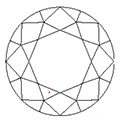
Diamond proportion is very important. Round brilliant diamonds are usually cut with 58 facets. The proportionional similarity of these facets on the diamond affect how much light will be reflected to the viewer. The better the cut, the more the diamond will sparkle. Ask for the table percentage. A good table percentage is between 55-60%.
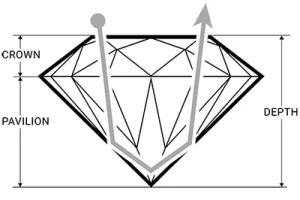
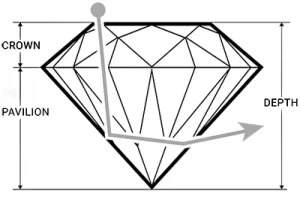
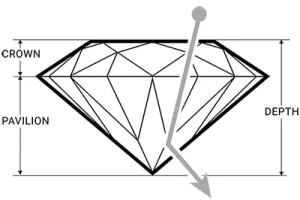
How does pavilion depth affect a diamond’s cut?
Precise artistry and workmanship are required to fashion a stone so its proportions, symmetry and polish deliver the magnificent return of light only possible in a diamond.
A pavilion depth that’s too shallow or too deep will allow light to escape from the side of the stone or leak out of the bottom. A well-cut diamond will direct more light through the crown, creating maximum brilliance.
TOO SHALLOW |
IDEAL |
TOO DEEP |
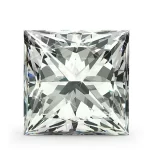
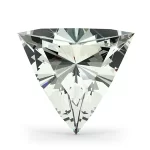
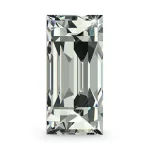
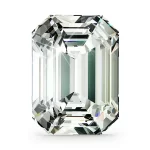
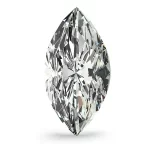
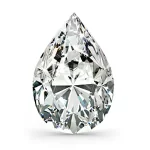
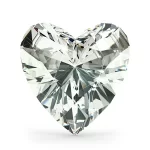
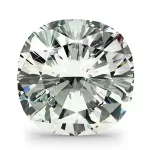
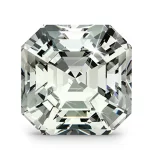
Cut also determines the shape such as pear, round or oval. When having a diamond mounted, appraise and record the stone’s measurements which never change. After the stone is mounted, verify that it matches the measurements and/or appraisal certificate.
ROUND |
PRINCESS |
TRILLIANT |
BAGUETTE |
EMERALD |
MARQUISE |
PEAR |
HEART |
OVAL |
CUSHION |
ASSCHER |
RADIANT |
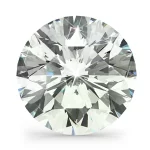
Carat is the measurement of a gem’s weight. Larger gems often cost more per carat because of their size. There are 100 points to a carat. A 50 point diamond equals 1/2 a carat. One gram is 5 carats. Ascertain the actual point size of a diamond instead of the fractional weight. Some jewelers will try to sell a .90 diamond as a 1 carat diamond which would be much more expensive.
0.25 Carat 4.1 mm | 0.50 Carat 5.0 mm | 0.75 Carat 5.8 mm | 1.00 Carat 6.5 mm | 1.50 Carat 7.4 mm | 2.00 Carat 8.2 mm |
Clarity or clearness ranges from flawless (perfect) to I (included):
- Flawless: perfect inside and out.
- Internally Flawless: might have minor blemishes on the outside.
- VVS1, VVS2: have very tiny inclusions.
- VVS1 inclusions are only visible through the pavilion.
- VVS2 inclusions are slightly larger.
- VS1, VS2: have very small inclusions.
- VS1 inclusions are smaller than VS2 and harder to detect.
- SI1, SI2, SI3: have small inclusions.
- I1, I2, I3: have inclusions that can be seen by the naked eye.
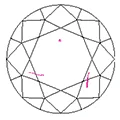
VVS2 |
VS2 |
SI2 |
I2 |
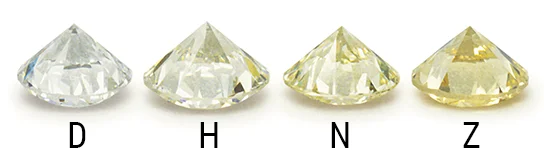
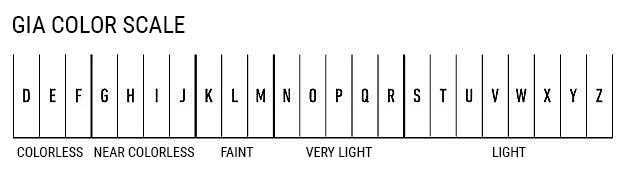
Colors range from D – X for white and yellow diamonds. D is the whitest. At S they are “Fancy” yellow Diamonds. There are also, pink, red, green, blue and brown diamonds which are typically irradiated.
What Is Diamond Grading?
Diamond grading is the professional process of evaluating a diamond’s physical and visual characteristics. Certified gemologists examine each diamond under controlled conditions to determine its quality based on standardized criteria.
A diamond grading report allows buyers to objectively compare diamonds and ensures transparency before purchase. Every diamond is unique, and grading helps identify the true value and appearance of each stone.
Diamond Grading Glossary
- BRILLIANCE: The intensity of white light reflected through the top of the diamond.
- CROWN: The top part of a diamond, from the girdle to the table.
- CULET: The bottom facet at the tip of the diamond.
- DEPTH: The height of a gemstone, from the culet to the table.
- DIAMETER: The width of the diamond, measured around the girdle.
- DISPERSION: The result of white light splitting into all the colors of the rainbow.
- EYE CLEAN: A term meaning no flaws are visible to the unaided eye when viewed from 12 inches away, with the diamond face up.
- FACE UP: The diamond viewed from the top of the stone.
- FACET: The flat, polished surfaces on the diamond. All Variety Gem diamonds have 57 facets.
- FIRE: When moved, these are flashes of color reflected from within a diamond, resulting from dispersion. Just like a prism, white light entering a diamond separates into all the colors of the rainbow.
- FLAW: Any external or internal imperfection in a diamond.
- FLUORESCENCE: The luminescence exhibited in certain diamonds when exposed to ultraviolet light or strong sunlight. Fluorescence is most commonly blue in color, but can also be a variety of other colors.
- GIRDLE: The narrow band encircling the widest part of a diamond. It may be faceted or non-faceted.
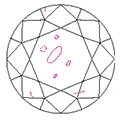
- INCLUSION: An impurity within a diamond. Inclusions may or may not be visible with the unaided eye. Fewer inclusions ensure a finer clarity grade.
- PAVILION: The bottom part of a diamond, from below the girdle to the tip of the culet.
- POLISH: The smooth, shiny finish on the facets of a diamond. Ideal polish is critical for maximum diamond brilliance.
- PROPORTIONS: The cutting quality relative to the depth percentage, table percentage, girdle percentage, symmetry and crown and pavilion angle. Proportions influence light refraction and reflection within the diamond.
- SCINTILLATION: Flashes of reflected light from a diamond when it moves. Commonly referred to as sparkle.
- SYMMETRY: The overall uniformity of a stone’s cut, which can range from poor to Ideal. The symmetrical alignment of facets makes for a more stunning diamond.
- TABLE: The largest, flat facet on the top of a diamond.
Diamond Certification and Why It Matters
A diamond grading certificate is your key to buying with confidence. It confirms the quality and authenticity of a diamond, providing a detailed report from trusted laboratories that explains the 4Cs — cut, color, clarity, and carat — along with other important characteristics. Whenever you’re investing in high-value jewelry, always request a grading report. Certification ensures transparency, protects your purchase, and gives you peace of mind knowing exactly what you’re getting.
When choosing the right diamond, start with the cut, as it determines the sparkle and overall visual impact. Next, balance color and clarity: diamonds in the G–H color range with eye-clean clarity offer excellent value without compromising beauty. Carat weight is important, but bigger is not always better — it’s the combination of cut, color, and clarity that makes a diamond truly stunning.
Caring for Diamond Jewelry
Diamonds are durable but still require proper care:
- Store jewelry separately
- Clean with mild soap and a soft brush
- Avoid harsh chemicals and impacts
- Have settings inspected regularly
Proper care maintains brilliance and protects long-term value.
Final Thoughts
Understanding diamond grading empowers you to choose jewelry that reflects beauty, quality, and meaning. At Diamonds n Colors, we believe knowledge enhances confidence and ensures every diamond tells a story worth cherishing.
Tips for General Care
Even though you may wear your diamond ring 24 hours a day, you should still give thought to its care.
- Don’t wear it when you’re doing rough work.
- Even though a diamond is durable, it can be chipped by a hard blow.
- Don’t let your diamond come in contact with a chlorine bleach when you’re doing household chores.
- It can damage and discolor the mounting.
Do see your jeweler at least once a year and have him check your ring and other precious pieces for loose prongs and wear of mountings. He’ll usually give them a professional “shine-up” too.
FAQs
Diamond grading is the professional evaluation of a diamond’s cut, color, clarity, and carat weight. It is important because grading helps buyers understand diamond quality, compare stones fairly, and make confident purchasing decisions based on certified standards.
The 4Cs of diamond grading are cut, color, clarity, and carat. These factors determine a diamond’s sparkle, appearance, rarity, and value, helping buyers balance beauty and budget when selecting diamonds for engagement rings or fine jewelry.
The best diamond cut for maximum sparkle is an Excellent or Very Good cut. A well-cut diamond reflects light efficiently, producing brilliance and fire, while poorly cut diamonds can appear dull even with high color or clarity grades.
Diamond color grading measures how colorless a diamond appears. Near-colorless diamonds, such as G or H grades, often look white to the naked eye and offer excellent value, while higher grades are rarer and more expensive.
Yes, diamond certification is essential because it provides an unbiased evaluation of a diamond’s quality. A grading report from a trusted laboratory confirms the 4Cs, ensures transparency, and protects buyers when purchasing high-value diamond jewelry.


0.25 Carat 4.1 mm
0.50 Carat 5.0 mm
0.75 Carat 5.8 mm
1.00 Carat 6.5 mm
1.50 Carat 7.4 mm
2.00 Carat 8.2 mm