Buying a diamond color should feel exciting, not confusing. Yet for many people, the moment they hear terms like “D grade,” “near-colorless,” or “light tint,” uncertainty begins. You may ask yourself: If diamonds are supposed to be clear, why do they even have color? Or perhaps you are wondering whether paying more for a higher grade truly makes a visible difference.
Understanding diamond grading does not require gemology training. Diamond color are depend on this quality and its worth . It simply requires calm explanation and clear context. Whether you are selecting an engagement ring, choosing an anniversary gift, adding to a personal collection, or preparing a piece that may one day be passed down in your family, clarity about grading protects both your emotions and your investment.
This guide approaches the topic with education first. No pressure, no exaggerated claims—just structured insight so you can make a confident, balanced decision.
Your Dream Jewelry, Designed Just for You!
Custom engagement rings, luxury colored gemstones, and diamond creations—crafted in Las Vegas by expert designers with 30+ years of experience. Call us now to make your vision a reality!
(702) 773-1747Understanding Diamond Color in Practical Terms
When professionals refer to Diamonds Color, they are not talking about bright blue or pink stones. They are referring to the subtle presence of yellow or brown tones within a white best diamond color. There are many ways to measure the diamond .The grading scale measures how clossing diamond color comes to being completely colorless.
The internationally recognized grading system ranges from:
- D (Colorless)
- Through E and F (Colorless)
- Down to G–J (Near Colorless to Slight Tint)
- And further toward visible yellow or brown tones (K–Z)
The closer a diamond are to D, the less visible body color it contains under controlled lighting conditions.
But here is what matters most: grading differences are often subtle. In everyday viewing conditions, many people cannot distinguish between a D and a G without side-by-side comparison under laboratory lighting.
This is where rational decision-making becomes essential.
Why the Grading Scale Starts at “D”
You may wonder why the scale begins at D instead of A. Historically, early grading systems used inconsistent labels like A, AA, or AAA. To eliminate confusion and standardize evaluation globally, the Gemological Institute of America (GIA) introduced a new system starting at D. This prevented overlap with older, less reliable grading methods.
Over time, this scale became the global benchmark.
Understanding this historical background helps build trust in the system. It also reminds buyers that grading is structured science—not marketing language.
How Diamonds Color Affects Appearance
Light performance is the central reason grading matters.
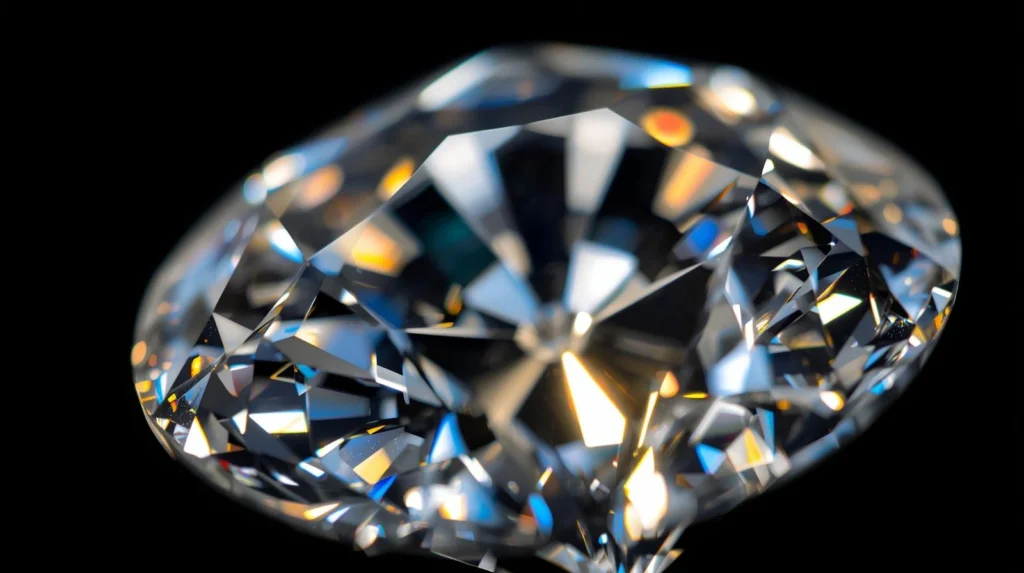
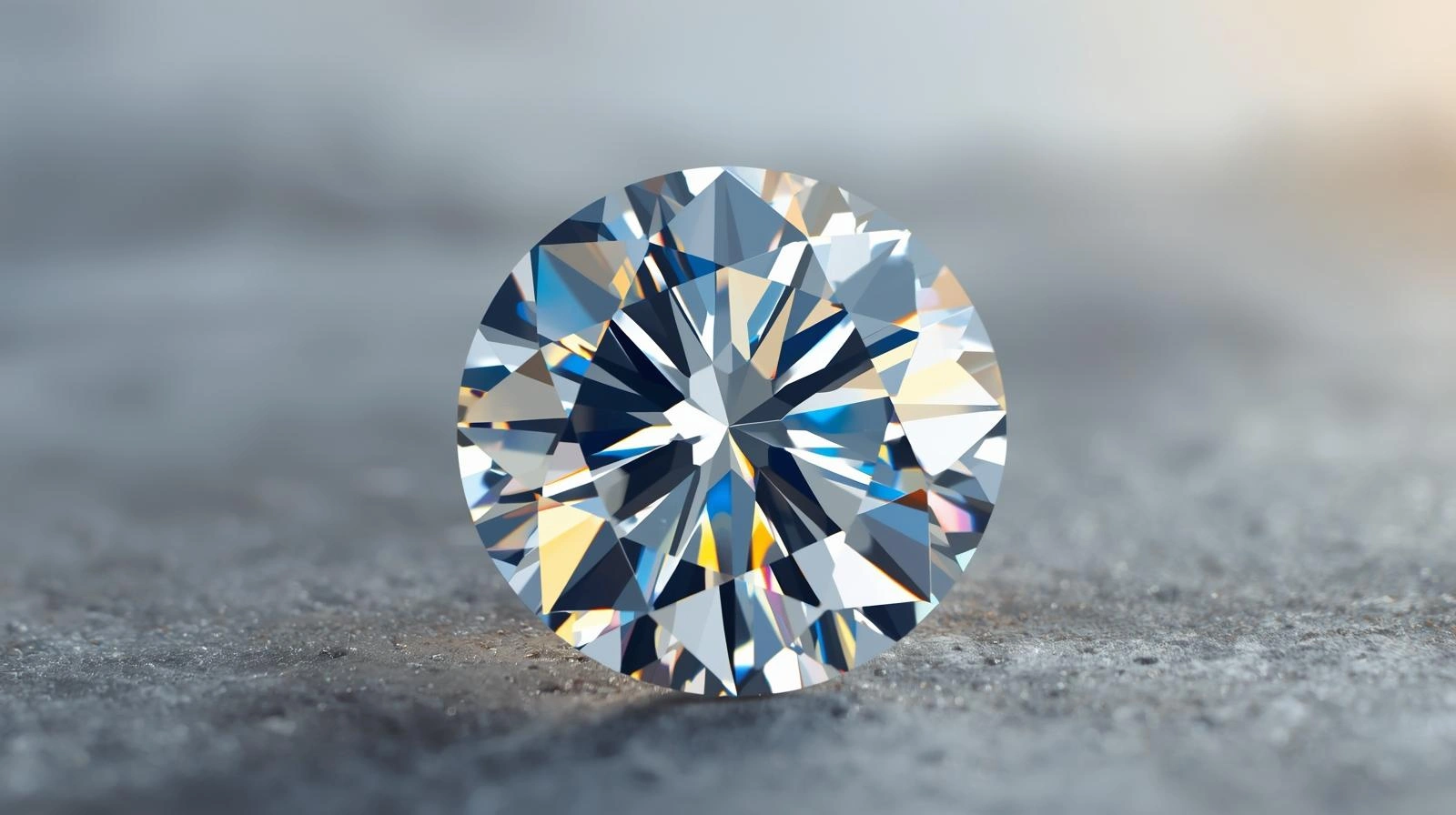
When light enters a diamond, it reflects and refracts through internal facets. Some best diamond color reflects the light .A diamond with minimal body color allows light to return to the eye with a brighter, whiter appearance. Diamonds with stronger yellow or brown undertones may absorb certain wavelengths of light, slightly softening the brilliance.
However, perception is influenced by:
- Lighting conditions
- Diamond shape
- Cut quality
- Metal setting
- Surrounding stones
A well-cut G or H diamond, viewed in natural lighting and set thoughtfully, can appear extremely white to most observers.
This is why focusing only on the highest grade may not always align with practical value.
Market Pricing and Volatility: What Buyers Should Know
Diamond pricing are influenced by rarity, demand cycles, and global supply conditions. Colorless diamonds (D–F) are rarer in nature. This rarity contributes to their higher pricing and consistent market demand.Chossing diamond color are very impressived by the buyer.
However, economic cycles affect purchasing behavior. During periods of financial uncertainty, many buyers shift toward near-colorless grades such as G or H. These stones offer strong visual performance at more accessible pricing.
Market Insight (Current Trend)
- Premium D–F grades maintain stable high-end demand.
- G–H diamonds remain popular among practical buyers.
- Mid-range diamonds often experience more stable pricing than top-tier rarity stones.
- Seasonal engagement cycles can temporarily increase demand for certain grades.
Understanding volatility helps prevent emotional overpayment. A best diamond color purchase is meaningful, but it should also feel financially comfortable.
Choosing Based on Purpose: Engagement, Gifting, or Legacy
Context matters.
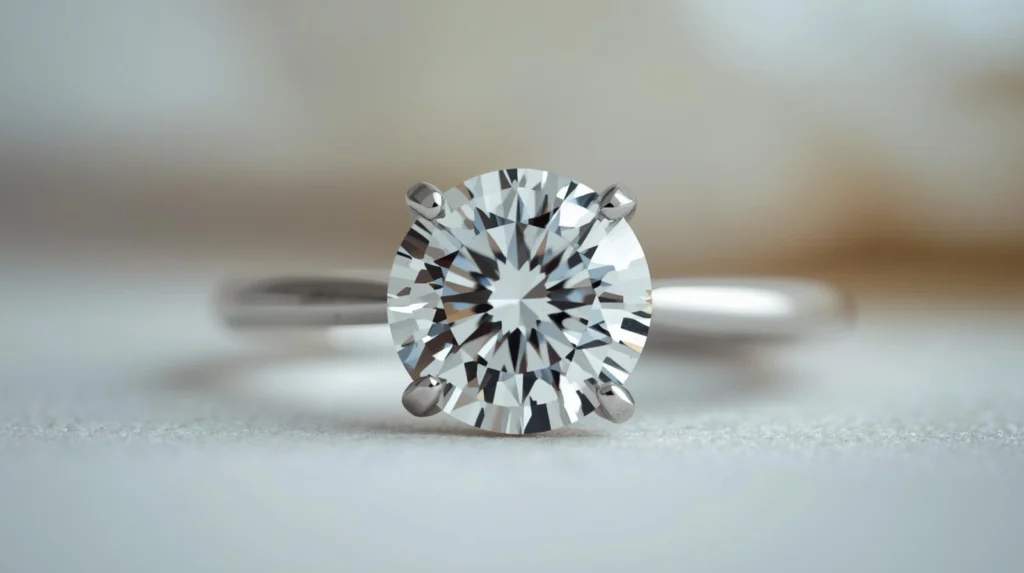
An engagement ring worn daily may require different priorities than a pendant worn occasionally. A ring intended as a future heirloom may emphasize durability and timelessness over trend-driven decisions.Some diamonds color are present in the engagement rings.
For example:
- A young couple planning a proposal may prioritize size and sparkle within a defined budget.
- A milestone anniversary gift may focus more on symbolic perfection.
- A family heirloom piece may value structural integrity and classic design above subtle grading differences.
When jewelry becomes part of a family narrative, its emotional value grows over time. A slightly lower grade that allowed financial stability at the beginning of a marriage can later represent shared wisdom and partnership.
These perspectives matter as much as laboratory letters.
The Relationship Between Cut and Color
One of the most common mistakes buyers make is overemphasizing color while underestimating cut quality.
Cut determines how effectively a diamond handles light. A well-proportioned diamond can maximize brilliance and minimize visible warmth. Conversely, a poorly cut D-grade diamond may appear less impressive than a well-cut G-grade stone.
If sparkle are your priority, cut quality deserves careful attention.
This balanced understanding protects buyers from overspending on grade differences that may not significantly impact real-world appearance.
Shape and Setting Influence Perception
Different shapes display color differently.
- Round brilliant diamonds tend to reflect light intensely, which can make subtle color slightly more noticeable in comparison to certain elongated shapes.
- Emerald cuts, with their open facets, can reveal tint more clearly.
- Cushion and oval shapes may distribute light in ways that soften warmth.
Metal choice also matters:
- Yellow gold can complement slight warmth, blending the tint harmoniously.
- White gold or platinum may emphasize contrast, making color differences more apparent.
This interplay between stone and setting provides practical flexibility for budget-conscious buyers.
Avoiding Common Misconceptions
Misconception 1: Only D-Grade Diamonds Are Worth Buying
While D-grade stones are exceptional, most people cannot visually distinguish them from near-colorless grades without controlled comparison. Paying a premium may not always align with your priorities.
Misconception 2: Color Is More Important Than All Other Factors
Color is one component of the 4Cs (Cut, Color, Clarity, Carat). Balanced evaluation ensures better long-term satisfaction.
Misconception 3: Lower Grades Always Look Yellow
Diamonds graded G–J often appear white in everyday conditions, especially when thoughtfully set.
Rational buying reduces regret.
Financial Awareness and Long-Term Perspective
Diamonds is both emotional and financial purchases. While not all buyers view them as investments, price stability and resale perception still matter.
Historically:
- Colorless diamonds retain prestige recognition.
- Near-colorless grades maintain broader accessibility.
- Extreme low-grade stones may have narrower resale interest.
This does not mean you should buy solely for resale. It means awareness strengthens confidence.
If you are planning to pass jewelry to future generations, timeless design and structural quality often outweigh marginal grading upgrades.
A Human Story Behind the Decision
Imagine a couple preparing for engagement. Diamon and stone both are different .They compare a D-grade diamond and a G-grade stone side by side. Under store lighting, the difference is visible. Under normal indoor lighting, the distinction becomes subtle.
They choose the G-grade diamond, allocating savings toward a higher-quality setting and future travel together. Years later, the ring symbolizes thoughtful partnership rather than financial strain.
This story is not uncommon. It reflects balance.
When Higher Grades Make Sense
There are situations where premium grades may align well:
- Collectors building high-value portfolios.
- Buyers seeking rare specifications.
- Individuals who prefer psychological assurance of the highest grading tier.
- Pieces intended for long-term vault storage rather than daily wear.
The key are intention. Purpose should guide grade selection—not marketing pressure.
The Emotional Layer of Jewelry
Diamonds often mark beginnings—engagements, anniversaries, personal milestones. They sometimes mark continuity, passed from parent to child.
In those moments, what matters most?
Perfection on paper?
Or meaning over time?
Clear understanding reduces anxiety and strengthens joy.
Conclusion
Grading systems exist to create clarity, not confusion. When understood calmly, they empower buyers rather than overwhelm them.
The concept of Diamond Color becomes less intimidating when viewed in context. Slight differences between grades often carry more financial weight than visual impact. Historical grading systems, market demand cycles, and personal intention all influence the right choice for each individual.Diamonds color are less value to other diamonds variety.
Before making a final decision, review laboratory reports carefully. Compare stones under consistent lighting. Reflect on your budget boundaries and long-term plans.
Thoughtful decisions age well.
If you are evaluating options, consider discussing specifications with a trusted professional before final approval. Careful review ensures both emotional and financial comfort.
FAQs:
1. Can most people see the difference between D and G diamond color grades?
In normal viewing conditions, many people cannot easily notice subtle differences between higher diamond color grades without side-by-side comparison under professional lighting.
2. Does market demand affect best diamond color pricing?
Yes. Market demand can significantly influence best diamond color pricing. Colorless grades often carry higher premiums, especially during peak engagement seasons or periods of strong economic stability.
3. Is near-colorless diamond color a safe choice?
For many buyers, near-colorless diamond color grades offer excellent visual appeal while maintaining more balanced pricing, making them a popular and practical option.
4. Should I prioritize diamond color over other quality factors?
While diamond color plays an important role in appearance, buyers often balance it with other factors like cut and clarity to achieve the best overall beauty and value.
5. Does metal setting affect how diamond cut and color appear?
Yes. Metal choice can influence how diamond color is perceived. Yellow gold may soften warmer tones, while platinum or white gold can highlight subtle color variations.