In the world of luxury jewelry, diamonds have always held a special place. But in recent years, there’s been a shift in consumer preferences. With growing concerns over environmental sustainability and ethical sourcing, the demand for sustainable diamonds has surged. But are these diamonds just a passing trend, or are they truly the future of the diamond industry?
For example, in 2023 alone, 5.5 million carats of sustainably sourced diamonds were sold globally, a 30% increase from the previous year. This speaks volumes about how consumers are prioritizing eco-friendly choices. But how can you, as a modern buyer, navigate this new world of sustainable diamonds without getting overwhelmed by all the options?
In this article, we’ll break down everything you need to know about sustainable diamonds—from the process of ethical sourcing to understanding the different types of sustainable diamonds, and why they matter to you as a buyer.
Why Should You Care About Sustainable Diamonds?
Sustainable diamonds are gaining traction not only because they’re better for the planet, but also because they offer a more ethical choice for conscious consumers. Traditional diamond mining is associated with severe environmental degradation, human rights abuses, and unsustainable practices. With ethical diamond sourcing, you are making a conscious decision to protect the environment and ensure fair labor practices.
But don’t mistake this shift for a mere trend. Industry leaders like De Beers and Alrosa have already embraced sustainable practices, making these diamonds mainstream rather than niche. Plus, many companies now offer eco-friendly engagement rings to appeal to buyers who care about the impact of their choices.
In the next sections, we’ll explore the factors driving this transformation and the most popular types of sustainable diamonds you’ll find today.
What Are Sustainable Diamonds?
Lab-Grown vs. Mined: What’s the Difference?
The term “sustainable diamond” can be confusing because it encompasses lab-grown and ethically mined diamonds. Let’s take a closer look at both:
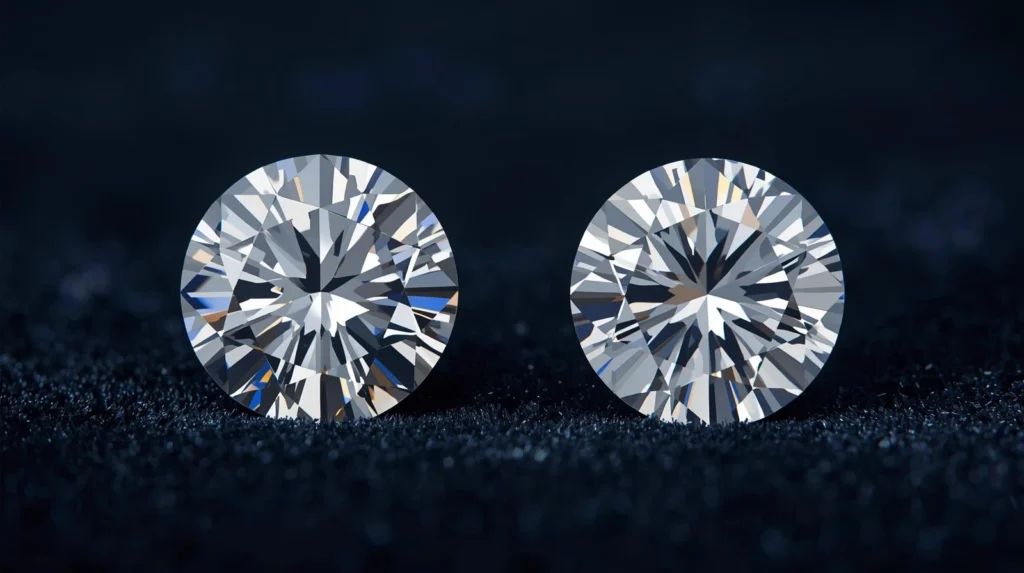
- Lab-grown diamonds are created in a controlled environment using high-pressure, high-temperature technology or chemical vapor deposition (CVD). These diamonds are identical to mined diamonds in terms of physical appearance, chemical structure, and hardness.
- Ethically mined diamonds, on the other hand, are sourced from mines that adhere to sustainable practices. These include responsible water use, energy conservation, and ensuring fair wages for miners.
Why Lab-Grown Diamonds Are the Eco-Friendly Choice
Lab-grown diamonds have become a popular choice for eco-conscious buyers. According to the International Diamond Exchange, these diamonds typically have a 90% smaller carbon footprint compared to their mined counterparts. This is because lab-grown diamonds require far less energy and avoid harmful mining practices like open-pit mining.
Pro Tip: If you’re focused on reducing your carbon footprint, lab-grown diamonds are a great option, as they use sustainable technology to mimic the conditions under which natural diamonds form.
The Rise of Ethical Mining
Even traditional diamond mining companies are jumping on the sustainability bandwagon. Some of the world’s largest diamond mining operations have committed to ethical sourcing by obtaining certifications like the Kimberley Process and supporting local communities. These companies prioritize environmental protection, human rights, and economic growth for local miners.
Case Study: One such example is De Beers’ “Building Forever” initiative, which focuses on reducing their carbon footprint and supporting local communities in Africa. Through their commitment to ethical sourcing, they’ve become a leader in promoting sustainable diamonds.
How Are Sustainable Diamonds Mined?
The Kimberley Process: A Step Towards Sustainability
The Kimberley Process Certification Scheme (KPCS) was established in 2003 to prevent the trade of conflict diamonds, which were often mined in war zones and used to fund violence. While this is a critical step in the right direction, there’s still much work to be done in terms of ensuring ethical labor practices and reducing the environmental impact of mining operations.
Pro Tip: Look for diamonds that come with the Kimberley Process certification, which ensures that they’ve been sourced ethically. However, remember that this certification only guarantees conflict-free diamonds, not necessarily sustainable mining practices.
The Role of Technology in Ethical Mining
New mining technologies, such as hydraulic mining and underground mining, are making diamond extraction more sustainable by reducing the environmental damage caused by traditional surface mining. These methods focus on minimizing land disruption, preserving ecosystems, and reducing water and energy consumption.
Expert Insight: Companies like LUCARA Diamond have been using advanced technology to improve mining efficiency and environmental sustainability. They’ve made significant strides in reducing their carbon footprint and water usage, setting a positive example for the industry.
Your Dream Jewelry, Designed Just for You!
Custom engagement rings, luxury colored gemstones, and diamond creations—crafted in Las Vegas by expert designers with 30+ years of experience. Call us now to make your vision a reality!
(702) 773-1747Why Are Sustainable Diamonds More Expensive?
Sustainable diamonds—whether lab-grown or ethically sourced—can sometimes come with a premium price tag. Why is this the case?
- Higher production costs: Lab-grown diamonds often require specialized equipment and energy, which can make them more expensive to produce.
- Ethical practices cost more: Ethical mining practices and fair wages for workers come at a cost. Sustainable companies tend to invest more in the welfare of their employees, which drives up the price of the diamonds.
Pro Tip: If budget is a concern, consider purchasing a smaller carat size or opting for a lab-grown diamond to get the best balance of sustainability and cost.
How Can You Find Ethical and Sustainable Diamonds?
Look for Certifications
When shopping for a sustainable diamond, always check for certifications. Some of the most reputable ones include:
- The Kimberley Process
- Fairmined Certification
- Responsible Jewellery Council (RJC) Certification
These certifications ensure that the diamonds have been sourced ethically and sustainably.
Shop from Brands Committed to Sustainability
Several brands have taken the lead in offering sustainable diamonds and eco-friendly engagement rings. Some notable names include:
- Brilliant Earth
- Vrai
- Pure Grown Diamonds
These brands prioritize sustainable sourcing, ethical labor practices, and environmental responsibility.
Case Study: Brilliant Earth, a well-known brand in the sustainable diamond market, offers a broad range of eco-friendly engagement rings with a focus on conflict-free diamonds. They provide full transparency regarding the sourcing and production of each diamond.
Conclusion: Should You Buy a Sustainable Diamond in 2026?
As consumers become more eco-conscious and demand transparency from the companies they buy from, sustainable diamonds are poised to become the standard in the jewelry industry. Whether you choose a lab-grown diamond or a ethically mined diamond, you’re making a purchase that not only supports your personal values but also contributes to a healthier planet and fairer labor practices.
If you’re considering a sustainable engagement ring or eco-friendly diamond, make sure to do your research, ask the right questions, and prioritize companies that align with your values.
What Our Clients Are Saying
At DiamondNColors, we take pride in delivering exceptional service and exquisite jewelry. From diamond rings, engagement rings, and bracelets to gemstone pieces and more, our clients’ experiences speak for themselves. Explore our genuine testimonials to see how we bring elegance and quality to every piece, and share your own feedback here.
FAQ Section
Q1: Are lab-grown diamonds real diamonds?
Yes, lab-grown diamonds are chemically identical to mined diamonds, with the same physical properties and appearance.
Q2: How can I tell if a diamond is ethically sourced?
Look for certifications like the Kimberley Process, Fairmined, or RJC to ensure ethical sourcing.
Q3: Are lab-grown diamonds cheaper than mined diamonds?
Yes, lab-grown diamonds tend to be more affordable due to lower production costs and fewer environmental impacts.
Q4: Why should I buy a sustainable diamond?
Buying a sustainable diamond supports environmental protection, human rights, and ethical practices in the jewelry industry.
Q5: What are the benefits of buying an eco-friendly engagement ring?
Eco-friendly engagement rings are sourced sustainably, minimizing environmental impact, and often come with certifications ensuring ethical practices.