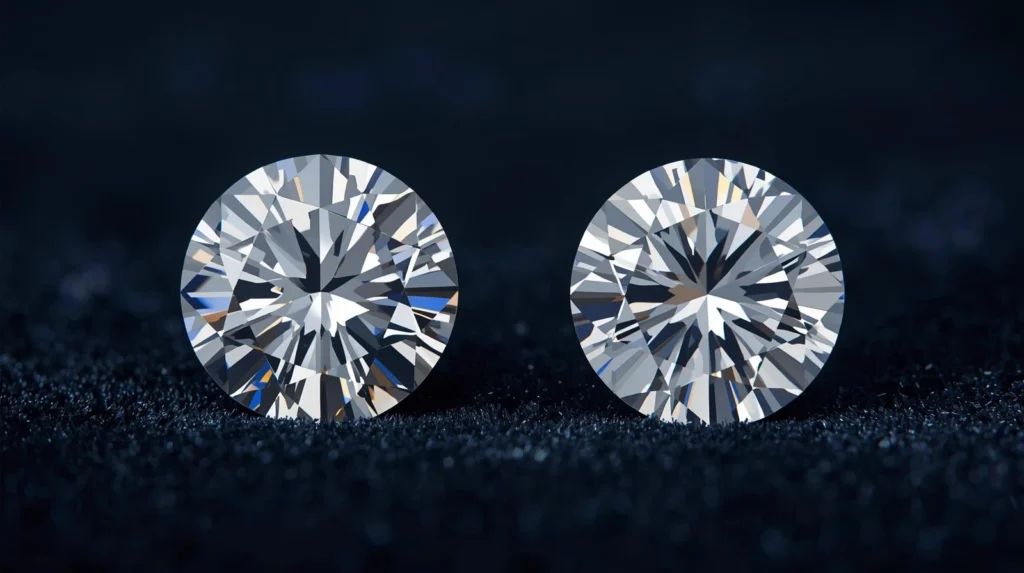
Diamonds have long been celebrated for their beauty, rarity, and seemingly indestructible nature. From the sparkle of an engagement ring to the brilliance of a family heirloom passed down through generations, diamonds carry a magic unlike any other gemstone. Many buyers, however, believe that diamonds are completely invincible because they are the hardest natural substance on Earth. This common misconception often leads to overconfidence in wearing or handling a diamond without proper care.
The reality is more nuanced. Diamonds chip are incredibly hard, yes—but hardness and toughness are not the same. A diamond’s crystal structure, which gives it its renowned brilliance, also makes it vulnerable to chipping or cracking under certain conditions. Understanding this distinction is essential for anyone investing in a diamond, whether it’s for a wedding, a personal collection, or a legacy piece intended to be passed through generations. In this guide, we’ll break down the science, myths, and practical insights surrounding diamond durability so you can make informed decisions and protect your investment.
Your Dream Jewelry, Designed Just for You!
Custom engagement rings, luxury colored gemstones, and diamond creations—crafted in Las Vegas by expert designers with 30+ years of experience. Call us now to make your vision a reality!
(702) 773-1747The Science Behind Diamond Hardness and Durability
Diamonds rank a 10 on the Mohs scale of hardness, meaning they resist scratches better than any other gemstone. However, hardness measures a stone’s ability to resist surface abrasion, not its ability to withstand impact or breakage. The toughness of a diamond—the resistance to chipping or cracking—is determined by how its carbon atoms is arranged.
Diamonds are made of carbon atoms bonded in a crystalline lattice structure, which is what gives them their signature brilliance. But this lattice has natural planes of weakness, known as cleavage planes. When a diamond is struck along these planes, even a small impact can create a chip or crack.
Example: A customer once accidentally dropped their engagement ring on the bathroom floor without incident. Later, while playing with a toddler, the child tossed a small ball that struck the diamond at a sharp angle, resulting in a tiny chip at the corner. This illustrates how certain types of force can affect even a high-quality diamond.Diamond quality depends on its worth.
Pro Tip: Always handle diamonds carefully, particularly during activities that might expose them to sharp impacts or heavy objects.
What Causes Diamonds Chip?
While diamonds are durable, they are not immune to damage. Several factors can make a diamond more susceptible to chipping:
1. Sharp Impacts
Dropping a diamond, striking it with a tool, or hitting it against a hard surface can cause chips, especially if the force lands on a vulnerable edge or corner.
2. Setting Vulnerabilities
The type of setting plays a role in protecting the stone. Prong settings, especially those with exposed corners like princess or marquise cuts, are more prone to damage compared to protective bezel settings that encircle the diamond.
3. Environmental Stress
Extreme temperature changes or sudden heat/cold exposure can weaken a diamond’s structural integrity, increasing the likelihood of cracking.
4. Internal Flaws or Inclusions
Even certified diamonds can have inclusions near corners or edges, making them more vulnerable. Slight imperfections, while often invisible to the naked eye, can become starting points for chips if struck.
Real-World Example: A jeweler shared a story about a diamond engagement ring with a minor inclusion near the edge. The diamond was otherwise flawless and certified, but when the ring accidentally struck a countertop, the stone chipped at the corner.
Pro Tip: Inspect your diamond carefully for inclusions and choose settings that protect vulnerable areas.
Are Diamonds More Likely to Chip Than Other Gemstones?
Diamonds are the hardest natural gemstone, but toughness differs from hardness. Certified diamonds have a great worth. Gemstones like sapphires and rubies, rated 9 on the Mohs scale, are slightly softer but often tougher due to their crystal structure. This means that while diamonds resist scratches exceptionally well, they can be more brittle under certain types of impacts compared to other gemstones.
Expert Insight: For daily-wear jewelry, buyers who value both durability and toughness might consider sapphires or rubies. They may not be as “forever” as diamonds in marketing, but they withstand daily impacts more effectively in practical scenarios.
Can Diamond Engagement Rings Chip?
Yes. Engagement rings are particularly vulnerable because the diamonds they feature often have sharp corners or pointed edges. Frequent exposure to rough conditions—gardening, sports, or manual labor—can increase the risk of chips or cracks.
Example: A princess-cut diamond in a client’s engagement ring chipped during routine gardening. The sharp corners were exposed, and repeated minor impacts caused damage over time.
Pro Tip: Choose rounded shapes like round brilliant cuts for daily-wear rings. Their lack of exposed sharp corners reduces the risk of chipping while maintaining sparkle.
Protecting Your Diamond From Damage
While diamonds cannot be made completely chip-proof, there are several ways to protect them:
1. Avoid Physical Impacts
Remove your diamond jewelry during sports, heavy lifting, or activities that might involve hard surfaces.
2. Protective Settings
Bezel, halo, or tension settings can provide extra security by shielding vulnerable edges and corners.
3. Regular Inspections
Have your diamond checked periodically by a professional jeweler. Early detection of weakened prongs or small chips can prevent further damage.
4. Proper Storage
Store diamonds separately in soft cloth or compartments to avoid accidental knocks with other jewelry.
Pro Tip: Even high-quality, certified diamonds benefit from practical precautions to maintain their beauty and value.
Can Diamonds Crack Under Pressure?
Yes, extrem pressure can affect the diamond crack or cut. While this is rare in everyday wear, it is possible under industrial conditions or severe accidents.
Pro Tip: For everyday jewelry, normal activities don’t apply enough pressure to crack a diamond. However, it’s wise to remove rings before heavy labor, machinery use, or other high-risk tasks.
Debunking Diamond Durability Myths
Myth 1: “Diamonds never chip or crack.”
Reality: Diamonds can chip or crack if struck along a cleavage plane with sufficient force.
Myth 2: “All diamonds are equally durable.”
Reality: Inclusions, flaws, and sharp-edged cuts influence a diamond’s susceptibility to damage.
Myth 3: “Diamonds are unbreakable.”
Reality: Diamonds is extremely hard but brittle under specific conditions. Understanding their limits ensures better care.
Historical Context: Diamonds and “Forever”
The concept of diamonds being “forever” emerged in the 20th century as part of marketing campaigns, but also coincides with advances in gemology. Institutions like the Gemological Institute of America (GIA) established rigorous standards for cut, clarity, and hardness, creating transparency for buyers. While diamonds are durable and long-lasting, awareness of their structural limitations—especially regarding chips and cracks—enhances responsible ownership and ensures longevity.
Market Insight: Durability and Value
Diamond durability impacts resale and investment potential. A well-cut diamond with minimal inclusions not only sparkles beautifully but also maintains its value. A good shaped diamonds are looked decent in the market. Conversely, a chipped or poorly set diamond may lose both aesthetic appeal and market price. Buyers who understand diamond chip risks can make smarter investments: selecting cuts, shapes, and settings that balance beauty with long-term durability.
Example: During periods of economic fluctuation, buyers often opt for slightly tinted diamonds with excellent cut and rounded edges. These stones offer optimal sparkle and durability without excessive cost.
Human-Interest Stories: Sparkle and Legacy
Consider a father purchasing an engagement ring for his daughter. While carat size may impress, the brilliance, fire, and durability of the diamond create the true emotional impact. A slightly smaller, well-cut stone can shine more intensely than a larger, poorly cut diamond, making it memorable and meaningful.
Similarly, when passing diamonds as family heirlooms, protecting corners, maintaining clarity, and monitoring chips ensures the stone continues to dazzle across generations. Durability, therefore, are not only a practical concern but also part of preserving emotional and historical value.
Conclusion: Protecting Your Diamond for Lifelong Beauty
Diamonds chip are exceptional in hardness and brilliance, but they are not indestructible.Diamonds protection are a important when they are cracked and its worth are less. Understanding the difference between hardness and toughness, recognizing the role of cleavage planes, and learning how to protect your diamond from impacts are key to long-term enjoyment and preservation. By choosing appropriate settings, being mindful of activities, and regularly inspecting the stone, you can significantly reduce the risk of chips or cracks.
Whether buying an engagement ring, a personal investment, or a family heirloom, knowing that diamonds can chip or crack empowers you to make informed, confident decisions. Incorporating this knowledge alongside market insights, historical context, and practical care ensures that your diamond remains not only dazzling in appearance but also secure in value and sentimental significance for years to come.
FAQS
1. Can diamonds chip or crack if dropped?
Yes, diamonds can chip if dropped on a hard surface, especially along the natural cleavage planes. Even though they’re extremely hard, a sharp impact can cause a chip or crack.
2. What is the most durable diamond shape to prevent chips?
Round diamonds are considered the safest against chips because their rounded edges distribute force better. Shapes with sharp corners, like princess or emerald cuts, are more prone to diamonds chip incidents.
3. Are diamonds completely unbreakable?
No. While diamonds are very hard, they are not indestructible. Sudden force or pressure in certain directions can cause cracks or make diamonds chip.
4. How can I tell if my diamond has chipped?
A professional jeweler can inspect your diamonds chips or cracks. Small chips may be invisible to the naked eye, but early detection prevents further damage.
5. What is the best setting to protect a diamond from chipping?
Bezel settings are ideal because they encircle the diamond and protect against impacts. Choosing the right setting can greatly reduce the risk of diamonds chip during everyday wear.
6. Can diamonds chip from normal wear?
While rare, diamonds chip from regular use, especially if they have sharp corners or internal flaws. Handling and setting choice also influence durability.
7. How can a chipped diamond be repaired?
Minor chips can often be polished or reshaped by a jeweler. In severe cases, recutting may be necessary to restore the diamond and prevent further diamonds chip issues.